
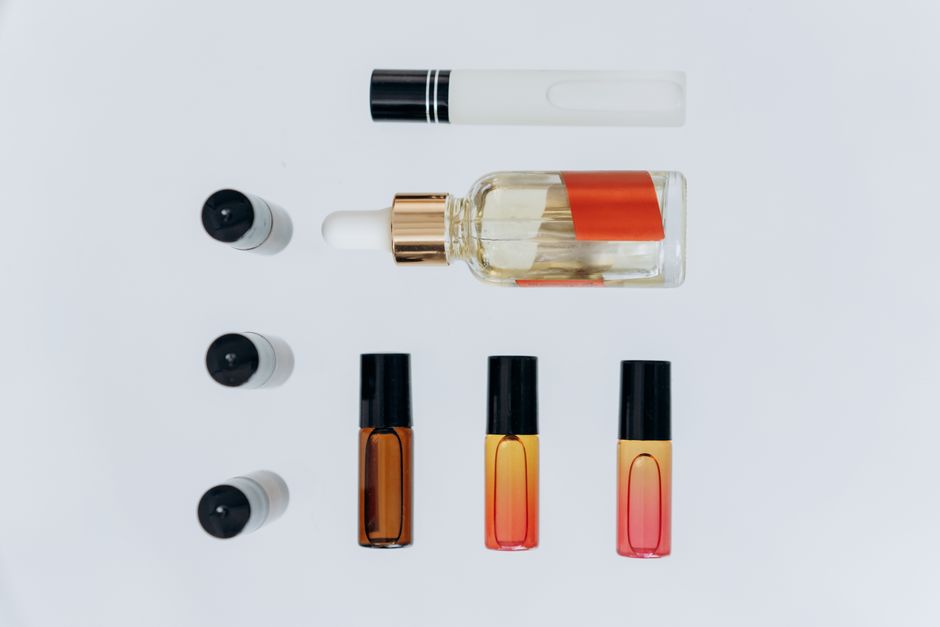
Making cologne at home comes down to three things: a base alcohol, essential oils, and water. You mix them in a specific ratio, let the blend sit for a couple of weeks, and store it in a small dark bottle. That is the whole process. The details below explain each step and where the common mistakes happen.
What separates a homemade cologne that lasts from one that fades in ten minutes is mostly the ratio of oil to alcohol, and how long you let the mixture rest before using it. Get those two things right and the rest is experimentation with scent.
What Supplies Do You Need To Make Cologne At Home?
The supply list is short. You need a high-proof alcohol, essential oils, distilled water, small dark glass bottles, and a way to measure small volumes. That last item matters more than people expect.
For the alcohol, the standard choice is a clear, high-proof spirit. Perfumers have traditionally used ethanol at roughly 190 proof or higher. Vodka sold at 80 proof contains too much water to dissolve oils well and is a poor substitute. Some people use everclear-type grain alcohol. Others buy perfumer’s alcohol, which is ethanol that has been treated to remove the bitter taste that denatured alcohol carries.
Do not use isopropyl (rubbing) alcohol. It is toxic when absorbed through skin in sufficient amounts and is not made for cosmetic use. This is not a gray area.
For bottles, amber or cobalt glass protects oils from light, which degrades them over time. A small funnel helps. So does a glass dropper or a set of pipettes for measuring oils by the drop.
For water, use distilled. Tap water carries minerals and sometimes microbes that can cloud a blend or shorten its shelf life.
What Is The Correct Ratio Of Essential Oils To Alcohol?
A workable starting point for a cologne-strength spray is roughly 15 to 20 percent essential oil by volume, with the rest split between alcohol and a small amount of distilled water. That puts it in the same general concentration range as many commercial eau de toilette products, which typically run somewhere between 5 and 15 percent aromatic compounds. Cologne is usually lighter still.
That range is a guideline, not a rule. Perfumery concentrations are not regulated the way drug doses are, and different sources give different numbers. What matters more is that you start lower than you think you need. You can always add oil. You cannot remove it.
A simple approach for a first batch:
- About 2 tablespoons (30 mL) of high-proof alcohol
- Roughly 40 to 60 drops of essential oil total, or about 2 to 3 mL
- About 1 teaspoon (5 mL) of distilled water
That yields a small bottle, which is the right size for a first attempt. Scale up once you know the scent works for you.
One thing worth knowing: essential oils are not fragrance oils. Fragrance oils are synthetic and designed to smell strong and last. Essential oils are plant extracts, and many of them fade faster on skin. Some, like patchouli or sandalwood, hold well. Others, like most citrus oils, disappear quickly. That is a property of the material, not a flaw in your method.
How Do You Actually Mix The Cologne?
Order of mixing affects how well the oils dissolve. Add the essential oils to the alcohol first, not the other way around.
Put your essential oil blend into the glass bottle. Pour the alcohol in on top. Cap it and swirl gently, or roll it between your palms. Do not shake hard. Shaking introduces air and can make the blend cloudy.
Let that sit for a day or two. This gives the alcohol time to fully dissolve the oils. Then add the distilled water and swirl again.
Adding water last matters. Oil and water do not mix without help, and alcohol is what bridges them. If you add water too early or too much, the oils can separate and float. A small amount of water softens the sharpness of straight alcohol on skin. Too much and the blend turns cloudy or splits.
If your blend does go cloudy, that is usually a sign of too much water or too much oil for the alcohol to hold. It is not dangerous, but it will not spray evenly.




Why Does Homemade Cologne Need To Sit Before You Use It?
Freshly mixed cologne smells sharp and disjointed. The individual oils sit on top of each other instead of blending. Time changes that.
The resting period, sometimes called maceration or aging, lets the oils interact with the alcohol and with each other. Chemical reactions between the components continue slowly. The sharp alcohol edge softens. The scent becomes rounder and more unified.
Two to four weeks is a common recommendation. Some perfumers wait longer, sometimes months, for complex blends. There is no fixed rule, and the difference is a matter of degree rather than a clear threshold. A blend used after three days will smell different from the same blend after four weeks. Whether that difference matters to you is a personal call.
Store the bottle in a cool, dark place while it rests. Light and heat both speed up the breakdown of volatile compounds.
How Should You Blend Scents So The Cologne Smells Good?
Scent blending follows a rough structure that perfumers call top, middle, and base notes. Understanding it prevents the most common beginner mistake, which is combining several oils that all smell strong on their own and getting a muddled result.
Top notes are the first thing you smell. They are light and evaporate fast. Citrus oils, mint, and many floral oils sit here.
Middle notes appear as the top fades. They form the heart of the scent. Lavender, rosemary, and geranium are common examples.
Base notes last longest and anchor the blend. Sandalwood, cedarwood, patchouli, and vetiver are typical base oils.
A simple formula is to use more of the base than the top. Base notes are heavier and less piercing, so they can carry a larger share without overwhelming. A common starting structure is roughly half base, a third middle, and the rest top, though this is a convention rather than a rule.
Keep your first blends to three or four oils. More than that and it becomes hard to tell what is doing what. Write down what you used and how much. Without notes, you cannot repeat a blend you like.
Is Homemade Cologne Safe To Use On Skin?
Essential oils are concentrated plant compounds, and some cause skin reactions. This is not a rare edge case. Certain oils, including citrus oils and a number of floral extracts, are well documented as skin sensitizers. That means repeated exposure can trigger an allergic reaction that did not appear the first time.
Before using any new blend, test it on a small patch of skin. Apply a drop to the inner forearm and wait 24 hours. If redness, itching, or swelling appears, do not use it.
Some oils should not be used on skin at all without professional guidance. Others are not safe during pregnancy. If you are pregnant, breastfeeding, or making cologne for a child, check with a qualified healthcare provider before using any essential oil. No general guideline covers every oil and every situation, and this is one area where individual medical advice matters more than a general article.
Never apply undiluted essential oils directly to skin. Never ingest them. Keep the finished cologne away from your eyes and out of reach of children and pets. Some essential oils are toxic to cats and dogs even in small amounts.
Also worth stating plainly: homemade cologne is not a substitute for insect repellent, sunscreen, or any product with a regulated function. Do not use it as one.
How Long Does Homemade Cologne Last?
Expect a few months to about a year for most blends, stored properly in a dark bottle away from heat. Citrus-heavy blends tend to fade faster than blends built on resins and woods.
On skin, longevity depends heavily on the oils used and on your own skin chemistry. Some people hold scent longer than others. Oils high in base notes last hours. Citrus top notes may be gone within an hour. This is normal and not a sign that you did something wrong.
Signs a batch has turned include a changed or sour smell, visible separation, or a sticky residue. If any of those appear, throw it out and start fresh.
Frequently Asked Questions
Can I use vodka to make cologne at home?
Standard 80-proof vodka contains too much water to dissolve essential oils well, so blends often turn out weak or cloudy. A high-proof spirit around 190 proof works far better.
How many drops of essential oil should I put in cologne?
For a small batch using about 30 mL of alcohol, roughly 40 to 60 drops total is a reasonable starting point. Start lower and add more, since you cannot remove oil once it is in.
How long should homemade cologne sit before use?
Two to four weeks is a common recommendation, and the scent generally becomes smoother over that time. There is no fixed threshold, so the difference is a matter of degree.
Is homemade essential oil cologne safe for skin?
Some essential oils are well-documented skin sensitizers, so a 24-hour patch test on your inner forearm before first use is essential. If you are pregnant, breastfeeding, or making it for a child, check with a healthcare provider first.
