
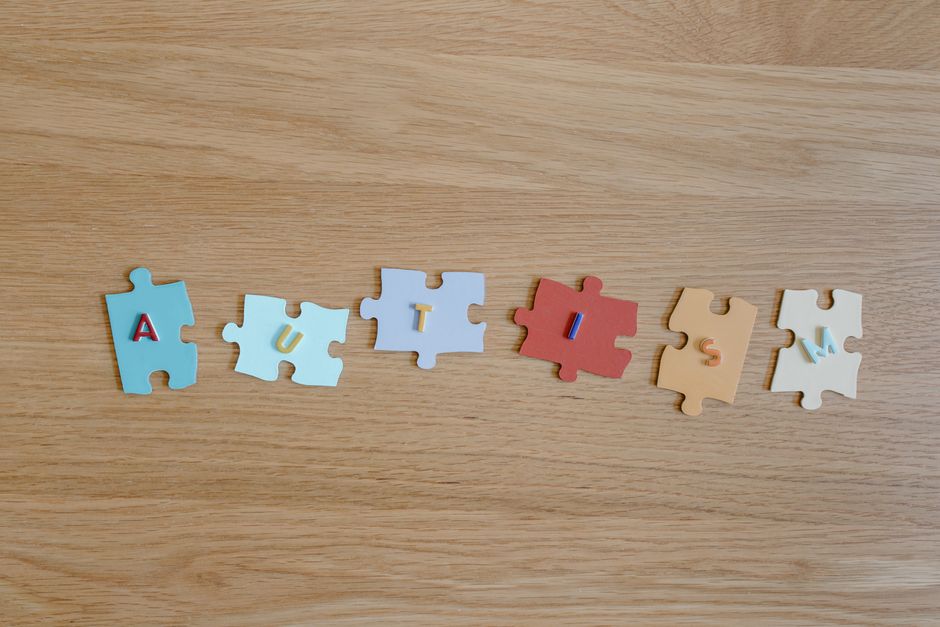
Every child with autism has a unique set of needs, but they all share a fundamental requirement: a structured, predictable environment where they feel safe and understood. The core needs of a child with autism include clear communication, consistent routines, sensory support, and specialized educational approaches. Beyond these, they need patience, acceptance, and a team of caregivers who recognize that their behaviors are a form of communication, not defiance.
What Are The Needs Of A Child With Autism in Daily Life?
Daily life can feel overwhelming for a child with autism. The world is often loud, bright, and unpredictable. Their primary need is for predictability. When a child knows what comes next, their anxiety drops and they can engage more fully.
Visual schedules are a common tool. A simple chart with pictures showing the steps of a morning routine—brush teeth, get dressed, eat breakfast—helps the child process information without relying on verbal instructions alone. This reduces the cognitive load of remembering sequences and transitions.
Transitions are the hardest part of the day for many children. Moving from a preferred activity to a non-preferred one, like leaving the playground to go inside, can trigger distress. Giving a five-minute warning and using a timer helps them prepare mentally for the change.
How Do Communication Needs Differ for Children with Autism?
Communication is a two-way street, and children with autism often need the adults around them to adapt first. Some children are verbal, while others use augmentative and alternative communication (AAC) devices, picture exchange systems, or sign language. The need is not for the child to fit a standard mold, but for others to meet them where they are.
Processing spoken language takes time. A child may need several extra seconds to understand a question and formulate a response. Rushing them or repeating the question louder does not help. Pausing and waiting is an evidence-based strategy that respects their processing speed.
Literal thinking is common. Idioms like “it’s raining cats and dogs” or sarcasm are confusing. Clear, concrete language works best. Instead of saying “get your shoes on,” a more effective approach is “put your shoes on now.” This removes ambiguity and sets a clear expectation.
Many children with autism also struggle with expressive language—finding the words to describe how they feel. This is why challenging behavior often emerges. If a child cannot say “this is too loud” or “I don’t understand,” they may cover their ears, cry, or run. Behavior is communication.
Why Is Sensory Processing a Core Need?
Up to 90% of children with autism experience atypical sensory processing. This is not a preference; it is a neurological difference. The brain receives sensory information and processes it differently than in neurotypical children.
A child might find fluorescent lights painfully bright. The hum of a refrigerator might be as distracting to them as a siren is to others. Certain fabric textures might feel like sandpaper against their skin. These reactions are involuntary and physically uncomfortable.
Conversely, some children are sensory-seeking. They crave deep pressure, spinning, or jumping. These activities help regulate their nervous system. A weighted blanket or a crash pad can provide the proprioceptive input their bodies need to feel calm and organized.
The need is for a sensory-friendly environment. This does not mean removing all stimulation, but rather offering choices. Dimming lights, providing noise-canceling headphones, and allowing movement breaks are practical accommodations that prevent sensory overload before it starts.





What Educational Supports Are Necessary?
Education for a child with autism must be individualized. An Individualized Education Program (IEP) is a legal document in the US that outlines specific goals and the supports required to meet them. This is not a luxury; it is a legal right under the Individuals with Disabilities Education Act (IDEA).
Many children with autism benefit from a structured teaching approach. This involves breaking tasks into small, manageable steps and teaching each step directly. Visual supports in the classroom, such as written instructions and labeled areas, are just as important as they are at home.
Social skills are a critical educational need, though they are not always taught in a traditional way. Direct instruction in recognizing emotions, taking turns, and understanding social cues helps children navigate peer interactions. Some children need explicit teaching for skills that other children learn intuitively.
Executive function support is another critical area. Many children with autism struggle with planning, organizing, and shifting attention. They may need help breaking down a large assignment into smaller pieces or understanding the concept of time. These skills are not about intelligence; they are about the brain’s ability to manage complex tasks.
How Do Social and Emotional Needs Manifest?
The social needs of a child with autism are often misunderstood. It is a myth that they do not want friends. Many children with autism crave connection deeply but struggle with the mechanics of social interaction. They need support in learning how to initiate play, read facial expressions, and manage the give-and-take of conversation.
Emotional regulation is a significant need. Children with autism often experience emotions intensely but have difficulty identifying and managing them. They may have meltdowns that look like tantrums but are actually a response to overwhelming stress or sensory input. The distinction matters. A tantrum has a goal, like getting a toy. A meltdown is a neurological response to overload; the child has lost control and needs help calming down, not discipline.
Anxiety is a common co-occurring condition. The world feels unpredictable, and social situations are confusing. Providing a safe space to decompress, teaching deep breathing, and validating their feelings are essential supports. The goal is not to change who they are, but to give them tools to cope with a world that often feels hostile to their senses.
What Role Do Routines and Predictability Play?
Routines are the scaffolding that holds a day together for a child with autism. When the environment is predictable, the brain can allocate energy to learning and interaction instead of constant vigilance. A consistent bedtime, mealtime, and morning routine reduce anxiety and improve sleep and eating habits.
This need for predictability extends to expectations. Rules should be consistent across settings. If a behavior is not allowed at school, it should not be allowed at home either. Mixed messages create confusion and increase anxiety.
It is important to note that routines should not be so rigid that the child cannot cope with any change. The goal is to gradually build flexibility. Introducing small, controlled changes to a routine helps the child develop resilience. But this must be done slowly and with warning, never abruptly.
How Can Families and Caregivers Meet These Needs?
Meeting the needs of a child with autism requires a team approach. Parents, teachers, and therapists must communicate regularly and work from the same playbook. Consistency across environments is one of the strongest predictors of progress.
Professional support often includes speech therapy, occupational therapy, and behavioral therapy. Applied Behavior Analysis (ABA) is the most widely researched behavioral intervention, though it is not without controversy regarding certain practices. Parents should research different approaches and choose what aligns with their child’s needs and their family’s values.
Self-care for caregivers is not selfish; it is a necessity. The stress of raising a child with high support needs is significant. Respite care, support groups, and counseling for parents are critical components of a healthy support system. A child cannot thrive if their caregivers are burned out.
Advocacy is also a need. Parents often become the primary advocates for their child’s rights in school and healthcare settings. Learning about the law, knowing how to request an evaluation, and understanding the IEP process are practical skills that make a tangible difference in outcomes.
Frequently Asked Questions
What is the most important need of a child with autism?
Predictability and structure are foundational needs. A consistent routine and clear expectations reduce anxiety and allow the child to engage more effectively with learning and social opportunities.
Do children with autism need special therapy?
Most children benefit from speech therapy and occupational therapy to address communication and sensory processing challenges. The specific type and intensity of therapy should be based on a formal evaluation of the child’s individual strengths and needs.
How do I calm down a child with autism during a meltdown?
Remove the source of overload and reduce sensory input by moving to a quiet space. Speak in a calm, low voice, and do not try to reason with the child until they have regulated; safety and comfort come first.
Can a child with autism live a normal life?
Many children with autism grow up to live fulfilling, independent lives, especially with early intervention and strong support systems. The definition of “normal” varies widely, and outcomes depend heavily on the child’s individual profile and the quality of support they receive.
