
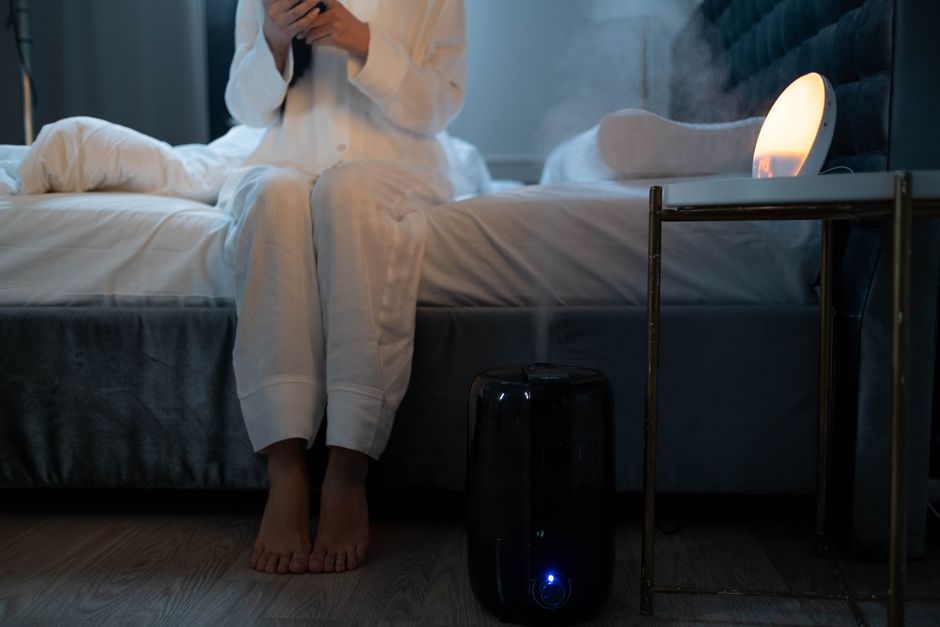
Using essential oils with a humidifier is possible, but only with the right device. Standard cool-mist and warm-mist humidifiers are not designed for oils. You need a diffuser or a humidifier with a built-in essential oil tray. Adding oils to a regular humidifier can damage the machine and release unsafe particles into the air.
What Is the Difference Between a Humidifier and a Diffuser?
A humidifier adds moisture to the air to raise humidity levels. It helps with dry skin, stuffy noses, and scratchy throats. A diffuser also adds moisture, but its main job is to spread essential oil scent throughout a room.
Most diffusers use ultrasonic technology. They create a fine mist from water and a few drops of oil. Humidifiers, especially evaporative models, use a wick or filter to release water vapor. Oil can clog that filter and ruin the machine.
Some humidifiers now come with a separate compartment for essential oils. These are safe to use with oils. If your humidifier does not have this feature, do not add oil to the water tank. You will void the warranty and may damage the device.
How To Use Humidifier With Essential Oils Safely
Check your humidifier manual first. If it says “essential oil ready” or has a dedicated oil tray, you can proceed. If not, stop here and consider buying a diffuser instead.
For humidifiers with an oil tray, follow these steps:
- Fill the water tank with clean, cool water.
- Add 3 to 5 drops of essential oil to the designated tray. Never add oil directly to the water tank.
- Place the tray in the humidifier as directed by the manual.
- Turn the humidifier on and adjust the mist output to your preference.
- Clean the tray after each use with mild soap and water.
The oil tray keeps the oil separate from the water. This prevents the oil from coating the internal parts of the humidifier. It also prevents the plastic water tank from degrading over time.
Which Essential Oils Are Safe To Use in a Humidifier?
Any essential oil that is safe for inhalation can be used in an oil-ready humidifier. Common choices include lavender for relaxation, eucalyptus for congestion, and peppermint for alertness. These are widely used and generally well tolerated when inhaled in small amounts.
Some oils are more irritating than others. Cinnamon, clove, and oregano oils are strong and can irritate the airways. Use them sparingly or avoid them entirely in a humidifier. If you have asthma or sensitive airways, talk to your doctor before using any essential oil in the air.
Always buy oils from a reputable brand. Look for oils labeled as pure essential oil without synthetic additives. The quality of essential oils is not strictly regulated, so product labels can be misleading. Some research suggests that lower-quality oils may contain contaminants that are unsafe to inhale.





How Many Drops of Essential Oil Should You Use?
For a humidifier with an oil tray, 3 to 5 drops is a reasonable starting point. This is based on general guidance from humidifier manufacturers and diffuser instructions. There is no official clinical guideline for essential oil dosing in the air.
Start with fewer drops and add more if the scent is too faint. The size of the room matters. A large living room may need more drops than a small bedroom. The strength of the oil also matters. Some oils have a stronger scent than others.
Do not exceed the amount recommended by your humidifier’s manual. Using too much oil can create a heavy scent that causes headaches or nausea. It can also leave a oily residue on furniture and floors near the humidifier.
Can You Put Essential Oils in a Cool Mist Humidifier?
Only if the cool mist humidifier has a designated oil tray. Most cool mist humidifiers do not have this feature. Adding oil to the water tank of a standard cool mist humidifier can damage the ultrasonic plate or the wick filter.
Evaporative cool mist humidifiers use a wick to absorb water and a fan to blow air through it. Oil will coat the wick and reduce its ability to absorb water. This makes the humidifier less effective and may cause the motor to work harder.
Ultrasonic cool mist humidifiers use a vibrating plate to create mist. Oil in the water can coat the plate and reduce mist output. The oil can also be released as tiny droplets that are inhaled deep into the lungs. This is not the same as inhaling the larger particles from a diffuser.
What Are the Risks of Using Essential Oils in a Humidifier?
The main risk is using the wrong device. Putting oil in a regular humidifier can release oil particles into the air that are too small to be filtered by the nose. These particles can reach the lungs and cause irritation.
Some people experience coughing, wheezing, or shortness of breath when inhaling essential oils. This is more common in people with asthma or chronic lung conditions. If you notice any breathing discomfort, turn off the humidifier immediately and ventilate the room.
Essential oils can also trigger allergic reactions. Skin rashes, sneezing, and watery eyes are possible. If you have a known allergy to a plant, check whether the essential oil comes from that plant. For example, people allergic to ragweed may react to chamomile oil.
Keep humidifiers with essential oils out of reach of children and pets. Some oils are toxic to cats and dogs when inhaled or ingested. Pets have a stronger sense of smell and may be more sensitive to strong scents.
How Often Should You Clean an Essential Oil Humidifier?
Clean the oil tray after every use. Oil residue builds up quickly and can become sticky. Use warm water and a few drops of dish soap. Rinse thoroughly and dry before the next use.
Clean the entire humidifier once a week. Empty the water tank and wipe down all surfaces. Use a mixture of water and white vinegar to remove mineral buildup. Rinse well before refilling.
Do not use bleach or harsh chemicals to clean a humidifier. These chemicals can leave residues that are released into the air. If your humidifier has a filter, check the manual for replacement intervals. Filters that smell musty or look discolored should be replaced sooner.
What Is the Best Way To Get Essential Oil Scent in a Room?
If your goal is scent, a diffuser is the better tool. Diffusers are designed to break essential oils into a fine mist that disperses evenly. They use less oil and produce a consistent scent without over-humidifying a room.
A humidifier’s main job is to add moisture. If you need both humidity and scent, an oil-ready humidifier is the most convenient option. You get the benefits of increased humidity with a light scent in the background.
Another option is to use a humidifier for moisture and a separate diffuser for scent. This gives you control over both functions. You can run the humidifier all night and use the diffuser for short periods when you want a stronger scent.
Are Essential Oils in the Air Safe for Babies and Children?
There are no official clinical guidelines for using essential oils around infants and young children. Most pediatric experts advise caution. Babies have smaller airways and more sensitive skin than adults.
Do not use essential oils in a humidifier in a baby’s room without asking a pediatrician first. Some oils, like eucalyptus and peppermint, are commonly used for congestion in older children but may cause breathing problems in infants. The American Academy of Pediatrics does not recommend essential oils for infants.
If a pediatrician approves, use a very small amount and monitor the baby closely. Stop use immediately if the baby coughs, sneezes, or seems uncomfortable. Always place the humidifier out of reach and never let a child touch the oil tray.
Frequently Asked Questions
Can I put essential oils in any humidifier?
No, only in humidifiers with a designated essential oil tray. Adding oil to a regular humidifier can damage the device and release unsafe particles into the air.
How many drops of essential oil should I use in a humidifier?
Start with 3 to 5 drops in the oil tray. Adjust based on room size and how strong you want the scent.
Is it safe to use essential oils in a humidifier around babies?
No official guidelines exist for infants. Ask a pediatrician first and use only a very small amount if approved.
What is the difference between a humidifier and a diffuser?
A humidifier adds moisture to the air, while a diffuser spreads essential oil scent. Diffusers are designed for oils, and most humidifiers are not.
