
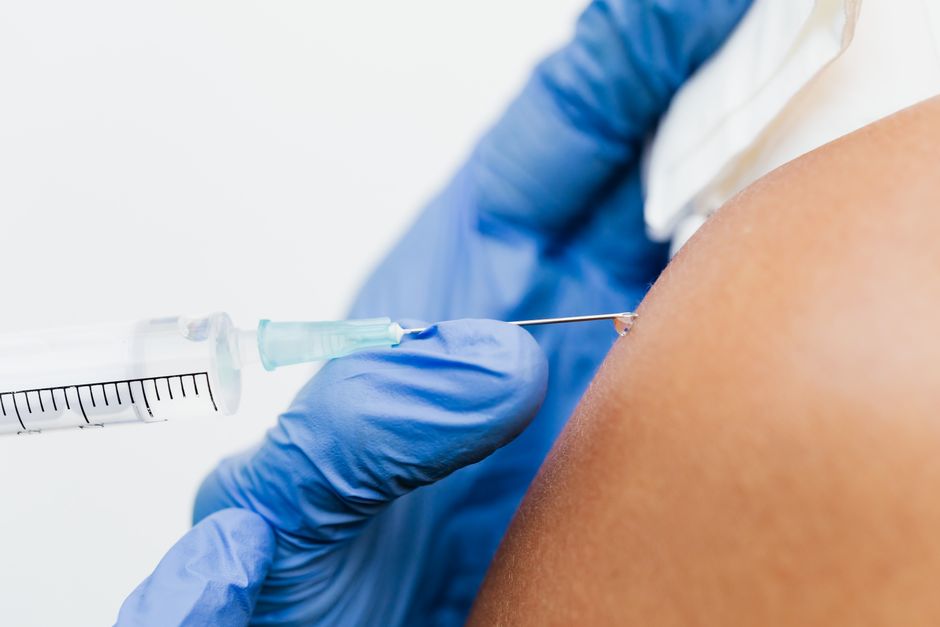
A lesi injection is a medical procedure where medication is injected directly into a lesion, which is an area of abnormal tissue on or under the skin. These injections are most commonly used to treat raised scars, such as keloids and hypertrophic scars, using corticosteroids to flatten them and reduce symptoms like itching. The procedure is generally quick, performed in a doctor’s office, and has a low risk of serious complications, though temporary side effects like pain and skin changes can occur.
What Conditions Are Treated With Lesi Injections?
Lesi injections are primarily used for dermatological conditions. The most common targets are keloids and hypertrophic scars. These are types of raised scars that form when the skin produces too much collagen during healing. Keloids grow beyond the original wound boundary. Hypertrophic scars stay within the original injury line.
Doctors also use intralesional injections for other skin issues. These include certain types of cysts, warts, and localized areas of inflammation like granulomas or psoriasis plaques. The specific medication used depends entirely on the condition being treated.
For scars, the injected medication is almost always a corticosteroid. Triamcinolone acetonide is a standard choice. For other conditions, different drugs may be used. For example, some warts are treated with injected antigens or bleomycin, though these approaches are less standardized than steroid use.
How Does The Procedure Work?
The procedure is straightforward but requires precision. The skin is cleaned with an antiseptic. A very fine needle is then inserted directly into the abnormal tissue. The medication is deposited slowly to minimize pain and reduce the risk of the drug spreading to healthy surrounding skin.
No anesthesia is usually required, though a topical numbing cream may be applied beforehand for sensitive areas. The entire process typically takes only a few minutes. Most patients describe the sensation as a sharp pinch or mild burning.
The number of injections needed varies. For a keloid or hypertrophic scar, a series of treatments is typically required. Injections are often spaced about four to six weeks apart. The goal is gradual flattening of the scar over several months. Some patients see improvement after one session, but most need three or more.
What Are The Expected Effects?
The primary effects of a corticosteroid lesi injection are reduction in scar height, softening of the tissue, and relief from symptoms. Itching and tenderness often improve within days of the first injection. Visible flattening of the scar usually takes longer, often appearing after two or three sessions.
Clinical response rates are generally high. Many studies report significant improvement in the majority of treated scars. However, complete resolution is not guaranteed. Some scars respond partially, and some do not respond at all. A scar that does not improve after several treatments may require a different approach.
Combination therapy is common. Many dermatologists pair injections with other treatments like silicone sheets, pressure therapy, or laser therapy to improve outcomes. Injections alone are often not enough for large or aggressive keloids.


What Are The Risks And Side Effects?
Most side effects are temporary and localized to the injection site. Pain and minor bleeding at the site are expected. Some swelling or bruising may occur and usually resolves within a few days.
More specific risks relate to the corticosteroid itself. A common side effect is skin atrophy, where the skin becomes thin and depressed at the injection site. This occurs when the steroid spreads into healthy tissue or when injections are too frequent or too concentrated. This thinning is usually temporary but can take months to resolve.
Other potential effects include changes in skin color. Hypopigmentation, or lightening of the skin, can occur, particularly in people with darker skin tones. This is often temporary but can sometimes be permanent. Telangiectasia, which are small dilated blood vessels visible on the skin surface, can also develop.
Systemic effects are rare with standard dosing. However, repeated high-dose injections over large areas can theoretically cause steroid absorption into the bloodstream. This could lead to side effects like elevated blood sugar, adrenal suppression, or changes in menstruation. Doctors mitigate this by using the lowest effective dose and spacing treatments appropriately.
What Happens If The Injection Is Not Done Correctly?
Technique matters. If the medication is injected too superficially, it can cause skin breakdown, ulceration, or a sunken appearance. If injected too deeply, it may not affect the scar tissue at all and could affect underlying fat or muscle.
Infection is an uncommon but possible risk with any injection that breaks the skin. Signs of infection include increasing redness, warmth, swelling, or pus at the site. Patients should contact their doctor if these symptoms appear.
Allergic reactions to the injected medication are rare but possible. Symptoms might include hives, difficulty breathing, or swelling away from the injection site. This requires immediate medical attention.
Are There People Who Should Not Get This Procedure?
Certain individuals should avoid corticosteroid injections. People with a known allergy to the medication should not receive it. Those with an active infection at the injection site should wait until it clears.
Caution is advised for people with uncontrolled diabetes. Corticosteroids can raise blood sugar levels. People with weakened immune systems should also discuss the risks with their doctor. Pregnancy is not an absolute contraindication, but steroid use during pregnancy is discussed on a case-by-case basis with the prescribing physician.
No clinical guidelines currently exist for the use of lesi injections in infants and very young children for cosmetic scar treatment. In pediatric cases, the decision is made by a specialist who weighs the potential benefits against the risks of systemic absorption and effects on growth.
How Does This Compare To Other Scar Treatments?
Lesi injections are not the only option for raised scars. They are often compared to surgical removal, laser therapy, and silicone-based products.
Surgical removal of a keloid carries a high recurrence rate. Injections are frequently used after surgery to prevent the scar from returning. Laser therapy can improve color and texture but is often less effective at flattening a thick scar. Silicone sheets are a preventive measure and work best on new scars rather than established keloids.
Intralesional corticosteroid injections remain a first-line treatment for established keloids and hypertrophic scars. The evidence supporting their use is strong, and they are widely considered the standard of care in dermatology.
What Should You Expect During Recovery?
There is minimal downtime. Most people return to normal activities immediately after the procedure. The injection site may be tender for a day or two. Ice packs can help reduce swelling.
Patients are often advised to keep the area clean and avoid applying heavy creams or makeup for the first 24 hours. Sun protection on the treated area is important, especially for those at risk of hyperpigmentation.
Results develop gradually. It is important to attend follow-up appointments as scheduled. Stopping treatment early, even if the scar looks better, can lead to regrowth. The scar may continue to improve for several weeks after the final injection.
Frequently Asked Questions
Does a lesi injection hurt?
Most people feel a sharp sting or burning sensation during the injection, which lasts only a few seconds. The pain is generally mild and tolerable without anesthesia, though numbing cream can be used for sensitive areas.
How many lesi injections are needed to flatten a scar?
Most patients need a series of injections spaced four to six weeks apart. Significant flattening is often seen after two to three sessions, though some scars require more treatments.
Can a lesi injection make the scar worse?
Improper technique or dosing can cause skin thinning, color changes, or ulceration. These complications are usually temporary but require an experienced dermatologist to minimize the risk.
Are lesi injections safe for all skin types?
The procedure is generally safe for all skin types, but people with darker skin have a higher risk of temporary lightening of the skin at the injection site. This risk should be discussed with the doctor before treatment.
