
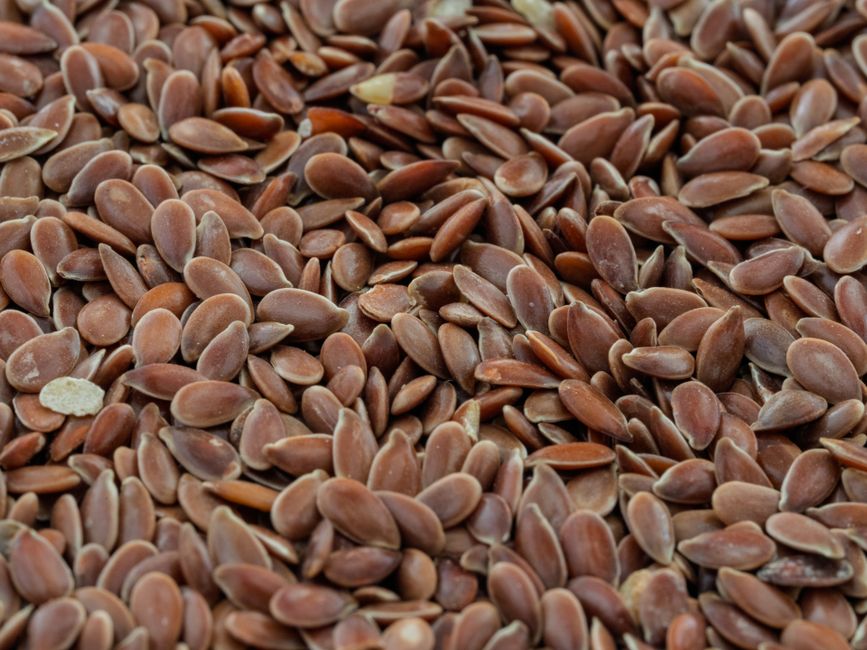
Vegetable and seed oils come from pressing or chemically extracting the natural oil stored inside plant seeds, nuts, and some fruits. The process starts with cleaning and drying the raw material, then uses mechanical pressure, a chemical solvent, or a combination of both to separate the oil from the solid plant matter. The final product you see in a bottle has usually been refined, which removes impurities, colors, and odors to make it stable and safe for cooking.
What Are The Main Steps In Oil Extraction?
Oil extraction follows a basic sequence regardless of the plant source. The goal is always the same: separate the oil from the rest of the seed or fruit.
- Cleaning and drying — Raw seeds contain dirt, stones, and moisture. These must be removed first because moisture interferes with extraction and shortens shelf life.
- Preparation — Seeds are often ground, flaked, or heated. Heating makes the oil less viscous and easier to release. This step is called conditioning.
- Extraction — Oil is removed either by pressing or by using a solvent like hexane.
- Refining — The crude oil is filtered, degummed, deacidified, bleached, and deodorized to produce the clear, neutral-tasting oil sold in stores.
Not every oil goes through every step. Extra-virgin olive oil, for example, is simply pressed and filtered. It is never refined. That is why it keeps its strong flavor and dark color.
How Do You Get Oil From Vegetables And Seeds Using Cold Pressing?
Cold pressing is a mechanical method that squeezes oil out of seeds without added heat. The name is slightly misleading. Some heat is always generated by friction during pressing. The term “cold pressed” simply means the temperature stays below a certain limit during extraction, typically around 120°F (49°C).
An expeller press is the most common machine used. It works like a giant screw inside a barrel. As the screw turns, it crushes the seeds and pushes them forward under intense pressure. The oil seeps out through small gaps in the barrel while the solid seed material, called press cake, exits at the end.
Cold pressing preserves more natural antioxidants and flavor compounds than heat-based methods. However, it also leaves some oil behind in the press cake. Mechanical pressing alone typically extracts only 60 to 75 percent of the available oil. The rest stays locked in the solid material.
What Is Solvent Extraction?
Solvent extraction is the method used for most commercial vegetable oils, especially soybean, canola, and cottonseed oil. It recovers almost all the oil from the seed — usually over 95 percent.
The process uses a chemical called hexane, a liquid hydrocarbon derived from petroleum. After the seeds are pressed to remove the easy oil, the remaining press cake is mixed with hexane. The solvent dissolves the oil out of the cake. The mixture is then heated to evaporate the hexane, leaving only the oil behind.
The hexane is captured and reused for the next batch. Very small traces can remain in the finished oil, but refiners remove most of it through heating and steam distillation. Regulatory agencies in the US and Europe set strict limits on allowable hexane residues in food oils.
Modern solvent extraction plants are closed systems. Workers rarely come into direct contact with the chemical. The process is highly efficient, which is why it dominates the industry for low-cost oils.





Which Method Is Used For Different Oils?
The choice of method depends on the oil’s source and its intended use. Some plants give up their oil easily. Others need more aggressive processing.
- Olive oil — Always pressed mechanically. No solvents are used in quality olive oil production.
- Coconut oil — Pressed from dried coconut meat, called copra. Virgin coconut oil is cold pressed.
- Sunflower and safflower oil — Usually pressed first, then solvent extracted to maximize yield.
- Canola oil — Almost always solvent extracted because the seeds contain only about 40 percent oil.
- Peanut oil — Pressed and sometimes solvent extracted. Gourmet peanut oils are cold pressed.
- Corn oil — Extracted from the germ of the corn kernel using solvent extraction.
Expeller-pressed oils cost more because they are less efficient. Cold-pressed oils cost even more because they require slower pressing speeds to keep temperatures low. This is why cold-pressed extra-virgin olive oil is priced far above regular vegetable oil.
Why Are Most Oils Refined After Extraction?
Crude oil straight from the press is not ready for the grocery store shelf. It contains free fatty acids, phospholipids, pigments, and volatile compounds that affect taste, appearance, and safety.
Refining removes these unwanted components. The process has several stages:
- Degumming — Removes phospholipids by adding water or acid. These compounds would make the oil cloudy and cause it to smoke when heated.
- Neutralizing — Free fatty acids are removed using an alkaline solution. High levels of free fatty acids cause rancidity and off-flavors.
- Bleaching — The oil is passed through activated clay or charcoal to remove pigments like chlorophyll and carotenoids.
- Deodorizing — Steam distillation under vacuum strips out volatile compounds that give crude oil an unpleasant smell and taste.
Refining produces a neutral oil with a high smoke point. That makes it versatile for frying and baking. The trade-off is that refining also removes beneficial compounds like vitamin E, phytosterols, and polyphenols. This is why unrefined oils are often marketed as healthier — they retain more of these natural components.
What Is The Difference Between Refined And Unrefined Oil?
The difference matters for both cooking and nutrition. Refined and unrefined oils behave differently in the pan and in the body.
Refined oils are clear, light in color, and have almost no taste. They can withstand higher temperatures before smoking. Canola, vegetable, and light olive oil fall into this category. Their lack of flavor makes them good for baking and neutral cooking, but it also means they contribute little nutritionally beyond calories and fat.
Unrefined oils keep their natural color, flavor, and aroma. Extra-virgin olive oil, toasted sesame oil, and cold-pressed flaxseed oil are examples. They contain higher levels of antioxidants and polyphenols. They also have lower smoke points, meaning they burn at lower temperatures. Using them for high-heat frying destroys their beneficial compounds and creates bitter flavors.
Some research suggests that the antioxidants in unrefined oils provide health benefits, particularly for heart health. The evidence is strongest for extra-virgin olive oil, which has been studied extensively in Mediterranean diet research.
Is Solvent Extraction Safe?
Concerns about hexane in cooking oils are common, but the regulatory picture is clear. Hexane is classified as a processing aid, not an ingredient. It is not meant to remain in the final product.
After extraction, the oil undergoes heating and steam treatment that evaporates the hexane. The US Food and Drug Administration permits hexane residues in food at levels it considers safe. The European Food Safety Authority has similar regulations.
Independent testing by consumer groups has found hexane residues in some commercial oils, but at levels far below regulatory limits. The amounts are measured in parts per million. For context, even “hexane-free” cold-pressed oils can contain trace hydrocarbons from natural plant metabolism.
No clinical evidence currently shows that consuming oils with trace hexane residues causes harm in humans. If you want to avoid the issue entirely, choose cold-pressed or expeller-pressed oils labeled as such.
Does The Extraction Method Affect Nutritional Value?
Yes, the extraction method directly influences what remains in the final oil. Heat, light, and chemical processing all degrade sensitive compounds.
Vitamin E is the most affected nutrient. It is a fat-soluble antioxidant that breaks down under high heat and during bleaching. Cold-pressed oils retain significantly more vitamin E than refined oils from the same source.
Polyphenols follow the same pattern. These plant compounds contribute to the bitter, peppery taste of extra-virgin olive oil. They are largely removed during deodorization. Studies consistently show that unrefined oils contain higher polyphenol levels than refined versions.
Fatty acid composition, however, does not change much during extraction. The ratio of saturated, monounsaturated, and polyunsaturated fats is determined by the plant itself. Processing removes minor components but does not transform the basic fat profile.
What About Cold-Pressed Oils For Cooking?
Cold-pressed oils are not automatically better for every use. Their lower smoke point is a real limitation.
When oil is heated past its smoke point, it breaks down and releases compounds that taste burnt and may be harmful. Acrolein and free radicals form during this breakdown. Repeated exposure to these compounds through frequent high-heat cooking is not ideal for health.
Use cold-pressed oils for salad dressings, drizzling, and low-temperature cooking. Save refined oils for deep frying and high-heat searing. Coconut oil is an exception — unrefined coconut oil has a relatively high smoke point around 350°F (177°C), making it suitable for moderate frying.
Frequently Asked Questions
Is cold-pressed oil healthier than refined oil?
Cold-pressed oils retain more natural antioxidants and vitamin E than refined oils. However, the overall health difference depends on the oil type and how you use it, since cold-pressed oils break down at lower cooking temperatures.
Does all vegetable oil contain hexane?
No, only solvent-extracted oils may contain trace hexane residues. Cold-pressed and expeller-pressed oils are processed without hexane entirely.
What is the difference between expeller-pressed and cold-pressed oil?
Expeller pressing uses mechanical pressure and generates some heat through friction. Cold pressing is a slower version of expeller pressing that keeps the temperature below a set limit, usually around 120°F (49°C).
Why is olive oil not extracted with chemicals?
Olive oil is naturally abundant in the fruit and comes out easily with mechanical pressing. The best quality olive oils are extracted this way to preserve flavor and beneficial polyphenols.
