
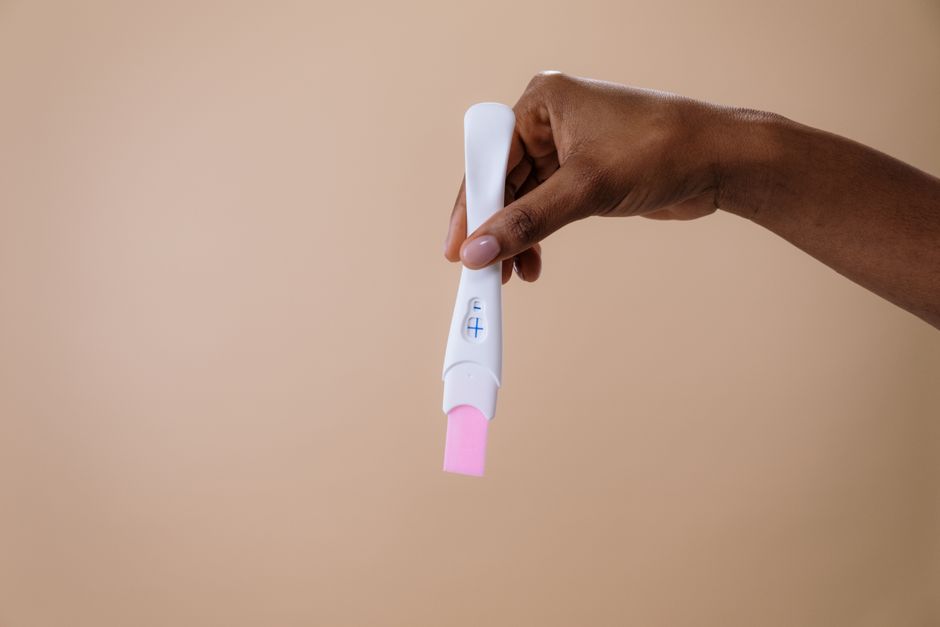
Home pregnancy tests work by detecting human chorionic gonadotropin (hCG) in urine. The only reliable way to get a positive test is to actually be pregnant. No drink, trick, or home remedy can create hCG where none exists. If you are looking for ways to make a test show positive when you are not pregnant, you should know that no legitimate method exists. This guide explains what really affects test results and why most advice you see online is simply wrong.
Do Home Remedies Like Bleach or Toothpaste Work?
No. There is zero scientific evidence that bleach, toothpaste, vinegar, or any household product can make a pregnancy test positive. These are viral social media myths that have been circulating for years.
Some of these substances may cause a chemical reaction with urine that produces bubbles or color changes. This is not the same as a positive pregnancy test. A real pregnancy test detects hCG using antibodies that bind specifically to that hormone. Bleach cannot do that.
Research published in the Journal of Obstetrics and Gynecology has not studied these methods because they have no plausible biological mechanism. The American Pregnancy Association explicitly warns against using any homemade pregnancy test. They are unreliable and can give false hope or false reassurance.
If you see a video of someone mixing urine with toothpaste and getting a reaction, remember that many substances create foam when mixed. This means nothing about pregnancy.
Can Drinking More Water Make a Test Positive?
Drinking more water will not create hCG in your body. It will dilute your urine. This can actually make a test less sensitive and more likely to show a false negative.
Most home pregnancy tests are designed to detect hCG at levels around 20-25 mIU/mL. When your urine is very diluted from drinking excess water, the concentration of hCG may fall below this threshold. A woman who is pregnant could get a negative test simply because she drank too much water before testing.
The opposite is also true. Using first morning urine, which is more concentrated, gives the most accurate results. This is why instructions on every box tell you to test first thing in the morning.
Some people online claim that drinking certain herbal teas can “trigger” a positive result. There is no clinical evidence for this. Herbs cannot produce hCG. If you are not pregnant, no amount of tea will change that.
What Actually Causes a False Positive Pregnancy Test?
False positives are rare but they do happen. They are almost never caused by something you drink or eat. They are caused by one of three things: medication, medical conditions, or test defects.
Certain medications contain hCG or trigger its production. The most common are fertility drugs like Pregnyl or Novarel, which contain actual hCG. If you take these for ovulation induction, you may get a positive test even if you are not pregnant. This effect usually lasts 7-14 days after the last injection.
Medical conditions that produce hCG include some rare ovarian tumors, pituitary gland issues, and certain cancers. These are uncommon but well-documented in medical literature. The American Cancer Society notes that some tumors secrete hCG as a tumor marker.
Test defects are the least common cause. Expired tests, damaged tests, or tests stored in extreme heat or cold can give inaccurate results. Always check the expiration date and follow storage instructions.




Does How To Make A Pregnancy Test Positive Actually Work?
No method of making a pregnancy test positive when you are not pregnant works reliably. The entire premise is flawed because pregnancy tests measure a specific hormone your body only produces during pregnancy.
Some women who are trying to conceive look for ways to get an earlier positive result. This is a different question. You cannot make a test positive before implantation occurs. Implantation typically happens 6-12 days after ovulation. Before that, there is no hCG to detect.
Early testing often leads to disappointment. A 2018 study in the journal Human Reproduction found that only 10% of embryos successfully implant on day 6 after ovulation. Testing before day 10 post-ovulation gives a high rate of false negatives even in women who will eventually have a positive test.
The only way to ensure an accurate positive test is to wait until the day of your missed period. At that point, most pregnancy tests detect over 90% of pregnancies. Testing earlier does not help and often causes unnecessary stress.
What Do Pregnancy Test Results Actually Mean?
Understanding how tests work helps explain why no trick can change the outcome. Here is a simple breakdown of how different results should be interpreted:
| Result Type | What It Means | Likelihood |
|---|---|---|
| True Positive | hCG detected in urine. You are pregnant. | Accurate over 99% |
| True Negative | No hCG detected. You are not pregnant. | Accurate over 99% |
| False Positive | Test says positive but you are not pregnant. | Rare. Usually medication or medical condition. |
| False Negative | Test says negative but you are pregnant. | More common. Usually testing too early or diluted urine. |
False negatives are actually more common than false positives. Testing before your missed period is the biggest cause. According to the FDA, home pregnancy tests are over 99% accurate when used correctly on the day of your missed period. That drops significantly if you test earlier.
Evaporation lines can also confuse results. These appear when urine dries on the test strip and leaves a faint shadow. They are not positive results. Always read the test within the time window specified in the instructions, usually 3-5 minutes.
What Are the Risks of Faking a Positive Test?
Some people consider faking a pregnancy test for personal reasons. This is not a harmless prank. It can have serious emotional and relational consequences.
There are products sold online that claim to produce a positive line on any test. These are not pregnancy tests. They are chemical markers that react with the test strip to produce a line regardless of hCG. Using one is deceptive and potentially harmful.
Healthcare providers make medical decisions based on pregnancy status. A faked positive test could lead to unnecessary medications, delayed diagnosis of other conditions, or changes in medical care that affect your health. The American College of Obstetricians and Gynecologists recommends that all positive home tests be confirmed by a blood test or clinical evaluation.
If you are trying to convince someone you are pregnant when you are not, consider the emotional damage this causes. Pregnancy affects relationships, finances, and life plans. Deception in this area can destroy trust that takes years to rebuild.
Common Misconceptions About Positive Tests
There are many myths about what can change a pregnancy test result. Here are the most common ones and the truth behind each:
- Shampoo or soap in the urine sample. This does not create hCG. It can damage the test strip and produce a meaningless result. The test will be invalid, not positive.
- Putting the test in the refrigerator. Temperature changes do not create hCG. Cold temperatures can actually damage the antibodies on the test strip, making it less accurate.
- Adding sugar to the urine. Sugar does not react with pregnancy test antibodies. This is a myth with no basis in chemistry or biology.
- Using someone else’s urine. This will give a result for that person, not you. If they are pregnant, the test will be positive. If they are not, it will be negative.
- Holding the test upside down. This changes nothing about the chemical reaction. It may cause the urine to not reach the test strip at all, resulting in an invalid test.
None of these methods produce a real positive result. At best they give an invalid test. At worst they give false hope or false information.
What Should You Do If You Get an Unexpected Result?
If you get a positive test and are surprised or unsure, take a second test with a different brand. Use first morning urine for the most accurate result. If both tests are positive, you are very likely pregnant.
If you get a positive test but do not want to be pregnant, contact a healthcare provider immediately. They can confirm the result with a blood test and discuss your options. Time is important in these situations.
If you get a negative test but still think you might be pregnant, wait three days and test again. hCG levels double roughly every 48-72 hours in early pregnancy. A test that was too early to detect may become positive after a few days.
The Centers for Disease Control and Prevention recommends that anyone who is sexually active and of reproductive age take a daily folic acid supplement of 400 micrograms. This reduces the risk of neural tube defects if pregnancy occurs. This is good advice regardless of your test results or pregnancy plans.
Frequently Asked Questions
Can you make a pregnancy test positive with water?
No. Water does not contain hCG and cannot make a test positive. It will likely make the test invalid or show a negative result.
What household items can make a pregnancy test positive?
None. No household item creates hCG, which is the only substance pregnancy tests detect. Any reaction you see online is not a real positive result.
How early can a pregnancy test show positive?
Some sensitive tests can detect hCG as early as 10 days after ovulation. For the most accurate result, wait until the day of your missed period.
Can medications cause a false positive pregnancy test?
Yes. Fertility drugs containing hCG can cause false positives. Most other medications do not affect pregnancy test results.
