
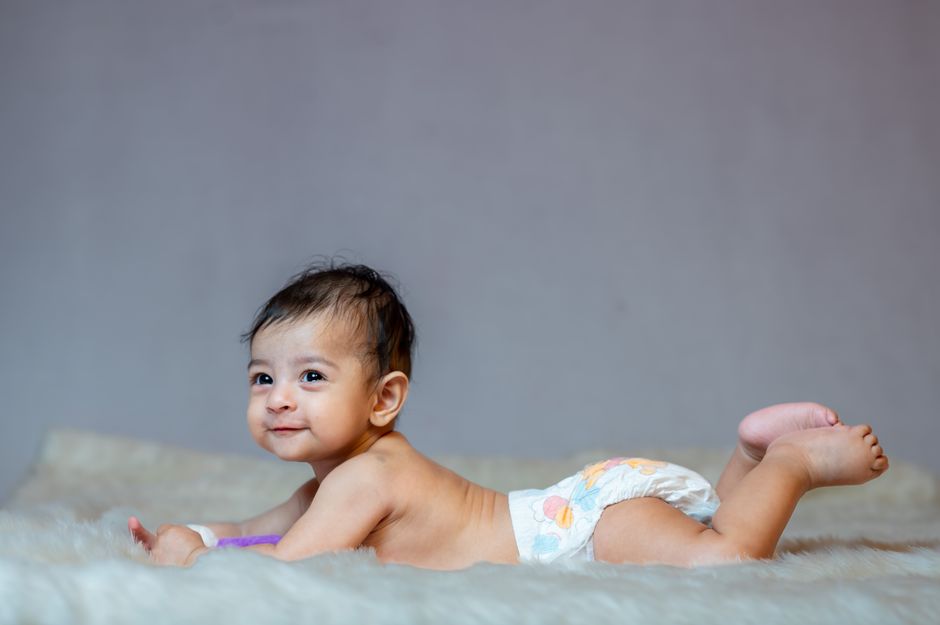
A newborn’s smile is one of the most heartwarming sights for any parent. While you cannot force a true social smile before it naturally develops, you can use specific techniques to encourage those early grins and reactions. The most effective methods involve gentle touch, high-pitched vocal tones, and responding to your baby’s awake and alert states, which typically yield the best results between 4 and 8 weeks of age.
What Is the Difference Between Reflex and Social Smiles?
Understanding the type of smile you are seeing helps set realistic expectations. In the first few weeks of life, most smiles are reflex smiles. These occur randomly during sleep or when passing gas, and they are not a response to you or your interactions.
Reflex smiles are brief and often happen during REM sleep. They are a sign of a developing nervous system, not a conscious emotional response. You will likely see these from birth, but they do not mean your baby is happy to see you yet.
A social smile is different. This is a deliberate, responsive grin that happens when your baby is awake and looking at you. It usually appears between 6 and 8 weeks of age, though some babies do it closer to 4 weeks or take up to 3 months. This smile is your baby’s first real form of communication and connection.
When Do Babies Start Smiling on Purpose?
Most healthy babies develop a true social smile between 6 and 8 weeks after their due date. If your baby was born prematurely, you should measure this from the due date, not the birth date. A baby born 6 weeks early may not smile socially until 12 to 14 weeks after birth.
Before that point, your efforts are not wasted. You are building the foundation for that first smile. Babies learn to smile because they learn that faces are rewarding. Every time you look at them, talk to them, and respond to them, you are teaching them that social interaction is positive.
If your baby has not smiled socially by 3 months of age, mention it to your pediatrician. Most of the time it is simply a variation of normal, but early screening can identify developmental delays when intervention is most effective.
How To Make A Newborn Smile Techniques That Work
The most reliable way to encourage a newborn smile is to create the right conditions. Babies smile when they are comfortable, alert, and not hungry or tired. Trying to elicit a smile from a fussy or overtired baby rarely works.
Look for a quiet alert state. This is when your baby’s eyes are bright and open, and they are calmly looking around. This window often appears after a feeding and a diaper change. This is the ideal time to try smiling techniques.
Effective techniques include:
- High-pitched vocalizations: Babies respond strongly to a higher-pitched, sing-song voice. This is sometimes called parentese or motherese. Slow, exaggerated speech with bright vowel sounds often gets a reaction.
- Exaggerated facial expressions: Open your mouth wide, raise your eyebrows, and stick out your tongue. Babies are drawn to faces and will often mimic expressions back.
- Gentle touch: Lightly stroke your baby’s cheek, tummy, or feet while smiling and talking. Some babies respond to soft, rhythmic patting.
- Pause and wait: After you smile and talk, give your baby time to respond. It can take several seconds for a newborn to process and react. Do not rush in with more stimulation.
- Mirror their sounds: If your baby coos or makes small noises, repeat those sounds back. This turn-taking teaches the back-and-forth rhythm of conversation.




Why Do Some Babies Smile More Than Others?
Temperament plays a significant role in how often a baby smiles. Some newborns are naturally more social and responsive. Others are more observant and take longer to respond with a smile. Both patterns are normal.
Your baby’s environment also matters. Babies who experience responsive caregiving tend to smile more. When you consistently respond to your baby’s cues, you build trust. That trust makes your baby feel secure enough to engage socially.
Research suggests that babies smile more when their caregivers smile at them. This sounds obvious, but the effect is measurable. A caregiver who smiles frequently and warmly will likely see more smiles in return. If you are feeling stressed or flat, your baby may be less responsive. This is not a reflection of your parenting.
What Should You Do If Your Baby Does Not Smile Back?
It is easy to feel discouraged when you smile at your baby and get no response. Remember that newborns have short attention spans and limited energy. A baby who is not smiling may simply be overstimulated or tired.
Try reducing stimulation. Move to a quieter room, lower the lights, and speak more softly. Sometimes less is more when it comes to eliciting a smile. Watch your baby’s cues closely. If they look away, yawn, or start to fuss, they are telling you they need a break.
Do not take a lack of smiling personally. Newborns are still learning to control their facial muscles. The coordination required for a deliberate smile is complex, and it develops at different rates in different babies.
If your baby rarely makes eye contact, does not respond to your voice, or seems unusually disengaged, talk to your pediatrician. These can be early signs of a developmental issue, but they can also be completely normal variations. Your pediatrician can help you sort out which is which.
Can You Overstimulate a Newborn While Trying To Get a Smile?
Yes. Newborns have immature nervous systems. They can only handle so much sensory input at one time. Too much stimulation does not produce more smiles. It produces stress and crying.
Signs of overstimulation include turning the head away, arching the back, crying, or falling asleep suddenly. If you see these signs, stop the interaction immediately. Give your baby quiet time to recover.
A good rule is to attempt smiling interactions in short bursts. Thirty seconds to two minutes of active engagement is plenty for a newborn. Then give your baby a break. You can try again later when they are alert again.
Overstimulation is not harmful in the long term, but it is stressful for your baby in the moment. Learning to read your baby’s limits is an important parenting skill. It also makes your interactions more effective because your baby will be more receptive when you do engage.
What Other Milestones Come With the Social Smile?
The social smile rarely appears alone. Around the same time, you may notice your baby starting to coo. These soft vowel sounds often accompany smiling and are another form of social communication.
Your baby may also begin to track you with their eyes more deliberately. Instead of just looking at your face, they may follow you as you move around the room. This visual tracking is a sign of growing awareness and connection.
Some babies also start showing early signs of anticipation. They may get excited when you approach their crib or when they hear your voice before they see you. These behaviors show that your baby is forming expectations about social interactions.
These milestones typically emerge together over several weeks. If you notice your baby smiling but not cooing, that is fine. Development does not follow a strict schedule. Each baby reaches these milestones in their own order and at their own pace.
Does Skin-to-Skin Contact Help Babies Smile?
Skin-to-skin contact creates conditions that make smiling more likely. When you hold your baby against your bare chest, their heart rate stabilizes, their breathing becomes more regular, and their stress hormones drop. A calm, comfortable baby is much more likely to engage socially.
Skin-to-skin also releases oxytocin in both you and your baby. Oxytocin is sometimes called the bonding hormone. It promotes feelings of calm and connection. This state of well-being makes social interaction feel good to your baby.
Skin-to-skin is not a direct technique for making a baby smile. It is a foundation technique. It makes your baby more available for social interaction. You can combine skin-to-skin with gentle talking and soft smiles to create an ideal environment for that first social smile.
Frequently Asked Questions
Can a newborn smile at 2 weeks old?
Yes, but it is almost certainly a reflex smile, not a social one. Reflex smiles occur during sleep and are not a response to you.
How long does it take for a baby to smile back at you?
Most babies begin responding to your smile with their own social smile between 6 and 8 weeks of age. Some take up to 3 months, and that is still within the normal range.
What if my baby does not smile at me by 2 months?
Do not panic. Many healthy babies do not develop a social smile until closer to 8 or 10 weeks. If there are no other concerns, keep engaging gently and mention it at your next pediatrician visit.
Do premature babies smile later than full-term babies?
Yes. Developmental milestones like smiling are measured from the due date, not the birth date. A premature baby may smile socially weeks later than a full-term baby born on the same day.
