
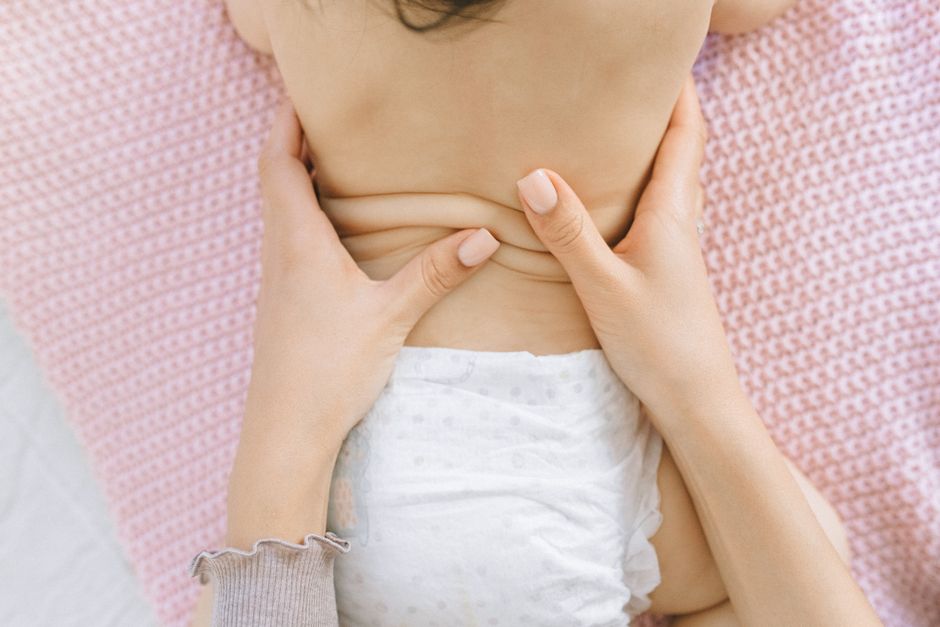
Hiccups in a newborn look dramatic for something so harmless. A baby’s whole chest jerks, a small squeak escapes, and the episode can run for several minutes. Here is the short answer: newborns hiccup because the nerve circuit that controls the diaphragm is still maturing, and their feeding habits trigger it easily. It is not a sign of illness, and it is not caused by something you did wrong.
Hiccups are actually one of the most common and normal events in early infancy. Many parents notice them before birth, during pregnancy, when the fetus hiccups in the womb. After delivery, they often show up right after a feeding or during a burp. Understanding the mechanism makes the whole thing far less worrying.
Why Does A Newborn Get Hiccups?
Hiccups come from the diaphragm, the dome-shaped muscle that sits under the lungs and pulls downward to draw air in. When something irritates or stimulates the phrenic nerve, which controls that muscle, the diaphragm contracts suddenly and involuntarily. That sharp contraction pulls air into the lungs, and the vocal cords snap shut a fraction of a second later. The “hic” sound is that closure.
In newborns, this reflex fires more easily than it does in older children and adults. The reason is developmental. The nerve pathways linking the brain to the diaphragm are still forming in the first months of life. A signal that an adult brain would filter out can set off a full hiccup in a newborn.
There is also a structural factor. A newborn’s chest and abdomen are small, and the diaphragm sits close to the stomach. Anything that pushes on the diaphragm from below, such as a full stomach, can provoke the reflex. This is why feeding and hiccups are so often linked in the first weeks.
One point worth knowing: hiccups are not a burp and they are not trapped gas. They are a nerve reflex. Burping a baby may help with gas, but it does not directly stop hiccups, even though the two often happen around the same time.
What Triggers Hiccups in Babies?
Feeding is the most common trigger. When a baby eats, the stomach fills and expands. That expansion presses upward against the diaphragm, and the stretch can set off the reflex. This is why hiccups frequently appear during or right after a feeding.
Swallowing air plays a role too. Babies who feed quickly, or who take in a lot of air during a bottle feed, tend to hiccup more. The air adds volume to the stomach, which increases pressure on the diaphragm.
Temperature changes can also trigger them. A sudden shift from a warm bath to a cooler room, or a cool breeze on the skin, sometimes starts a bout. The exact reason is not fully understood, but the pattern is common enough that it is widely recognized.
Some episodes have no clear trigger at all. A baby can hiccup while sleeping, while lying calmly, or for no obvious reason. When that happens, there is nothing to fix and nothing to look for.
Are Hiccups a Sign of a Feeding Problem?
Usually not. Hiccups after a feeding are expected and do not mean the baby ate too much or too little. They do not mean the baby is allergic to the formula or reacting to breast milk.
That said, if hiccups come with other signs, they are worth mentioning to a pediatric clinician. Watch for these alongside the hiccups:
- Frequent spitting up or forceful vomiting
- Arching the back or crying during feeds
- Poor weight gain or feeding that seems painful
- Choking, gagging, or turning blue during feeds
Those signs point to something separate from normal hiccups, such as reflux or a feeding difficulty, and they deserve a medical evaluation. Hiccups alone, with a baby who feeds well and gains weight, are not a red flag.
One clarification that surprises many parents: hiccups are not a sign the baby is cold, and they are not a sign the baby is hungry. Those are myths. Hiccups are a reflex, not a message.




Do Hiccups Bother a Newborn?
For the vast majority of babies, no. Hiccups are not painful, and they do not cause distress. A newborn can hiccup through a nap, through a calm alert period, or mid-feed without any sign of discomfort.
This is a key point that separates hiccups from other newborn behaviors. A baby with colic, reflux pain, or gas discomfort usually cries, grimaces, or pulls the legs up. A baby with hiccups typically just hiccups.
If a baby seems genuinely upset during a bout, the hiccups may be coinciding with something else, such as hunger or a wet diaper. Address the underlying need rather than the hiccups themselves.
How Long Do Newborn Hiccups Last?
Most bouts last a few minutes and stop on their own. Some run longer, and a few babies seem to hiccup for what feels like ages. Duration varies widely from baby to baby, and there is no fixed timeline that applies to all of them.
As the nervous system matures, hiccups tend to become less frequent. Many parents notice a gradual decline over the first several months, though the exact pace differs from one infant to the next. Some babies keep hiccuping well into the first year, and that is still within the range of normal development.
There is no established age at which hiccups are expected to stop completely. If you are tracking it, do so loosely. The trend matters more than any single episode.
What Actually Helps Newborn Hiccups?
Most of the time, nothing needs to be done. The episode ends on its own. If you want to try something, the options below are commonly used, though the evidence that they reliably stop hiccups is limited.
Some parents find that a short burp helps. Others try feeding briefly, changing position, or giving the baby a pacifier. None of these has been confirmed in large studies to stop newborn hiccups, so treat them as comfort measures rather than fixes.
What is not recommended: holding the baby upside down, startling them, pulling on the tongue, or pressing on the eyeballs. Those techniques are sometimes described in older parenting lore, and they carry real risk in an infant. Do not use them.
If hiccups happen during a feed, you can pause, burp the baby, and then continue. Slowing the feed and keeping the baby more upright can reduce the amount of air swallowed, which may make bouts less frequent for some babies.
When Should You Call a Doctor About Newborn Hiccups?
Hiccups by themselves almost never require a call. They are not dangerous, and they do not need treatment. The concern is never the hiccups; it is what might be happening alongside them.
Contact a pediatric clinician if hiccups come with any of the following:
- Vomiting that is forceful or green
- Trouble breathing, grunting, or blue color around the lips
- Feeding that has clearly gotten worse
- Weight loss or no weight gain
- Fussiness that does not settle
These signs suggest a separate issue, and a clinician should evaluate them. Do not wait to see if they resolve on their own.
If your baby is otherwise well, feeding normally, and gaining weight, hiccups are simply part of the newborn period. They are one of the many small reflexes that fade as the nervous system grows up.
Frequently Asked Questions
Why do newborns get hiccups so often?
Their diaphragm and the nerves that control it are still maturing, so the reflex fires more easily than it does in older children. A full stomach after feeding adds pressure that can set it off.
Are newborn hiccups a sign of anything serious?
On their own, no. Hiccups are normal in healthy newborns and are not a sign of illness. They only warrant attention if they come with vomiting, breathing trouble, or poor feeding.
Do hiccups hurt a baby?
No, hiccups are not painful for a newborn. A baby who is hiccuping but calm and feeding well is not in distress.
Should I stop feeding my baby during hiccups?
You do not have to. You can pause, burp the baby, and then continue if the hiccups seem to interrupt the feed. There is no medical reason to stop feeding just because of hiccups.
