
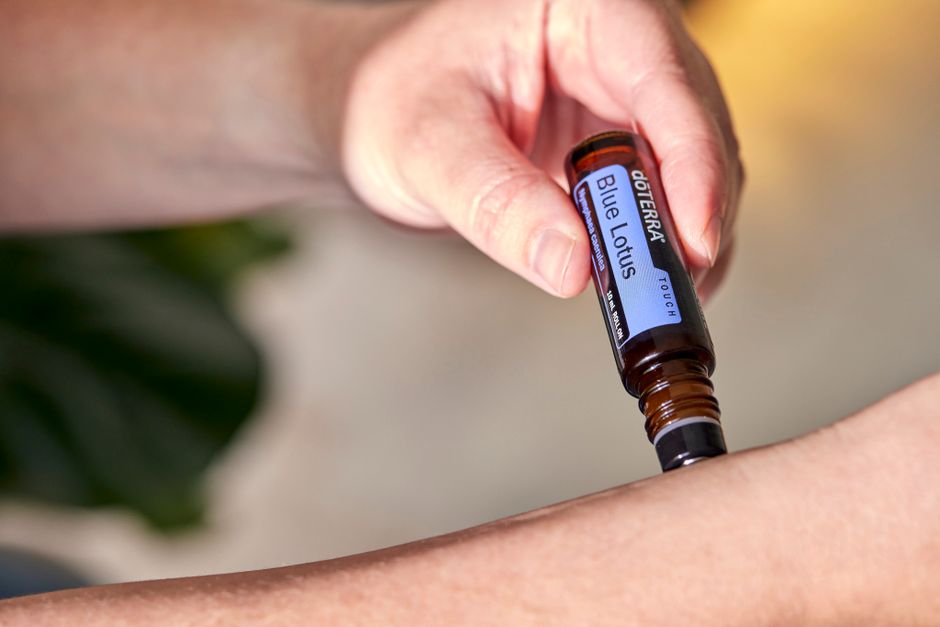
You can make a natural bug repellent by diluting certain essential oils in a carrier oil or alcohol and applying the mix to exposed skin and clothing. The oils most studied for repelling insects are lemon eucalyptus, citronella, and oil of geranium. Mix roughly 10 to 20 drops of essential oil per 1 ounce of carrier oil, or make a spray with about 1 ounce of witch hazel or high-proof alcohol plus water and the same amount of oil. Shake well before each use and reapply often, because these mixes fade faster than commercial repellents.
That is the short version. The longer version matters more, because “natural” does not automatically mean safe or effective, and the gap between a pleasant-smelling blend and something that actually keeps mosquitoes off your skin is wide.
Do Essential Oils Actually Repel Bugs?
Some do, but the effect is real yet modest. The best-studied plant-based repellent is oil of lemon eucalyptus, which contains a compound called para-menthane-3,8-diol, often shortened to PMD. It is the one botanical repellent that public health agencies have generally treated as comparable to low-concentration synthetic options, though it does not last as long as products built on DEET or picaridin.
Citronella, geranium, and several other oils show repellent activity in studies. The catch is duration. Most essential oil repellents need reapplication within a couple of hours, and often sooner if you are sweating or swimming. A product that works for 30 minutes is not useless, but it is not the same as one that works for several hours.
One clarification that surprises people: PMD is not simply squeezed from eucalyptus leaves. It is made by processing oil of lemon eucalyptus, and it is the processed compound that regulators evaluate for safety and effectiveness. That distinction is why you sometimes see it listed separately from other essential oils.
How Do You Make a Basic Essential Oil Bug Repellent?
The method is simple, but the ratios and the choice of base matter. Essential oils are concentrated and can irritate skin or cause allergic reactions if applied undiluted, so they always need a carrier.
For a lotion or oil-based repellent:
- Combine about 10 to 20 drops of essential oil per 1 ounce of a carrier oil such as fractionated coconut, jojoba, or almond oil.
- Stir or shake until blended.
- Store in a small bottle away from heat and direct sunlight.
For a spray:
- Add about 1 ounce of witch hazel or high-proof alcohol to a spray bottle.
- Add 10 to 20 drops of essential oil.
- Top off with about 1 ounce of water, cap, and shake well before each use.
Alcohol and witch hazel help the oil disperse in water. Without them, oil and water separate and you get uneven coverage. Shake every time.
These are general starting points, not laboratory formulas. There is no single official recipe, and no clinical guideline sets a standard dilution for homemade repellents. Treat any specific number you see online, including these, as a reasonable range rather than a tested dose.
Which Essential Oils Work Best for Repelling Mosquitoes?
Research points to a handful of oils more than others. The evidence is strongest for PMD, with citronella, geranium, and a few others showing activity in laboratory and field studies. Results vary by species of insect, concentration, and how the product is formulated.
A few commonly used oils and what the evidence suggests:
- Oil of lemon eucalyptus (PMD) — the best-supported botanical option for mosquitoes, with protection that can last longer than most other plant oils.
- Citronella — repellent activity is documented, but it fades quickly and is often most useful in candles or diffusers rather than on skin.
- Geranium — some studies show it deters mosquitoes, though findings are less consistent.
- Peppermint, lemongrass, and clove — often included in blends and may add some repellent effect, but strong evidence for each on its own is limited.
- Tea tree — sometimes marketed for this use, but the repellent evidence is thin.
Blending several oils does not automatically multiply the effect. More oils also mean more chances of skin irritation.





What Are the Safety Rules You Should Not Skip?
Essential oils are not risk-free just because they come from plants. They can cause skin irritation, allergic reactions, and harm if swallowed. A few points matter a great deal.
Never swallow essential oils. Even small amounts of some oils can be toxic when ingested, and there is no safe home dose for this purpose.
Do a patch test. Apply a small amount to your inner forearm and wait 24 hours before using it more widely. This is the standard way to check for a reaction.
Dilute always. Undiluted oils on skin can cause burns or irritation, especially with oils like clove, cinnamon, and oregano.
Keep away from eyes, mouth, and broken skin.
Be careful with children and pets. Some oils are dangerous for infants and young children, and several are toxic to cats and dogs. No clinical guidelines currently exist for using homemade essential oil repellents on infants, and it is safer not to. For pets, check with a veterinarian before using any oil in the home.
Pregnancy and breastfeeding deserve the same caution. Evidence on safety for most essential oils in pregnancy is limited, so it is worth talking to a clinician before using them on skin.
Why Do Natural Repellents Wear Off So Fast?
Essential oils are volatile. That means their molecules evaporate into the air quickly, and once they lift off your skin, the protection goes with them. This is the core reason natural repellents need frequent reapplication while products like DEET and picaridin can last for hours.
Heat, sweat, wind, and rubbing all speed up the loss. Sunscreen applied over or under a repellent can also change how it behaves. In general, apply sunscreen first, let it dry, then apply repellent.
You can slow the fade a little by using an oil-based carrier rather than a watery spray, since oils cling to skin longer. You can also treat clothing, hats, and gear rather than skin. Clothing holds repellent longer than skin does, though you should test a small hidden area first because oils can stain or damage some fabrics.
When Should You Use Something Stronger?
For a backyard dinner, a diluted essential oil spray may be enough. For a trip into an area with mosquito-borne illness, it may not be. This is where honesty matters more than brand loyalty to “natural.”
Mosquitoes in some regions carry diseases such as West Nile virus, dengue, and malaria. In those settings, public health guidance generally favors repellents with proven, long-lasting protection, including DEET, picaridin, IR3535, and PMD. If you want to stay plant-based, PMD is the option most often included in that group. If you use a weaker oil, you may need to reapply far more often, and you may still get bitten.
No repellent, natural or synthetic, prevents every bite. Combining repellent with other steps helps more than any single product. Wear long sleeves and pants when you can. Use screens or nets. Drain standing water around your home, since that is where mosquitoes breed.
One more point worth stating plainly: many “natural repellent” products sold online have never been tested for how long they actually work. A label that lists essential oils is not evidence of protection. When in doubt, look for a product registered with the Environmental Protection Agency, which reviews repellent claims for effectiveness.
Frequently Asked Questions
How many drops of essential oil should I use in a bug repellent?
A common range is about 10 to 20 drops of essential oil per 1 ounce of carrier oil or spray base. There is no official standard dilution for homemade repellents, so treat this as a general starting point.
Is oil of lemon eucalyptus the same as lemon eucalyptus essential oil?
They are related but not identical. The repellent ingredient is PMD, a processed compound made from oil of lemon eucalyptus, and it is the form most studied for insect protection.
Can I use essential oil bug repellent on my kids?
Many essential oils are not considered safe for infants and young children, and no clinical guidelines exist for homemade repellents in these groups. Check with a pediatrician before using any essential oil on a child.
How often do I need to reapply a natural repellent?
Often within a couple of hours, and sooner if you are sweating or swimming. Essential oils evaporate quickly, so they wear off faster than DEET or picaridin products.
