
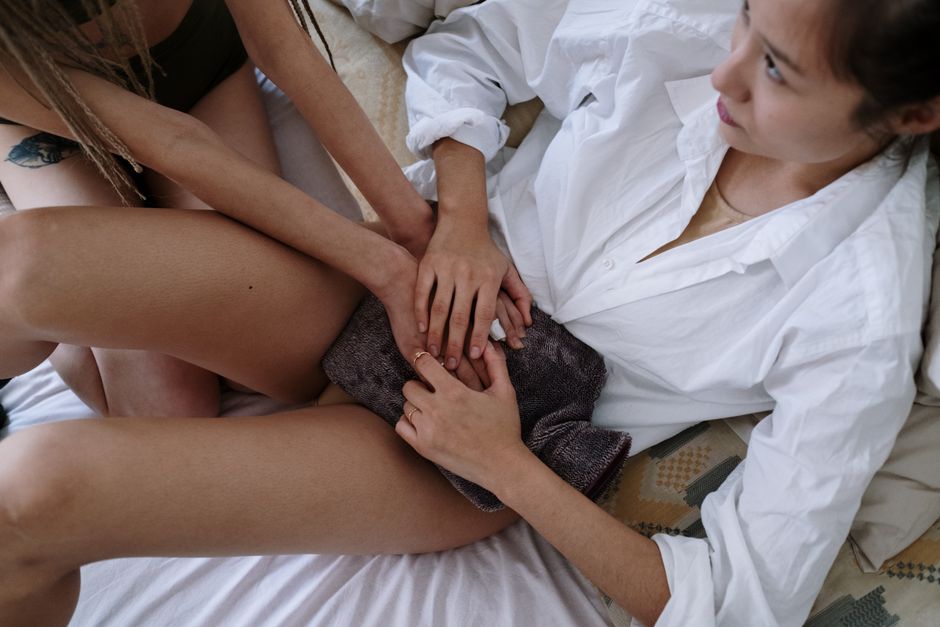
A moist heat pack can be a simple, effective way to ease sore muscles. Unlike dry heat, moist heat penetrates deeper into muscle tissue, which can feel more soothing for stiffness and aches. You can make one at home in a few minutes with items you likely already have in your kitchen.
Why Moist Heat Works for Sore Muscles
Moist heat helps sore muscles by increasing blood flow to the area. This increased circulation brings oxygen and nutrients to the tissue while helping remove waste products that build up during exercise or strain.
The warmth also relaxes tight muscle fibers. When a muscle is tense or spasming, heat signals the nervous system to reduce that contraction. Moist heat specifically feels more penetrating than dry heat because water conducts heat to the body more efficiently than air does.
This makes moist heat particularly useful for chronic muscle tightness, stiffness from arthritis, and the day-after soreness from a workout. It is not the best choice for acute injuries with swelling. Ice is generally recommended for the first 48 hours after a new injury.
How To Make A Moist Heat Pack For Sore Muscles
The most common homemade moist heat pack uses a wet towel and a microwave. This method is fast, inexpensive, and effective.
Start with a clean cotton towel. Fold it so it fits the area you want to treat. A hand towel works well for the neck or shoulders. A larger bath towel works for the back or legs.
Run the towel under water until it is thoroughly wet. Then wring it out well. You want it damp, not dripping. A towel that is too wet can burn your skin because the water heats beyond a safe temperature.
Place the damp towel in a microwave-safe plastic bag. Leave the bag partially open so steam can escape. Microwave in 30-second intervals. Most towels need between 1 and 2 minutes total, depending on the microwave’s power and the towel’s size and thickness.
Test the temperature carefully before applying it to your skin. Touch the hottest part of the towel to the inside of your wrist. It should feel comfortably warm, not hot. If it is too hot, let it cool for a minute or wrap it in a dry towel.
Place the warm towel on the sore area and cover it with a dry towel to trap the heat. Leave it on for 15 to 20 minutes. Do not fall asleep with a heat pack on your skin. This can cause burns.
Alternative: A Rice or Oatmeal Filled Sock
Another popular option is a fabric pouch filled with rice, oatmeal, or flaxseed. These grains hold moisture and release heat slowly, creating a moist heat effect.
Fill a clean cotton sock or a small cloth bag with about two cups of uncooked rice or rolled oats. Tie the end securely or sew it shut. Microwave the filled sock for 1 to 2 minutes, checking every 30 seconds.
The grains naturally contain some moisture, which is released as they heat. This creates a gentle, moist heat that conforms well to the shape of your body. It is especially useful for draping over the neck or shoulders.
Some people add a few drops of essential oil like lavender to the rice before heating. This is for scent only. There is no clinical evidence that essential oils in a heat pack provide additional pain relief.
These grain packs can be reused many times. Store them in a dry place between uses. If the pack develops a burnt smell or looks scorched, discard it and make a new one.





Safety Rules for Homemade Heat Packs
Burns are the main risk with homemade heat packs. The skin can burn without you feeling it immediately, especially if you have reduced sensation in the area.
Never use a heat pack on broken skin, numb areas, or areas with poor circulation. People with diabetes or peripheral neuropathy should be especially cautious. If you have these conditions, talk to your doctor before using heat therapy.
Do not microwave a towel that is completely dry. Dry towels can catch fire in the microwave. Always start with a damp towel.
Never use a heating pad that is wet or plugged in. Moisture and electricity are a dangerous combination. The wet towel method described here does not use electricity at all.
Limit each session to 15 to 20 minutes. Prolonged exposure to heat can cause skin irritation or burns. Allow the skin to cool completely before reapplying heat.
Avoid using heat on areas with active swelling or inflammation. If the area is red, hot to the touch, or swollen, heat may make it worse. Use cold therapy instead for the first 48 hours after an injury.
When to See a Doctor for Muscle Pain
Most muscle soreness resolves on its own within a few days. Heat therapy can help with the discomfort, but it does not treat the underlying cause.
See a doctor if the pain is severe, lasts longer than a week, or is accompanied by swelling that does not go down. Seek immediate medical attention if muscle pain comes with fever, weakness, numbness, or trouble breathing.
Sudden, sharp pain during activity can indicate a muscle tear. If you heard a pop or feel a gap in the muscle, do not apply heat. See a healthcare provider for an evaluation.
Muscle pain that occurs without any clear cause, especially at rest or at night, warrants a medical check. It can sometimes signal an underlying condition that needs treatment.
Moist Heat vs. Dry Heat
Both moist and dry heat can relieve muscle soreness, but they work slightly differently. Dry heat sources include electric heating pads and warm water bottles. Moist heat includes warm baths, steam towels, and the homemade packs described here.
Moist heat penetrates deeper into tissues because water transfers heat to the body more effectively than air. This deeper penetration can be more effective for chronic muscle tightness and joint stiffness.
Dry heat is often more convenient because it does not require preparing a wet towel. Electric heating pads provide consistent, adjustable heat. They are a reasonable option if you prefer dry heat or need to treat a large area like the entire back.
There is no strong evidence that one type is universally better than the other. Personal preference and the specific condition matter. Some people find moist heat more soothing. Others find dry heat easier to use.
For a comparison of the two approaches:
- Moist heat: Deeper tissue penetration, feels more penetrating, requires preparation, can be messy, good for chronic stiffness
- Dry heat: Convenient, consistent temperature, easy to use, good for large areas, may not penetrate as deeply
Other Ways to Use Moist Heat
A warm bath is one of the simplest forms of moist heat. Adding Epsom salts to the bath is popular, but the research on whether magnesium from Epsom salts absorbs through the skin is limited. The warm water itself is what provides the muscle-relaxing benefit.
A warm shower directed at a sore area can also help. The steady stream provides both heat and gentle massage to the muscles.
Commercial moist heat packs are available at most drugstores. They are single-use packs that heat up when you activate them. These are convenient for travel but cost more over time than a homemade pack.
For the neck, a damp towel draped over the shoulders while sitting in a warm room can be effective. The trapped heat and moisture work together to relax the upper back muscles.
Frequently Asked Questions
How long should I leave a moist heat pack on?
Leave it on for 15 to 20 minutes per session. Allow your skin to cool completely before applying heat again.
Can I use a moist heat pack while sleeping?
No. Do not fall asleep with any heat pack on your skin. Prolonged contact can cause burns.
How hot should the pack be before applying?
Test it on the inside of your wrist first. It should feel comfortably warm, not hot or burning.
Can I use a moist heat pack on a swollen injury?
No. Use cold therapy for the first 48 hours after an injury. Heat can increase swelling and inflammation.
