
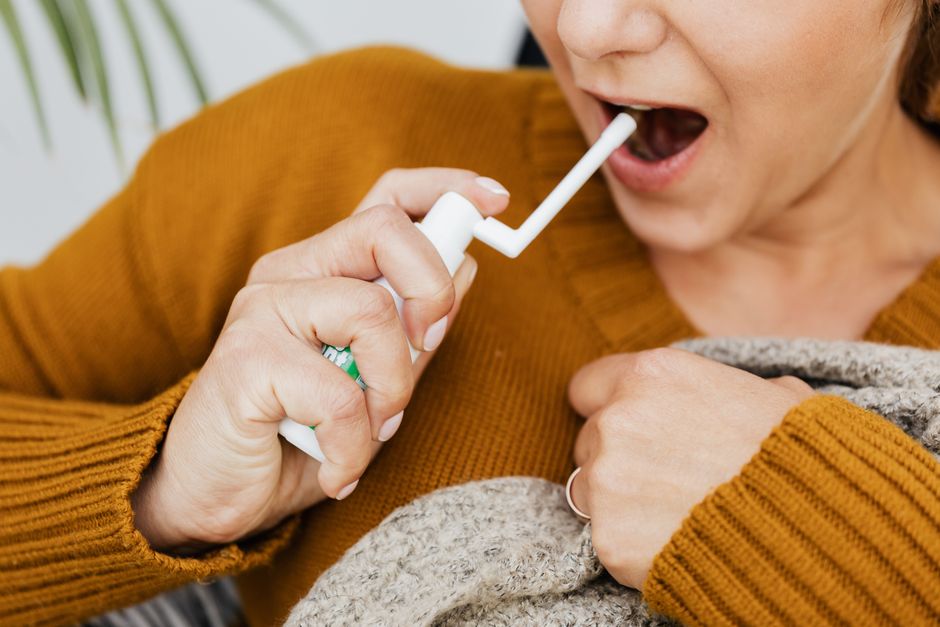
A sore nose inside is a common annoyance. Whether it comes from a cold, allergies, dry air, or too much nose blowing, the pain and rawness can make everyday life uncomfortable. The good news is that most inner nose soreness can be managed at home with simple, safe remedies. The first step is to keep the inside of your nose moist and protected. Using a saline spray, applying a thin layer of petroleum jelly, and running a humidifier are the most effective ways to soothe the pain and help the skin heal.
What Causes a Sore Nose Inside?
Understanding the cause helps you choose the right remedy. The inside of your nose is lined with a delicate mucous membrane. When this membrane becomes irritated or damaged, it feels raw and painful.
The most common cause is frequent nose blowing during a cold or flu. The friction and pressure from tissues can strip away the natural moisture and protective oils. Allergies cause a similar problem because they lead to constant sneezing and a runny nose.
Dry air is another major culprit. This is especially true in winter when indoor heating lowers humidity levels. Dry air dries out the nasal lining, making it crack and bleed easily. Other causes include picking the nose, using nasal decongestant sprays for too long, or breathing in harsh chemicals or dust.
How To Soothe A Sore Nose Inside Simple Remedies
The core of treating an internal sore nose is restoring moisture and reducing friction. The following remedies are safe for most adults and are supported by standard clinical practice.
Saline nasal spray or rinse. Saline is just salt water. It is not a medication. It works by adding moisture back to the dry nasal lining and gently washing away irritants, crusts, and dried mucus. You can buy a sterile saline spray at any pharmacy. You can also make a simple rinse at home using distilled or boiled water and salt, but a store-bought spray is more convenient and guaranteed to be sterile.
Petroleum jelly. A very thin layer of plain petroleum jelly (like Vaseline) applied to the inside edge of the nostrils can protect the skin and trap moisture. Use a clean cotton swab to apply it gently. Do not stick the swab deep into the nose. It is meant for the area just inside the nostril opening. Avoid using it right before you lie down to sleep, as there is a small risk of inhaling it into the lungs over time. Some clinicians recommend using it only during the day or a few hours before bed.
Use a humidifier. A cool-mist humidifier in your bedroom adds moisture to the air. This directly prevents the nasal lining from drying out overnight. Keeping the humidity in your home between 30% and 50% is generally considered comfortable for nasal health. Clean the humidifier regularly to prevent mold and bacteria growth.
Switch to soft tissues. If you are blowing your nose frequently, the type of tissue matters. Rough, textured tissues increase friction. Use soft, lotion-infused tissues and blot your nose gently rather than rubbing it hard.
Stay hydrated. Drinking enough water helps keep all your mucous membranes, including the nasal lining, hydrated. There is no specific amount that will cure a sore nose, but maintaining normal daily hydration supports the body’s natural healing.
When to Use Medicated Nasal Gels
If plain moisturizers are not enough, you can consider over-the-counter nasal gels. These products are specifically designed for dry, irritated noses. They often contain ingredients like glycerin, sodium hyaluronate, or carboxymethylcellulose. These act as moisturizers and create a protective barrier over the raw skin.
These gels are applied with a finger or an applicator tip. They are generally safe for short-term use. However, you should read the label carefully and follow the instructions. If you have a known allergy to any of the ingredients, avoid them.
Some people use antibiotic ointments like bacitracin or mupirocin on a sore nose. This is a common practice, but it is not always necessary. Antibiotics treat bacterial infections, not dryness. Using them without a sign of infection contributes to antibiotic resistance. If you see yellow crusting, pus, or spreading redness, that may indicate a bacterial infection, and you should see a doctor rather than self-treat.





Signs of Infection or Something More Serious
Most sore noses heal on their own within a few days. But sometimes the problem is not simple dryness. You should see a healthcare provider if you notice any of the following:
- Pain that gets worse after several days of home care
- Swelling or redness that spreads to the outside of the nose or upper lip
- Yellow or green discharge that is thick and persistent
- Recurrent nosebleeds that are hard to stop
- Fever
- A sore that does not heal within two weeks
These symptoms could point to a bacterial infection such as nasal vestibulitis, or in rare cases, a more serious condition. Nasal vestibulitis is an infection of the hair follicles just inside the nose. It is treatable but usually requires a prescription antibiotic ointment.
Deep facial pain, especially around the eyes or forehead, could indicate sinusitis. Sinusitis often requires different treatment, including possibly oral antibiotics. Do not assume a sore nose is the same as a sinus infection.
What Not to Do
Certain common habits make a sore nose worse. Avoiding these is just as important as using the right remedies.
Do not use decongestant sprays for more than three days. Sprays like oxymetazoline (Afrin) shrink blood vessels to relieve congestion. Using them longer than three days can cause rebound congestion, where your nose gets even more blocked. This leads to more blowing and more irritation. The evidence for this “rebound effect” is well established.
Do not pick or rub the inside of your nose. Picking removes the protective crust that is forming and introduces bacteria from your fingers. This increases the risk of infection. It also delays healing.
Avoid smoking and secondhand smoke. Smoke is a direct irritant to the nasal lining. It dries out the tissue and slows down the healing process.
Do not apply essential oils directly to the skin inside the nose. Essential oils like tea tree, eucalyptus, or peppermint are highly concentrated. Applying them undiluted to the delicate nasal lining can cause chemical burns and severe irritation. Some people add a drop to a bowl of steaming water for inhalation, but direct application to the skin inside the nose is not safe.
How Long Does Healing Take?
With consistent moisture and protection, mild soreness inside the nose usually improves within two to three days. If the skin has cracked or formed a scab, it may take up to a week to fully heal. The healing time depends on the severity of the irritation and whether you can stop the aggravating behavior, such as frequent blowing.
If you have an underlying condition like chronic allergies, the soreness will likely return until the allergy is managed. Treating the root cause, such as taking an antihistamine or avoiding a specific allergen, is necessary to prevent recurrence.
It is important to note that if you are using a home remedy and see no improvement after a week, you should stop guessing and see a doctor. Persistent sores can occasionally be a sign of an autoimmune condition or, very rarely, skin cancer. These are uncommon, but they are why the “two-week rule” exists. Any sore that has not healed after two weeks warrants a professional evaluation.
Frequently Asked Questions
Can I put Vaseline inside my nose?
Yes, you can apply a thin layer of plain petroleum jelly just inside the nostrils with a clean cotton swab. Avoid using it heavily right before lying down, as there is a small risk of inhaling it into the lungs.
Is it safe to use a saline spray every day?
Yes, saline spray is safe for daily use because it contains no medication. It simply moisturizes and cleanses the nasal passages without the risk of rebound congestion.
Why does the inside of my nose hurt when I breathe?
Dry air is the most common reason breathing feels painful when your nose is sore. The inhaled air dries out the already irritated nasal lining, causing a sharp, stinging sensation.
When should I see a doctor for a sore nose?
See a doctor if the soreness lasts longer than a week, if you see spreading redness or swelling, if you have a fever, or if the sore has not healed after two weeks. These signs may indicate an infection or another condition that needs medical treatment.
