
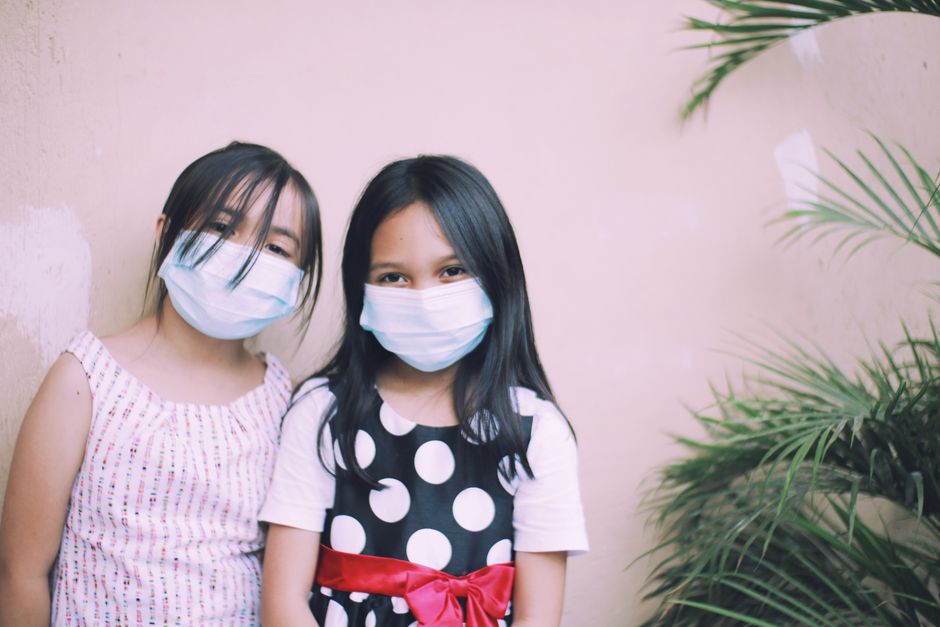
Making a face mask for a child is not the same as scaling down an adult pattern. Kids’ faces are smaller, their skin is more sensitive, and a mask that does not fit well will not protect them or anyone else. The goal is a snug fit that covers the nose and mouth without gaps, using materials that are breathable and comfortable for extended wear. This guide walks through the process based on current recommendations from public health authorities and textile research.
What Materials Do You Need to Make a Face Mask for Kids?
Start with 100% cotton fabric. Cotton is breathable, which matters because children have higher breathing rates than adults. A tightly woven cotton, like quilting cotton or cotton bedsheets, offers a good balance of filtration and airflow. Avoid knit fabrics like t-shirts, as they stretch and create gaps around the edges.
You will also need two layers of fabric. The CDC recommends multilayer cloth masks for the general public. For kids, two layers of tightly woven cotton are sufficient. Three layers can make breathing harder for a child, and if the child removes the mask because it is uncomfortable, it provides zero protection.
Other materials include elastic cord or fabric ties, a sewing needle and thread or a sewing machine, scissors, and a ruler. If using elastic, choose a soft, narrow elastic (1/4 inch wide) to avoid irritating the skin behind the ears. Fabric ties made from bias tape are a good alternative for children with sensitive ears.
How To Make A Face Mask For Kids Step By Step Using a Simple Pattern
First, cut two rectangles of cotton fabric. For a child aged 2 to 6 years, aim for 6 inches wide by 4 inches tall. For a child aged 7 to 12, use 7 inches wide by 5 inches tall. These dimensions allow for seams and a comfortable fit. Always measure the child’s face from the bridge of the nose to below the chin and from ear to ear to adjust the pattern.
Place the two rectangles on top of each other with the printed sides facing inward. Sew along the long edges, leaving the short ends open. Turn the fabric right side out so the seams are hidden. Press the mask flat with an iron. This creates a clean, finished edge.
Next, create pleats. Fold the mask into three horizontal pleats, each about half an inch deep. The pleats allow the mask to expand when the child talks or breathes. Pin the pleats in place and sew along both short edges to secure them. The pleats should open downward so moisture does not pool inside.
Attach the ear loops or ties. Cut two pieces of elastic, each about 6 to 7 inches long for a child. Fold each end of the elastic over the edge of the mask by half an inch and sew securely. If using fabric ties, cut two 12-inch strips and sew them to each corner. The ties go around the head, not the ears, which can be more comfortable for some children.
What Is the Best Fit for a Child’s Face Mask?
A good fit means no gaps. Research published by the American Journal of Infection Control found that poorly fitted masks reduce filtration efficiency by more than 50 percent. To check the fit, have the child put the mask on and press gently on the edges. If you feel air escaping near the nose or cheeks, the mask is too loose.
The mask should cover from the bridge of the nose to just under the chin. It should also extend from ear to ear without pulling the skin taut. If the mask rides up into the eyes or slips below the nose when the child talks, the pattern needs adjustment. A nose wire can help. Insert a thin piece of flexible wire, like a pipe cleaner or twist tie, into a small pocket sewn at the top edge. Pinch the wire over the nose for a custom fit.
Children under two years old should not wear masks due to suffocation risk, according to the American Academy of Pediatrics. For toddlers between two and five, masks should only be worn under direct adult supervision. If the child cannot keep the mask on or touches their face constantly, a mask is not appropriate.
| Age Group | Fabric Size (inches) | Elastic Length (inches) | Pleat Depth (inches) |
|---|---|---|---|
| 2–6 years | 6 x 4 | 6 | 0.5 |
| 7–12 years | 7 x 5 | 7 | 0.5 |
| 12+ years | Adult size | Adult size | 0.5–0.75 |





Does Adding a Filter Layer Improve Protection for Kids?
Some adult mask patterns include a pocket for a disposable filter, like a HEPA vacuum bag or a polypropylene fabric. For children, the benefit is unclear. A study in JAMA Pediatrics noted that adding a filter layer can increase breathing resistance, which may be problematic for children with asthma or other respiratory conditions.
If you choose to add a filter pocket, use a third layer of fabric sewn to the inside of the mask. The pocket should be open at one end so the filter can be removed and replaced. Do not use materials that are not designed for breathing, like paper towels or coffee filters, as they can shed fibers and do not improve filtration meaningfully.
The most important factor remains fit. A three-layer mask with a filter that has gaps around the nose is less effective than a well-fitted two-layer cotton mask. For everyday use in low-risk settings, two layers of tightly woven cotton are adequate for children.
How Do You Wash and Care for a Kids’ Face Mask?
Cloth masks need regular washing. The CDC recommends washing after each use. For children, this means having multiple masks available so one can be worn while others are being laundered. Wash masks in hot water with regular laundry detergent. A hot dryer cycle or ironing after drying kills any remaining germs.
Check the mask after washing. Elastic can stretch out over time, and seams can loosen. If the mask no longer fits snugly, discard it and make a new one. Children’s faces grow quickly, so a mask that fit last month may be too small now. Re-measure the child’s face every few weeks.
Do not use bleach or fabric softener. Bleach can irritate a child’s skin, and fabric softener coats the fibers, reducing breathability. If the mask smells musty or looks stained, replace it. A mask that is worn out cannot provide the intended protection.
What Are Common Mistakes When Making Masks for Kids?
One common mistake is using fabric that is too thick. Denim, canvas, and multiple layers of flannel make breathing difficult. Children will pull off a mask they cannot breathe through. Stick to lightweight, breathable cotton.
Another mistake is making the ear loops too tight. Elastic that is too short will pull the mask against the ears, causing pain and red marks. The child will constantly adjust the mask, defeating the purpose. Test the elastic length before cutting by looping a piece around the child’s ear and checking that it is snug but not tight.
Some people skip the nose wire. This is a missed opportunity for a better fit. A nose wire prevents the mask from slipping down and reduces fogging on glasses. For children who wear glasses, a nose wire is especially helpful.
Finally, do not assume one pattern fits all children. Face shapes vary. A pattern that works for one six-year-old may be too wide or too narrow for another. Take the time to measure and test the fit before sewing multiple masks.
Frequently Asked Questions
What type of fabric is best for a kids’ face mask?
100 percent tightly woven cotton is best. It balances breathability with filtration.
How do I measure my child’s face for a mask?
Measure from the bridge of the nose to below the chin and from ear to ear. Add half an inch for seams.
Can I use a bandana instead of a sewn mask?
Bandanas do not provide a snug fit and are not recommended. A sewn mask with pleats fits better.
How often should I replace a homemade kids’ mask?
Replace the mask when it no longer fits snugly, shows wear, or after about 30 washes.
