
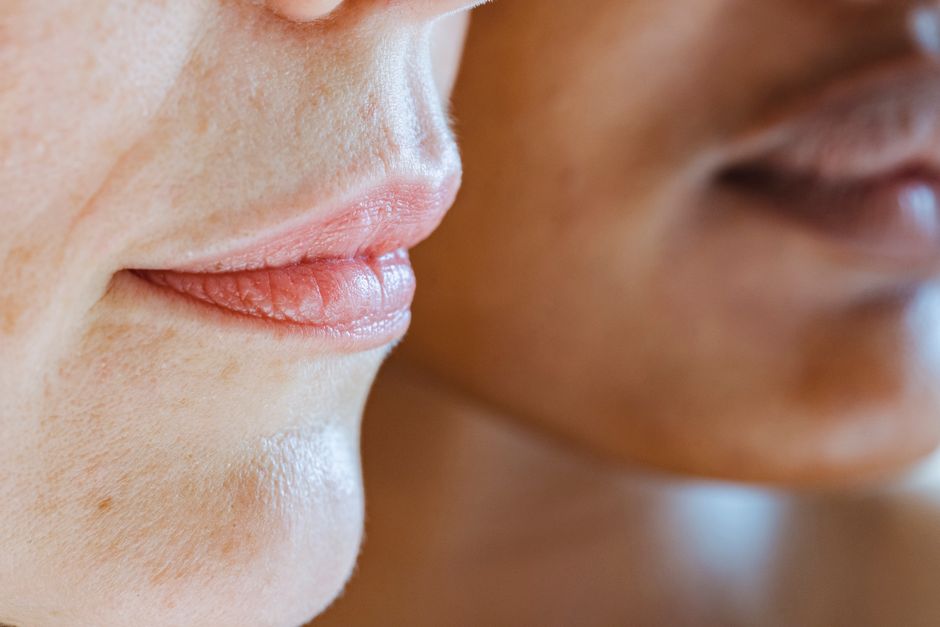
Peach fuzz — those fine, light-colored hairs on your face — is completely normal. If you want to remove it, the most effective methods are dermaplaning, facial hair removal creams (depilatories), and gentle shaving with a facial razor. Each works differently, and the right choice depends on your skin type, pain tolerance, and how much time you want to spend. Below is what the evidence actually says about each option, what to avoid, and what you need to know before you start.
What Exactly Is Peach Fuzz and Why Do People Remove It?
Peach fuzz has a medical name: vellus hair. Unlike the thicker, darker terminal hair on your scalp or eyebrows, vellus hair is short, soft, and usually barely visible. It covers most of your body, including your face. Everyone has it. The amount varies by genetics, hormones, and age.
People remove peach fuzz for two main reasons. One is cosmetic — makeup can sit more smoothly on skin without fine hairs. The other is texture. Some people simply prefer the feel of smoother skin. Neither reason is medically necessary. The American Academy of Dermatology does not list peach fuzz removal as a health concern. It is a personal choice.
A common myth is that removing peach fuzz causes it to grow back thicker or darker. Research shows this is false. A 2018 review in the Journal of the American Academy of Dermatology confirmed that shaving or cutting hair does not change its thickness, color, or growth rate. What happens is that the blunt tip of a regrowing hair feels coarser than the naturally tapered tip of an uncut hair. The hair itself is not different.
What Are the Best Methods for Removing Peach Fuzz?
There are four main approaches. Each has strengths and downsides. No single method works best for everyone.
| Method | How It Works | Results Last | Pain Level | Best For |
|---|---|---|---|---|
| Dermaplaning | Professional or at-home blade exfoliates skin and cuts hairs | 2-4 weeks | None | Dry or normal skin; those wanting exfoliation too |
| Facial razor | Small blade trims hair at skin surface | 1-3 weeks | None | Most skin types; quickest option |
| Depilatory cream | Chemicals dissolve hair just below skin surface | 1-2 weeks | Mild sting possible | Sensitive skin if patch-tested first |
| Threading or tweezing | Twisted thread or tweezers pull hair from follicle | 2-5 weeks | Mild to moderate | Small areas; thicker hairs |
Dermaplaning is the most popular professional option. A licensed esthetician uses a sterile scalpel to gently scrape off dead skin and vellus hair. The American Society of Plastic Surgeons reports that dermaplaning is a low-risk procedure when done by a trained professional. At-home dermaplaning tools exist and are generally safe if used carefully on clean, dry skin. The risk is cutting yourself if you press too hard or use a dull blade.
Facial razors are the simplest method. They look like small eyebrow razors. You use short, light strokes in the direction of hair growth. This method works quickly and costs very little. The downside is that regrowth feels stubbly for a few days, though it is not actually thicker.
Depilatory creams use chemicals like calcium thioglycolate to break down hair proteins. The FDA regulates these as cosmetics, not drugs, meaning they are not tested for safety or effectiveness before going on the market. A patch test on a small area of skin 24 hours before full use is essential. Some people experience chemical burns or allergic reactions even with products labeled “sensitive skin.”
Threading and tweezing remove the entire hair from the follicle. This takes longer to grow back but can be painful. These methods are better for thicker or darker hairs than for fine vellus hair. For peach fuzz specifically, threading or tweezing every single hair is impractical for most people.
Does How To Get Rid Of Peach Fuzz On Face Actually Work Long-Term?
None of these methods permanently remove peach fuzz. Vellus hair grows back because the hair follicle remains intact. The only method that can permanently reduce hair growth is laser hair removal or electrolysis, and those work best on dark, coarse hair — not fine, light vellus hair.
A 2020 study in the Journal of Cosmetic Dermatology found that laser hair removal was significantly less effective on light-colored or fine hair because the laser targets melanin (pigment) in the hair shaft. Vellus hair often has little to no pigment. Electrolysis, which uses a tiny needle to destroy each follicle individually, can work on any hair color but is time-consuming, expensive, and painful for large areas like the full face.
For most people, the practical answer is regular maintenance every 1 to 4 weeks. Dermaplaning or shaving with a facial razor every two to three weeks keeps skin smooth. This is not a failure of the method — it is how hair growth works. The same applies to leg shaving, eyebrow waxing, or any other hair removal routine.





What Are the Side Effects and Risks You Should Know?
Every hair removal method carries some risk. The most common side effects are minor and temporary.
- Irritation and redness: Most common with shaving and depilatory creams. Usually fades within a few hours. Using a gentle moisturizer afterward helps.
- Ingrown hairs: More likely with threading or tweezing because the hair is pulled from below the skin surface. Exfoliating gently a few times a week reduces this risk.
- Cuts and nicks: Possible with dermaplaning or facial razors, especially on uneven skin like around the nose or chin. Using a fresh, sharp blade and light pressure minimizes this.
- Chemical burns: A real risk with depilatory creams. The FDA has received reports of burns, blisters, and skin peeling. Always follow the product’s timing instructions exactly. Never leave the cream on longer than directed.
- Infection: Rare if you use clean tools and clean skin. Do not share razors or dermaplaning blades with anyone.
If you have active acne, eczema, rosacea, or any skin infection, avoid removing peach fuzz until your skin heals. Shaving over active breakouts can spread bacteria and worsen acne. The American Academy of Dermatology advises waiting until breakouts are fully cleared before any hair removal on affected areas.
What Should You Avoid When Removing Peach Fuzz?
Some popular advice is not backed by evidence. Here is what to skip.
Do not use body razors on your face. Men’s multi-blade razors or standard leg razors are too aggressive for facial skin. They increase the risk of cuts, irritation, and razor burn. Use a tool designed specifically for the face.
Avoid waxing for peach fuzz. Waxing removes hair from the root, which can cause more pain, redness, and ingrown hairs than necessary for fine vellus hair. It also removes a layer of skin cells, which can irritate sensitive facial skin. Waxing is better suited for thicker hair on eyebrows or upper lip.
Do not believe “hair growth inhibitors.” Many products claim to slow regrowth after hair removal. The FDA does not recognize any topical ingredient as proven to permanently reduce hair growth. Some ingredients, like eflornithine (Vaniqa), have been studied and can slow facial hair growth in women, but this is a prescription cream for excessive hair growth — not for typical peach fuzz. Over-the-counter “inhibitors” have not been shown to work in peer-reviewed studies.
Do not over-exfoliate. Some people think scrubbing harder will prevent ingrown hairs. In reality, aggressive exfoliation damages the skin barrier and can make irritation worse. Gentle chemical exfoliants like lactic acid or salicylic acid once or twice a week are enough.
How Do You Choose the Right Method for Your Skin?
Your skin type matters more than the method itself. Here is a simple guide.
Dry or normal skin: Dermaplaning works well because it exfoliates while removing hair. The combination leaves skin smoother and helps moisturizers absorb better.
Oily or acne-prone skin: Facial razors are safest. Avoid depilatory creams and waxing, which can irritate pores. Keep your skin clean before and after shaving.
Sensitive skin: Dermaplaning by a professional is the gentlest option. If you try at-home methods, patch-test everything first. Avoid depilatory creams — they have the highest risk of reaction for sensitive skin.
Mature skin (50+): Dermaplaning is popular among older adults because it also removes dead skin cells, which can make fine lines less noticeable. A 2016 study in the Journal of Clinical and Aesthetic Dermatology found that dermaplaning improved skin texture and radiance in participants over 50. The effect was temporary but noticeable.
If you are unsure, start with the least invasive method: a facial razor. It costs under ten dollars, takes two minutes, and has the lowest risk of side effects. If you like the result, you can explore professional dermaplaning later. If you do not like it, the hair grows back in a week or two — no permanent change.
Frequently Asked Questions
Does shaving peach fuzz make it grow back thicker?
No. Research has repeatedly shown that shaving does not change hair thickness, color, or growth rate. The blunt tip of regrowing hair feels coarser, but the hair itself is the same.
Can I use a regular razor on my face?
It is not recommended. Body razors are too harsh for facial skin and increase the risk of cuts and irritation. Use a small facial razor or seek professional dermaplaning instead.
How often should I remove peach fuzz?
Most people need to repeat the process every one to four weeks, depending on the method. Dermaplaning and shaving typically last two to three weeks before regrowth is noticeable.
Is it safe to remove peach fuzz if I have acne?
No. Wait until active breakouts are fully healed. Shaving or dermaplaning over acne can spread bacteria and worsen inflammation. The American Academy of Dermatology recommends waiting.
