
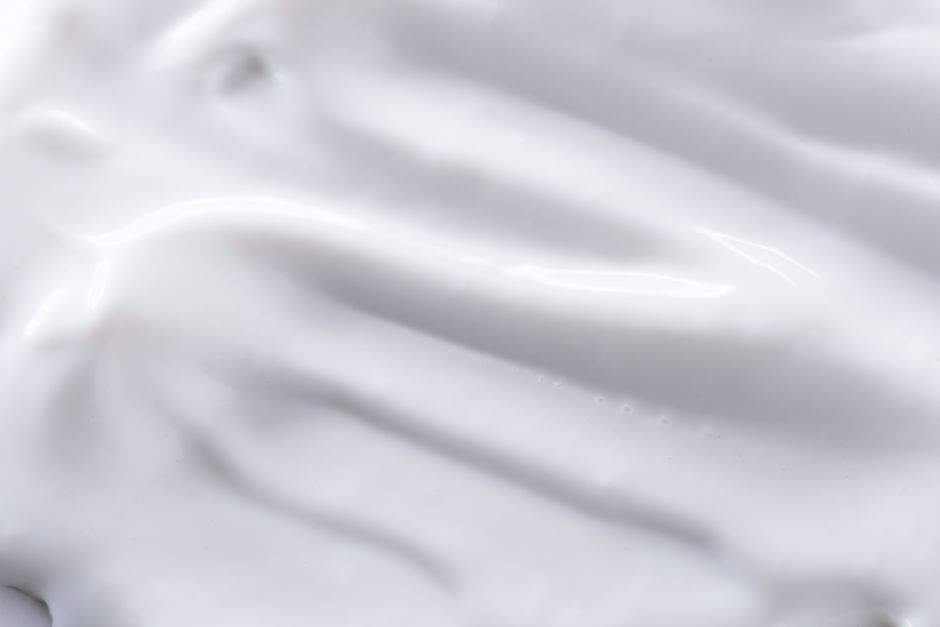
A baking soda paste is simply three parts baking soda mixed with one part water. Stir it until it forms a thick, spreadable paste with a consistency similar to frosting or wet sand. This simple mixture is a common home remedy for insect bites, minor skin irritation, and surface cleaning, though its effectiveness varies depending on the use.
What Is the Exact Ratio for Baking Soda Paste?
The standard ratio is 3 parts baking soda to 1 part water. This creates a paste that is thick enough to stay where you put it but moist enough to spread easily.
For a small area like a single insect bite, start with 1 tablespoon of baking soda and 1 teaspoon of water. For a larger area, use 3 tablespoons of baking soda and 1 tablespoon of water. Add water a few drops at a time if the mixture seems too dry and crumbly.
The paste should hold its shape when you scoop it with a spoon. If it drips or runs, you have added too much water. If it cracks and falls apart, add a tiny bit more water.
How To Make A Baking Soda Paste for Skin Use
Making a paste for your skin follows the same basic steps but requires attention to cleanliness. Wash your hands first. Use a clean small bowl and a clean spoon.
Measure the baking soda and water. Mix until smooth. There should be no dry lumps remaining. Apply a thin layer to the affected area. Leave it on for 10 to 15 minutes, then rinse with cool water and pat the skin dry.
Do not leave baking soda paste on the skin for extended periods. Prolonged contact can disrupt the skin’s natural acid barrier and cause dryness or irritation.
Do not apply baking soda paste to broken skin, open wounds, or severe burns. The paste is not sterile, and applying it to damaged skin increases the risk of infection.
Does Baking Soda Paste Work for Bug Bites?
Baking soda paste is a traditional remedy for insect bites and stings. The theory is that baking soda neutralizes the acidic compounds in insect venom or saliva that trigger itching and swelling.
Some research suggests this may help. The evidence is largely based on traditional use and small studies rather than large clinical trials. For mild mosquito bites, the paste may reduce itching for some people. For bee stings, the benefit is less clear because bee venom contains multiple components, not all of which are neutralized by baking soda.
If the paste does not relieve itching within 20 to 30 minutes, it likely will not help. Consider an over-the-counter hydrocortisone cream or an oral antihistamine instead. These have stronger evidence for reducing insect bite reactions.
Seek medical care if a bite causes significant swelling, difficulty breathing, dizziness, or signs of infection like spreading redness, warmth, or pus.



Can You Use Baking Soda Paste for Sunburn?
Baking soda paste is sometimes recommended for sunburn relief. The paste can provide a cooling sensation, which may temporarily soothe the skin.
However, the evidence for baking soda paste on sunburn is limited. Cool compresses, cool baths, and plain moisturizers have more consistent support for sunburn relief. Aloe vera gel is also widely used and has some evidence for soothing sunburned skin.
If you choose to try baking soda paste on a sunburn, apply it gently and rinse it off after a short time. Sunburned skin is already damaged. Rubbing or scrubbing it can cause further injury. If blisters are present, do not apply baking soda paste. Keep the area clean and dry and allow blisters to heal on their own.
Is Baking Soda Paste Safe for Your Skin?
Baking soda is alkaline with a pH around 8.3. Your skin’s natural surface pH is slightly acidic, typically between 4.5 and 5.5. Applying an alkaline substance can temporarily disrupt your skin’s acid mantle.
For most people, a single short application is harmless. The skin usually recovers its normal pH within a few hours. But people with sensitive skin, eczema, or active skin conditions may experience increased redness, stinging, or dryness.
If you feel burning or stinging after applying the paste, rinse it off immediately. Do not use baking soda paste as a daily skincare product. It is not a cleanser or a moisturizer. It is a short-term remedy for specific situations.
Pregnant women can use baking soda paste on their skin in the same way as anyone else. Baking soda applied to the skin is not absorbed in significant amounts. However, baking soda should never be taken internally during pregnancy or at any other time without medical supervision.
Baking Soda Paste for Cleaning: What It Can and Cannot Do
Baking soda paste is a useful mild abrasive cleaner. Its fine crystals provide gentle scrubbing power without scratching most surfaces. It works well on sinks, countertops, stovetops, and bathtubs.
The paste also reacts with mild acids like vinegar or lemon juice to create carbon dioxide bubbles. This foaming action can help lift grime from surfaces. However, mixing baking soda and vinegar in a closed container is dangerous because the gas pressure can cause the container to burst.
Baking soda paste does not disinfect. It cleans by physical abrasion, not by killing germs. If you need to disinfect a surface, use a registered disinfectant or a bleach solution after cleaning with the paste.
Do not use baking soda paste on aluminum cookware, marble, or other porous natural stone. The abrasive action can scratch these surfaces. It is also not suitable for cleaning glass, which can develop fine scratches over time.
For cleaning, a slightly thinner paste is often easier to work with. Mix 2 parts baking soda to 1 part water for a spreadable cleaning paste. Apply it with a sponge or cloth, scrub gently, and rinse thoroughly.
How Long Can You Store Baking Soda Paste?
Mix only what you need for immediate use. Baking soda paste does not store well. It dries out quickly, and once it dries, it loses its paste consistency.
Storing the paste in a sealed container in the refrigerator may keep it usable for a few days. But the paste can absorb odors from the refrigerator, and there is no evidence that stored paste remains effective for skin use.
If the paste dries out, you can add a few drops of water and stir to restore the consistency. However, for skin applications, it is safer and more hygienic to mix a fresh batch each time.
When Baking Soda Paste Is Not the Answer
Baking soda paste is not a treatment for fungal infections, bacterial skin infections, or acne. There is no clinical evidence that it cures or effectively treats these conditions.
Do not use baking soda paste on chickenpox, shingles, or cold sores unless a doctor has specifically recommended it. These conditions involve viral infections, and the paste does not address the underlying cause.
Baking soda paste should never be used in the eyes, ears, nose, or mouth. If the paste gets into the eyes, rinse with plenty of clean water for at least 15 minutes and seek medical attention.
Swallowing baking soda is not the same as using it on the skin. Ingesting baking soda can cause serious side effects including electrolyte imbalances and stomach rupture. Never consume baking soda paste.
For persistent skin problems, see a doctor or dermatologist. A recurring rash, unexplained itching, or a sore that does not heal needs proper evaluation. Home remedies like baking soda paste can provide temporary comfort, but they do not replace medical diagnosis.
Frequently Asked Questions
How long should I leave baking soda paste on my skin?
Leave it on for 10 to 15 minutes, then rinse with cool water.
Can I use baking soda paste on my face?
Facial skin is more sensitive than body skin, so use extra caution and rinse it off sooner if you feel any stinging.
Does baking soda paste work on bee stings?
The evidence is limited, and it may not help because bee venom contains multiple components that baking soda does not fully neutralize.
Can I add essential oils to baking soda paste?
You can, but essential oils can irritate skin and are not necessary for the paste to work.
