
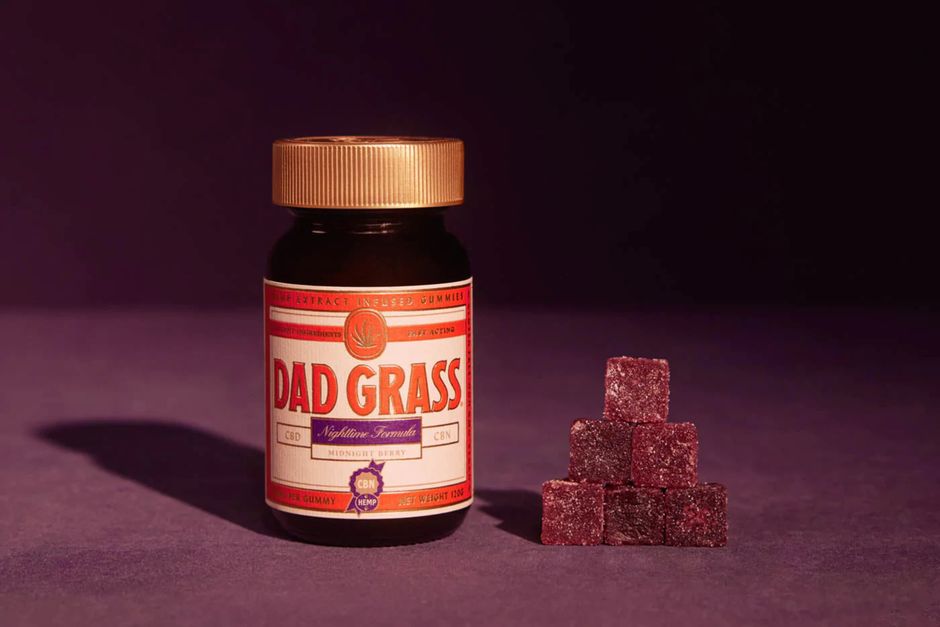
Edibles are not like smoking or vaping. When you smoke cannabis, effects typically begin within seconds to a few minutes. When you eat it, the same compounds have to travel through your digestive system first. Most people feel edibles start to work somewhere between 30 minutes and 2 hours after eating them. The full effect usually arrives later, often 2 to 4 hours after you take them. That delay is normal. It is also the reason edibles cause more accidental overconsumption than any other method.
Understanding why edibles take so long — and why the wait can vary so much from person to person — helps you avoid the most common and most unpleasant mistake: taking more because you think the first dose did not work.
How Long Do Edibles Take To Hit?
The short answer is 30 minutes to 2 hours for the first noticeable effects, with peak effects typically arriving 2 to 4 hours after eating.
The long answer involves digestion. When you swallow an edible, it passes through your stomach and into your small intestine. The active compounds in cannabis — THC and CBD — are absorbed there and then travel to the liver through the portal vein. The liver processes these compounds before they reach the rest of your bloodstream. This is called first-pass metabolism.
That liver processing changes things. It converts a portion of the THC into a different compound called 11-hydroxy-THC. This metabolite is more potent and crosses into the brain more easily than the THC you inhale. This is one reason edible effects feel different from smoked effects — often stronger, longer lasting, and more physical.
This entire process takes time. There is no way to speed it up once the edible is swallowed. Drinking water, eating food, or exercising will not make it hit faster.
Some people report feeling effects in as little as 20 minutes. Others feel nothing for 2 hours or more. Both are within the normal range.
Why Do Edibles Take Longer Than Smoking?
Smoking and vaping deliver THC directly to the lungs, where it enters the bloodstream almost immediately and reaches the brain within seconds. Edibles have to go through the entire digestive and liver process first.
The difference comes down to route of administration. Your lungs have a huge surface area and a rich blood supply designed for rapid gas exchange. Your digestive tract is built for breaking down food slowly and releasing nutrients over time. That is efficient for nutrition but slow for drug delivery.
The liver step adds another layer. Instead of THC reaching your brain directly, a significant portion gets converted to 11-hydroxy-THC first. This metabolite is estimated to be several times more potent than THC itself. The result is a delayed but often more intense experience.
This is not a flaw in edibles. It is simply how the body handles anything you swallow. The same delay applies to many oral medications.
What Factors Change How Fast Edibles Hit?
No two people absorb edibles at exactly the same rate. Several factors influence the timing and intensity.
- Stomach contents: Taking an edible on an empty stomach may lead to faster absorption. Taking it after a large meal may slow things down considerably. Some evidence suggests a fatty meal can increase THC absorption, but the timing effect is unpredictable.
- Metabolism: People with faster metabolisms may process edibles more quickly. Liver enzyme activity varies widely between individuals due to genetics, age, and other factors.
- Body composition: THC is fat-soluble and stored in body fat. People with more body fat may clear THC more slowly, which can extend the duration of effects.
- Liver function: Since the liver plays a central role in processing edibles, any condition that affects liver function could change how quickly and how strongly effects appear.
- Dose: A larger dose does not necessarily hit faster, but it will produce stronger effects once absorption occurs.
- Form of the edible: Some products are designed for faster absorption — for example, those made with nano-emulsified THC or taken as tinctures under the tongue. These may produce effects sooner than standard baked goods or gummies, though research comparing specific products is limited.
- Frequency of use: Regular cannabis users may develop tolerance, which can reduce the intensity of effects but does not necessarily change the timing.
The variability is real and can be significant. The same person can have different experiences with the same product on different days.



How Long Do Edible Effects Last?
Edible effects typically last longer than smoked effects. Most people feel the main effects for 4 to 6 hours, though some report effects lasting 8 hours or more, especially with higher doses.
The peak usually occurs around 2 to 4 hours after eating. After that, effects gradually decline as the liver and other tissues clear the active compounds. THC and its metabolites can be detected in the body for much longer than the subjective effects last — days in occasional users and weeks in heavy users, depending on the test and the person.
The long duration is another reason edibles are easy to overdo. If you take more at the 90-minute mark because you think the first dose did not work, you may end up with a double dose hitting at once when the original finally peaks.
This is the single most common edible mistake. It is also entirely preventable.
What Should You Do If an Edible Hits Too Hard?
If you have taken too much, the experience can be uncomfortable. You may feel anxious, panicky, dizzy, or nauseated. Your heart rate may increase. You may feel like the effects will never end.
Here is what is known about managing it:
- Remember that the effects are temporary. They will pass. Most people return to normal within several hours.
- Find a calm, safe environment. Reduce stimulation — dim lights, quiet surroundings, familiar people.
- Stay hydrated with water. Avoid alcohol and caffeine, which can worsen anxiety and heart rate.
- Do not take more cannabis to try to counteract the effects.
- If you experience severe symptoms — chest pain, difficulty breathing, severe confusion, or a feeling that you might hurt yourself — seek emergency medical care. These are uncommon with cannabis alone but can occur, especially if other substances are involved or if you have an underlying health condition.
There is no specific antidote for cannabis overdose. The medical approach is supportive care — keeping the person calm, safe, and monitored until effects subside. In severe cases, emergency providers may use medications to manage anxiety or other symptoms, but this is not routine.
No death from cannabis overdose alone has been confirmed in the medical literature. That does not mean edibles are risk-free. The main risks are psychological distress, accidental injury while impaired, and in rare cases, cannabis hyperemesis syndrome — a condition of repeated severe vomiting in long-term heavy users.
How Can You Use Edibles More Safely?
The most important rule is simple: start low and wait.
For people new to edibles, a common starting dose is 2.5 to 5 milligrams of THC. Even that can be too much for some people. Some clinicians suggest starting with 1 to 2.5 milligrams for first-time users. There is no universal correct dose — individual sensitivity varies widely.
Wait at least 2 hours before considering more. Some sources suggest waiting up to 4 hours, since peak effects can be delayed. If you feel nothing after 2 hours, you may choose to wait longer or take a small additional amount. Do not take a full second dose.
Other practical steps:
- Read the label carefully. Edibles can contain much more THC per serving than expected. A single cookie or brownie may contain multiple servings.
- Keep edibles out of reach of children and pets. Child poisoning from edibles has increased in states where cannabis is legal. If a child eats an edible, call Poison Control immediately.
- Avoid mixing edibles with alcohol or other drugs. This increases impairment and the risk of bad reactions.
- Do not drive or operate machinery after taking an edible, even if you feel fine. Impairment can be delayed and may not match how you feel.
- Store edibles securely and label them clearly so no one takes them by mistake.
If you are pregnant or breastfeeding, no clinical guidelines establish a safe amount of cannabis. Major medical organizations advise avoiding cannabis during pregnancy and breastfeeding. If you are considering cannabis for a medical condition, talk to your doctor. The evidence for most conditions is mixed, and edibles are not approved by the FDA for any medical use.
Why the Waiting Period Matters More Than Anything Else
The delay between eating an edible and feeling effects is not a design flaw. It is basic pharmacology. Your body has to digest, absorb, and metabolize the compounds before they reach your brain.
That waiting period is also the biggest reason people have bad experiences. The urge to take more when nothing happens yet is understandable. It is also the most common way people end up far higher than they intended.
Understanding the timeline — 30 minutes to 2 hours for onset, 2 to 4 hours to peak, 4 to 6 hours of main effects — gives you a realistic expectation. It also gives you a reason to be patient.
Edibles can be a predictable and long-lasting way to use cannabis when approached with accurate information. They can also be overwhelming when the timeline is ignored. The difference usually comes down to dose and patience.
Frequently Asked Questions
How long do edibles take to kick in?
Most people feel the first effects within 30 minutes to 2 hours after eating an edible. Peak effects typically arrive 2 to 4 hours after consumption.
Why did my edible not work after 1 hour?
One hour is often too early to judge whether an edible is working, because absorption and liver processing take time. Wait at least 2 hours before considering more.
How long do edible highs last?
Most people feel the main effects for 4 to 6 hours, though higher doses can last 8 hours or longer. The peak usually occurs around 2 to 4 hours after eating.
What should I do if I took too much edible?
Stay calm, move to a quiet and safe space, drink water, and avoid alcohol or caffeine. If you have severe symptoms like chest pain or difficulty breathing, seek emergency medical care.
