
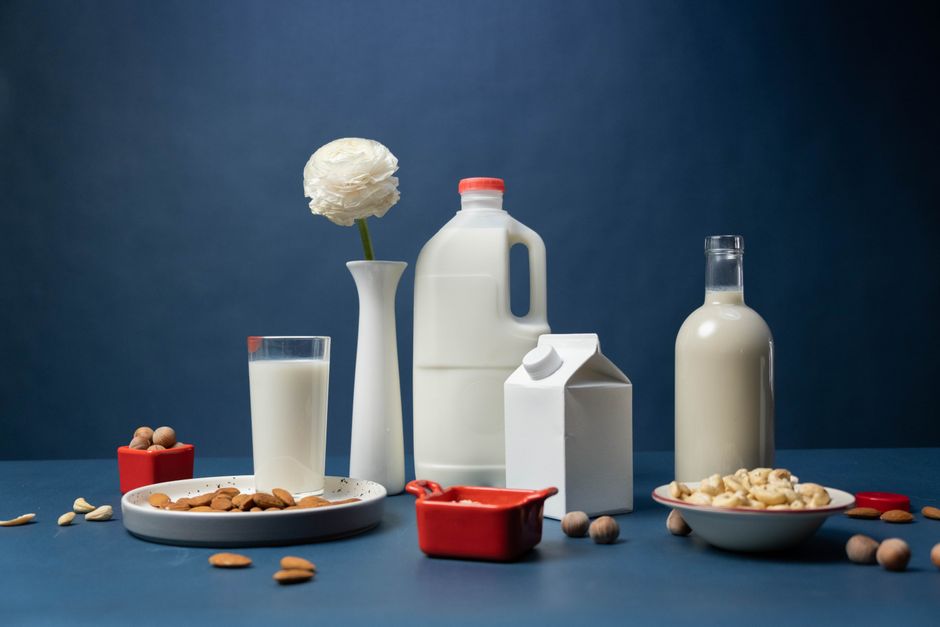
Two hours is the limit for milk left at room temperature, whether it is a carton of dairy milk or a bottle of formula. That rule comes from food safety guidance and it applies to whole milk, skim milk, and every type in between. Once that two-hour window closes, bacteria have had enough time to multiply to levels that can make you sick, and the milk needs to go.
What most people do not realize is that the two-hour rule is not about how the milk smells or tastes. Milk can look and smell completely normal and still be unsafe. The clock starts the moment milk leaves the refrigerator, not when you first notice it sitting out.
How Long Can You Leave Milk Out at Room Temperature?
Two hours is the hard limit. This is the standard food safety guidance for perishable foods, and milk is a perishable food in the most literal sense.
The reason comes down to what milk is. It is roughly 87 percent water, plus proteins, fats, carbohydrates, vitamins, and minerals. That combination makes it close to an ideal growth medium for bacteria. The bacteria that concern food safety experts grow fastest in the temperature range between 40°F and 140°F (4°C and 60°C). Food safety agencies call this the “danger zone.”
At room temperature, which usually falls somewhere in the middle of that range, bacteria can double in number roughly every 20 minutes under favorable conditions. Two hours gives them enough generations to reach levels that can cause illness in some people. That is why the limit exists.
If the room is warmer than usual, the window shrinks. At temperatures above 90°F (32°C), the guidance drops to one hour. A hot kitchen in summer, a car in the sun, or a picnic table in direct sunlight all qualify.
Does the Type of Milk Change the Time Limit?
No. The two-hour rule applies to all milk, regardless of fat content or processing method. Whole milk, 2 percent, 1 percent, skim, and lactose-free milk all follow the same timeline.
Ultra-pasteurized milk is a common source of confusion. UHT milk is heated to a higher temperature than regular pasteurized milk, which extends its shelf life in the refrigerator considerably. But once the carton is open and sitting at room temperature, the same bacterial growth dynamics apply. The extended shelf life is a refrigeration benefit, not a room-temperature one.
Plant-based milks like almond, soy, oat, and rice milk are a different category. They are not dairy, and their food safety profiles vary by product. Most manufacturers of plant-based milks advise refrigeration after opening and follow the same two-hour guidance for perishable beverages. Check the label on your specific product.
Raw milk is a separate issue entirely. It has not been pasteurized, which means it may already contain harmful bacteria like Salmonella, E. coli, and Listeria before it ever leaves the refrigerator. Public health agencies including the CDC and FDA advise against consuming raw milk, particularly for children, pregnant women, older adults, and anyone with a weakened immune system. The two-hour rule still applies, but the starting bacterial load is higher.
What About Baby Formula and Breast Milk?
Formula that has been mixed and left at room temperature should be used within two hours, and any leftover in the bottle should be discarded after that. This guidance comes from infant feeding authorities and is consistent across major pediatric organizations.
Breast milk is more forgiving but still has limits. Freshly expressed breast milk can generally stay at room temperature for up to four hours under clean conditions. That is longer than formula or cow’s milk because breast milk contains natural antimicrobial compounds. But this is not a reason to push the limit. If the room is warm, use it sooner.
Once a baby has started drinking from a bottle, the clock changes. Bacteria from the baby’s mouth enter the milk. Any bottle that has been partially fed should be used within one hour or discarded. This applies to both formula and breast milk.
No clinical guidelines currently exist for leaving milk out in extreme heat for infant feeding. When in doubt, discard it. The cost of throwing out a bottle is far lower than the cost of a sick infant.




Can You Put Milk Back in the Fridge After Two Hours?
No. Once milk has been out for two hours, putting it back in the refrigerator does not undo the bacterial growth that already happened. Cold temperatures slow bacterial growth, they do not reverse it.
This is one of the most common mistakes people make. A carton of milk sits on the counter during breakfast, someone notices it two and a half hours later, and back in the fridge it goes. That milk is now a risk.
The same logic applies to milk left in a hot car, on a counter near a stove, or in a lunchbox that sat in the sun. If the cumulative time out of refrigeration exceeds two hours, the milk should be discarded.
There is one nuance worth knowing. If milk was kept cold the entire time, such as in a cooler with ice, the two-hour clock does not apply the same way. The relevant factor is the temperature of the milk itself, not the clock alone. But once milk reaches room temperature, the two-hour window is what matters.
Does Smell or Taste Tell You If Milk Is Safe?
No. Smell and taste are not reliable indicators of safety. This is a point where common sense leads people astray.
The bacteria that make milk spoil and smell sour are not the same bacteria that cause foodborne illness. Spoilage bacteria are generally harmless, just unpleasant. Pathogenic bacteria like Listeria, Salmonella, and E. coli can be present without producing any off smell or taste.
This distinction matters. Milk that smells fine can still be unsafe. Milk that smells sour is definitely spoiled but may not be dangerous in the same way. The absence of a bad smell is not a green light.
A sour smell does tell you the milk is past its prime for drinking, cooking, or adding to coffee. But the two-hour rule is about safety, not quality. Those are separate questions.
What Happens If You Drink Milk Left Out Too Long?
Drinking milk that sat out too long can cause foodborne illness. The symptoms depend on which bacteria are present and how many were consumed.
Common symptoms include nausea, vomiting, stomach cramps, and diarrhea. These typically appear within hours to a few days after consumption, depending on the organism. Most healthy adults recover without medical treatment, but the experience is unpleasant and can be serious for some people.
Certain groups face higher risk of severe illness:
- Children under 5
- Adults over 65
- Pregnant women
- People with weakened immune systems
Listeria is a particular concern for pregnant women. Infection during pregnancy can lead to miscarriage, stillbirth, or serious illness in the newborn. This is why the two-hour rule is not a suggestion for this group, it is a firm guideline.
If you or someone in your household develops severe symptoms after consuming milk that may have been left out, contact a healthcare provider. Severe diarrhea, vomiting that prevents keeping fluids down, high fever, or signs of dehydration warrant medical attention.
How Should You Store Milk to Make It Last?
Keep milk in the refrigerator at 40°F (4°C) or below. This is the standard food safety recommendation and it applies to all perishable dairy products.
Where you put milk in the fridge matters more than most people realize. The door is the warmest part of the refrigerator because it is exposed to room temperature every time the door opens. Milk stored in the door will not stay as cold as milk stored on an interior shelf. Put it toward the back of a shelf instead.
Leave milk in its original container. Transferring it to a pitcher or open cup exposes it to more air and potential contamination. The original carton is designed to protect it.
Pay attention to sell-by dates but do not treat them as absolute. A sell-by date is a store inventory guideline, not a safety deadline. Milk stored properly can often remain safe past that date, while milk stored poorly can spoil before it.
For milk that will not be used within a few days, freezing is an option. Frozen milk stays safe indefinitely, though the texture may change slightly after thawing. Thaw it in the refrigerator, not on the counter.
Frequently Asked Questions
How long can milk sit out before it goes bad?
Milk should not be left at room temperature for more than two hours. If the temperature is above 90°F (32°C), the limit drops to one hour.
Can I put milk back in the fridge after two hours?
No. Once milk has been out for two hours, the bacteria that grew during that time remain, and refrigeration will not make it safe again.
Does spoiled milk smell always mean it is unsafe?
No. Harmful bacteria like Listeria and E. coli can be present without any noticeable smell or taste change. Smell is not a reliable safety test.
How long can breast milk stay at room temperature?
Freshly expressed breast milk can generally stay at room temperature for up to four hours under clean conditions. Once a baby has started feeding from the bottle, use it within one hour or discard it.
