
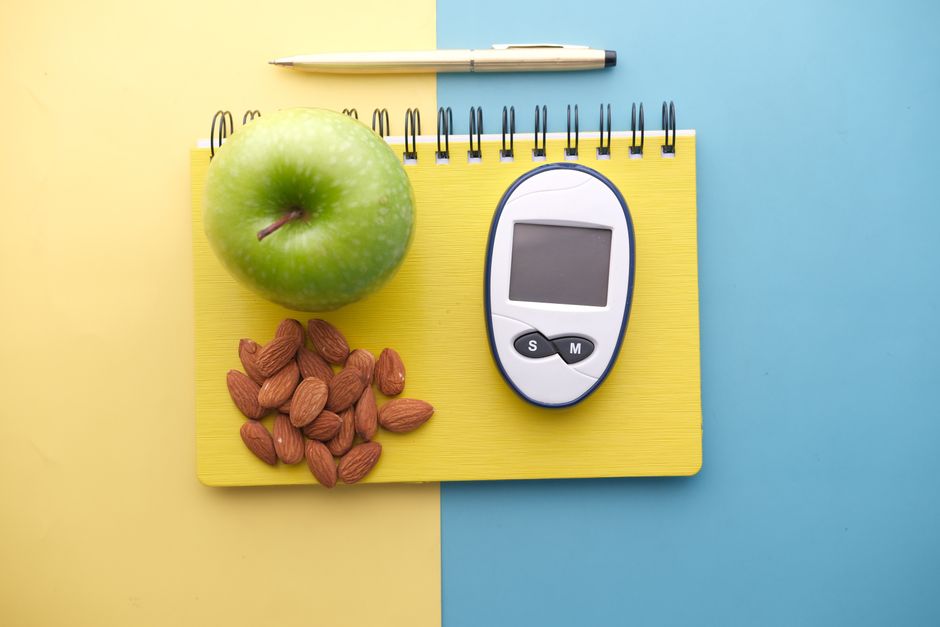
If your blood sugar is running high as bedtime approaches, a few simple steps can help bring it down before you sleep. The most effective approach combines light movement, drinking water, and avoiding any further food or sugary drinks. A short walk or some gentle stretching for 10 to 15 minutes can help your muscles absorb glucose without needing extra insulin. Drinking a glass of water helps your kidneys flush out excess sugar through urine. If your levels are only mildly elevated, these steps often work within an hour.
Why Does Blood Sugar Rise in the Evening?
Several normal body processes can push your blood sugar up as the day ends. The most common reason is what you ate for dinner, especially if that meal was heavy in refined carbohydrates like white rice, pasta, or bread.
Your liver also releases stored glucose overnight to keep your brain and body fueled while you fast. For some people, this natural release happens too early or too aggressively. This is called the dawn phenomenon when it occurs in the early morning hours, but a similar liver glucose release can happen in the evening for some people.
Stress hormones also play a role. Cortisol and adrenaline signal your liver to release glucose, which raises blood sugar. Evening stress — from work, family, or even an intense workout late in the day — can trigger this response.
How To Lower Blood Sugar Before Bed Tonight
Start by checking your blood sugar with your glucose meter. This tells you exactly where you stand. If your reading is above your target range but not dangerously high, the following steps can help.
Take a short walk. Physical activity makes your muscle cells more sensitive to insulin. Even 10 minutes of walking after dinner helps your muscles pull glucose out of your bloodstream. If walking outside is not possible, walk around your house or march in place.
Drink water. Dehydration concentrates your blood, which makes glucose readings appear higher. Water also helps your kidneys excrete excess glucose. Aim for one or two glasses over the course of an hour, not all at once.
Do not eat anything else. Any food, even a small snack, will raise your blood sugar further. If you are genuinely hungry, choose something with protein and fat only, like a few nuts or a slice of cheese. Avoid all carbohydrates and sugary drinks until morning.
Try gentle stretching or yoga. Light activity does not spike stress hormones the way intense exercise can. Gentle movement improves circulation and helps glucose reach your muscles without adding stress to your system.
What To Avoid Before Bed
Certain habits can sabotage your efforts to lower evening blood sugar. Knowing what to skip is just as important as knowing what to do.
Sugary drinks and desserts. A bedtime snack of cookies, ice cream, or sweetened tea will raise your blood sugar quickly. Liquid sugar absorbs faster than solid food, so sweet drinks are especially problematic.
Intense exercise. A vigorous workout within two hours of bedtime can trigger stress hormones that raise blood sugar. This effect varies from person to person. Some people see a drop after evening exercise; others see a rise. If you exercise late, check your glucose afterward to learn your personal response.
Alcohol. Beer, wine, and mixed drinks contain carbohydrates and can raise blood sugar initially. Later, alcohol can cause a dangerous drop in blood sugar while you sleep. This is especially risky for people taking insulin or sulfonylurea medications.
Stressful activities. Checking work email, having difficult conversations, or watching intense news before bed can raise cortisol levels. This stress response releases glucose from your liver. If you are trying to lower your blood sugar, protect your evening calm.


When To Use Medication Adjustments
If you take insulin or other diabetes medications, your doctor may have specific guidance for evening dosing. Some people on insulin need a small correction dose before bed when their glucose runs high. This is only safe if your healthcare provider has given you instructions for this exact situation.
Never guess at an insulin dose. Taking too much insulin at night can cause severe low blood sugar while you sleep, which is a medical emergency. If you do not have clear instructions from your doctor for evening correction doses, do not attempt this on your own.
Some oral diabetes medications work differently at night. Metformin, for example, does not usually cause low blood sugar and can be taken in the evening as prescribed. Sulfonylureas, however, can cause nighttime lows if your evening meal is lighter than usual.
If you find your blood sugar is consistently high before bed despite following your usual routine, talk to your doctor. You may need a medication adjustment, not a lifestyle change. Consistent evening highs can indicate that your current treatment plan needs review.
When High Blood Sugar Is an Emergency
Most evening blood sugar elevations are not emergencies. They are frustrating but manageable. However, very high readings can become dangerous quickly.
Blood sugar above 240 mg/dL requires extra caution. At this level, you should check your urine for ketones if you have been instructed to do so. Ketones indicate that your body is breaking down fat for fuel instead of using glucose, which can lead to a serious condition called diabetic ketoacidosis.
Seek emergency care immediately if you experience any of these symptoms along with high blood sugar:
- Difficulty breathing or deep, rapid breathing
- Nausea or vomiting
- Fruity-smelling breath
- Confusion or difficulty staying awake
- Severe abdominal pain
Do not try to manage these symptoms at home. Call emergency services or go to the nearest emergency room. These signs indicate your blood sugar problem has progressed beyond what home management can handle.
What Your Morning Reading Can Tell You
Your fasting blood sugar in the morning gives you important information about your overnight glucose control. A normal fasting glucose is between 70 and 99 mg/dL. A fasting level of 100 to 125 mg/dL indicates prediabetes. A fasting level of 126 mg/dL or higher on two separate tests indicates diabetes.
If you take steps to lower your evening blood sugar but still wake up with high readings, several patterns may explain this:
The dawn phenomenon happens when your body releases hormones in the early morning hours that raise blood sugar. This is a natural response, but in people with diabetes, the insulin response cannot keep up. Your morning reading will be higher than your bedtime reading.
The Somogyi effect is less common. This happens when your blood sugar drops too low overnight, and your body responds by releasing counter-regulatory hormones that push glucose up. Your morning reading is high, but the cause is actually an overnight low. This pattern requires medical evaluation to adjust your evening medication safely.
Tracking your bedtime and morning readings for several days can help you and your doctor identify which pattern applies to you. Bring this record to your next appointment.
Healthy Evening Habits for Long-Term Control
Lowering blood sugar tonight is important, but consistent evening habits matter more for your long-term health. Small daily routines can keep your blood sugar steadier around the clock.
Eat dinner earlier. A meal eaten at 6 p.m. gives your body more time to process glucose before bed than a meal eaten at 9 p.m. If your schedule allows, move your dinner earlier and keep your evening snack-free.
Balance your dinner plate. A meal with protein, healthy fat, and fiber slows glucose absorption. Vegetables, lean meat or fish, and a modest portion of whole grains digest more slowly than a meal heavy in refined carbohydrates.
Walk after dinner. A consistent post-meal walk of 10 to 15 minutes has been shown in research to improve post-meal blood sugar levels. Making this a daily habit can reduce your average glucose readings over time.
Keep a consistent sleep schedule. Poor sleep is linked to higher blood sugar and reduced insulin sensitivity. Going to bed and waking at the same time each day supports better glucose control. Most adults need seven to nine hours of sleep per night.
Stay hydrated throughout the day. Drinking water consistently keeps your blood volume normal and supports kidney function. Do not try to catch up on hydration right before bed, as this can interrupt your sleep with bathroom trips.
Frequently Asked Questions
What is a safe blood sugar level before bed?
A reasonable bedtime target for most adults with diabetes is between 100 and 180 mg/dL, but your personal target depends on your age, medications, and overall health.
Can drinking water lower blood sugar quickly?
Water helps your kidneys remove excess glucose through urine, which can lower blood sugar over an hour or two, but the effect is modest and works best for mild elevations.
Is it safe to exercise at night to lower blood sugar?
Light to moderate exercise like walking or stretching is generally safe before bed, but intense workouts can raise blood sugar through stress hormones and may interfere with sleep.
Why is my blood sugar high in the morning even when I eat nothing at night?
Your liver naturally releases glucose in the early morning hours to prepare your body for waking, and if your insulin response is insufficient, this normal process can push your blood sugar above target.
