
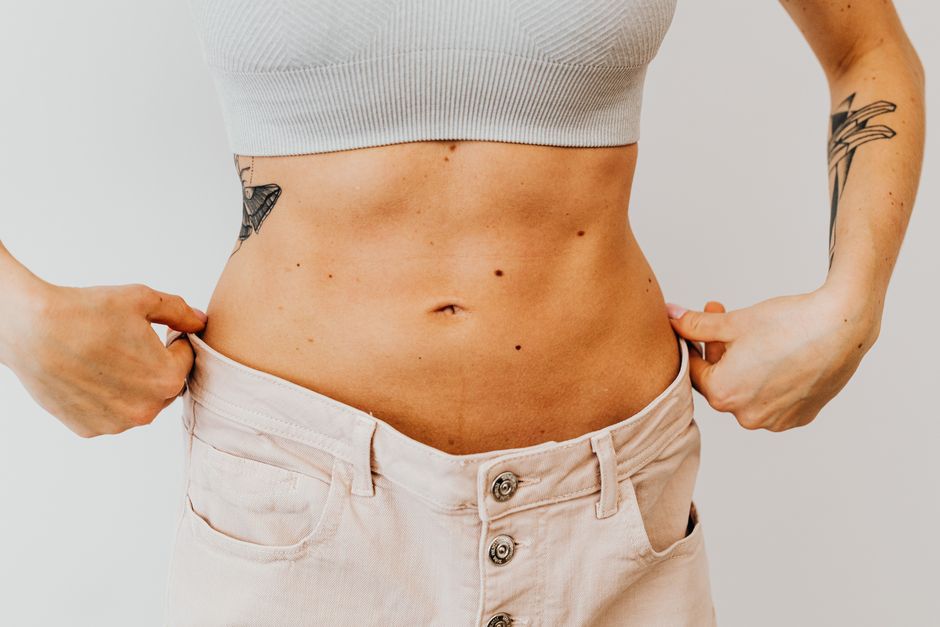
Losing a significant amount of weight is a major achievement. But for many people, the result includes loose, sagging skin that does not go away on its own. This skin is not fat. It is skin that stretched to hold a larger body and has lost some of its elasticity. The honest answer is that no cream, lotion, or pill can tighten loose skin to a significant degree. The most effective approaches are building muscle to fill out the skin, giving your body time to adjust, and in some cases, considering surgery. There is no quick fix. But there are real, evidence-based ways to improve the appearance and feel of excess skin after weight loss.
What Causes Excess Skin After Major Weight Loss?
Your skin is a living organ. It stretches to accommodate growth, pregnancy, and weight gain. When you lose weight quickly or lose a large amount of weight — generally 50 pounds or more — the skin does not always shrink back at the same rate. This is because the collagen and elastin fibers in the skin have been stretched for a long time. They lose some of their ability to snap back into place.
Age matters here. Research shows that younger skin has more elastin and collagen, so it tends to retract better. The amount of weight lost also matters. Someone who loses 30 pounds may see minimal loose skin. Someone who loses 100 pounds is very likely to have noticeable excess skin. The location also varies. Common areas include the abdomen, arms, thighs, and under the chin. Genetics play a role too. Some people naturally have more elastic skin than others.
It is important to understand that loose skin is not the same as stubborn belly fat. Fat sits under the skin. Loose skin is the outer layer that has lost its tightness. You can feel the difference. Pinch the area. If it feels thin and papery, that is skin. If it feels thick and doughy, that is fat.
Does Building Muscle Help Tighten Loose Skin?
Yes, building muscle is one of the most effective non-surgical strategies. Muscle fills out the space under the skin. When you add muscle mass, the skin has something to sit against. This can make loose skin look significantly less noticeable. This is not the same as skin tightening. The skin itself does not shrink. But the appearance improves because the underlying tissue is fuller.
Strength training is the key. Focus on compound movements like squats, deadlifts, push-ups, and rows. These exercises build muscle across multiple areas at once. For the arms, bicep curls and tricep extensions help fill out loose skin on the upper arms. For the abdomen, planks and leg raises strengthen the core muscles underneath the skin. For the thighs, lunges and squats are effective.
A study published in the Journal of Strength and Conditioning Research found that resistance training increased muscle thickness and improved skin appearance in older adults. While this study was not specifically about weight loss patients, the principle applies. More muscle underneath means less visible looseness on top. Be patient. Visible changes take at least 8 to 12 weeks of consistent training.
How To Lose Excess Skin After Weight Loss With Nutrition and Hydration
Nutrition plays a supporting role. It cannot tighten skin on its own, but it provides the raw materials your body needs to maintain and repair skin tissue. Collagen is the main structural protein in skin. Your body needs vitamin C to produce collagen. Good sources of vitamin C include citrus fruits, bell peppers, strawberries, and broccoli. Protein is also essential. Your body uses amino acids from protein to build and repair skin cells.
Hydration matters more than most people realize. Dehydrated skin looks thinner and more wrinkled. Proper hydration plumps the skin cells, which can make loose skin look slightly fuller. The American Council on Exercise recommends drinking half your body weight in ounces of water per day. For a 180-pound person, that is about 90 ounces of water daily.
Some people claim that collagen supplements tighten loose skin. The evidence here is mixed. Some studies suggest that hydrolyzed collagen peptides may improve skin elasticity and hydration. A 2019 review in the Journal of Drugs in Dermatology found that oral collagen supplements showed some benefit for skin aging. But these studies are often small and funded by supplement companies. The effect is modest at best. Collagen supplements are not a replacement for strength training and proper nutrition.





What Does Research Say About Non-Surgical Skin Tightening Treatments?
There are several non-surgical devices marketed for skin tightening. These include radiofrequency, ultrasound, and laser treatments. They work by heating the deeper layers of the skin. The heat stimulates collagen production, which can lead to mild tightening over time. The results are real but subtle. They are not dramatic. For mild to moderate loose skin, these treatments may provide some improvement. For significant excess skin, they rarely produce satisfying results.
Radiofrequency treatments like Thermage have been studied. A 2020 study in the Journal of Cosmetic Dermatology found that radiofrequency treatment improved skin laxity in the abdomen. The improvement was measurable but modest. Most patients needed multiple sessions. The cost can be high, often several thousand dollars. Results are not permanent. Maintenance sessions are typically needed every year or two.
It is important to have realistic expectations. No non-surgical device can replicate the results of surgery for significant excess skin. Clinics that promise dramatic tightening without surgery are often overpromising. If you have a large amount of loose skin, non-surgical treatments will likely disappoint you. They are best suited for people with mild skin looseness who want a small improvement.
Is Surgery the Only Real Option for Significant Excess Skin?
For people with a large amount of loose skin, surgery is the most effective option. Procedures like abdominoplasty (tummy tuck), arm lift (brachioplasty), thigh lift, and body lift remove excess skin and tighten the remaining tissue. These are major surgeries. They require anesthesia, recovery time, and significant cost. But they produce results that no cream, exercise, or device can match.
Surgery is not for everyone. You need to be at a stable weight for at least six months before considering body contouring surgery. Your overall health must be good. Smoking dramatically increases surgical risks. The recovery period is typically four to six weeks. Scarring is permanent, though scars usually fade over time. The American Society of Plastic Surgeons reports that over 100,000 body contouring procedures were performed in 2020, most of them after major weight loss.
Insurance rarely covers these procedures. They are considered cosmetic. The cost of a tummy tuck averages around $6,000 to $12,000. An arm lift costs between $4,000 and $8,000. Many surgeons offer payment plans. If you are considering surgery, consult with a board-certified plastic surgeon. Look for someone who has experience with post-weight loss patients. Ask to see before and after photos of similar cases.
| Method | Effectiveness for Mild Loose Skin | Effectiveness for Significant Loose Skin | Recovery Time | Cost Range |
|---|---|---|---|---|
| Strength training | Moderate | Low to moderate | None | Free to gym membership |
| Collagen supplements | Minimal | Minimal | None | $20-$60 per month |
| Radiofrequency treatments | Moderate | Low | None to minimal | $1,000-$5,000 per course |
| Surgery (tummy tuck, arm lift) | High | High | 4-6 weeks | $4,000-$15,000 per area |
What Should You Avoid When Trying to Tighten Loose Skin?
Avoid products that promise dramatic skin tightening without evidence. Lotions and creams that claim to tighten skin are largely ineffective. The active ingredients in these products — like caffeine, retinol, or peptides — do not penetrate deep enough to affect the structural layers of the skin. They may temporarily plump the surface, but the effect lasts hours, not weeks. You are better off spending that money on quality protein or a gym membership.
Avoid crash dieting or rapid weight loss after you have already reached your goal. Losing weight too quickly can make loose skin worse. The skin needs time to adapt. Aim for a slow, steady weight loss of one to two pounds per week if you are still losing. Rapid weight loss does not give the skin enough time to retract naturally.
Avoid relying on waist trainers or compression garments for permanent results. These garments can make you look smoother temporarily by compressing the skin and fat. They do not tighten the skin itself. Wearing them for long periods does not cause permanent change. They are useful for comfort and appearance in the short term, but they are not a treatment.
Be cautious with social media influencers who claim to have tightened their skin with a specific tea, wrap, or device. These claims are almost never backed by evidence. If it sounds too good to be true, it probably is. Loose skin after major weight loss is a real physical condition. It requires real strategies, not magic solutions.
Frequently Asked Questions
How long does it take for loose skin to tighten after weight loss?
It can take up to one to two years for skin to retract as much as it naturally will. Younger people and those with smaller amounts of weight loss may see more improvement during this time.
Can loose skin go away with exercise alone?
Exercise alone cannot make loose skin disappear. Building muscle underneath the skin can improve its appearance significantly, but the skin itself does not shrink from exercise.
Does drinking water help tighten loose skin?
Drinking enough water keeps skin hydrated and plump, which can make loose skin look slightly better. It does not cause permanent tightening of stretched skin.
Is surgery the only way to remove excess skin?
For large amounts of excess skin, surgery is the only method that removes the skin entirely. Non-surgical methods can improve appearance but cannot remove significant excess skin.
