
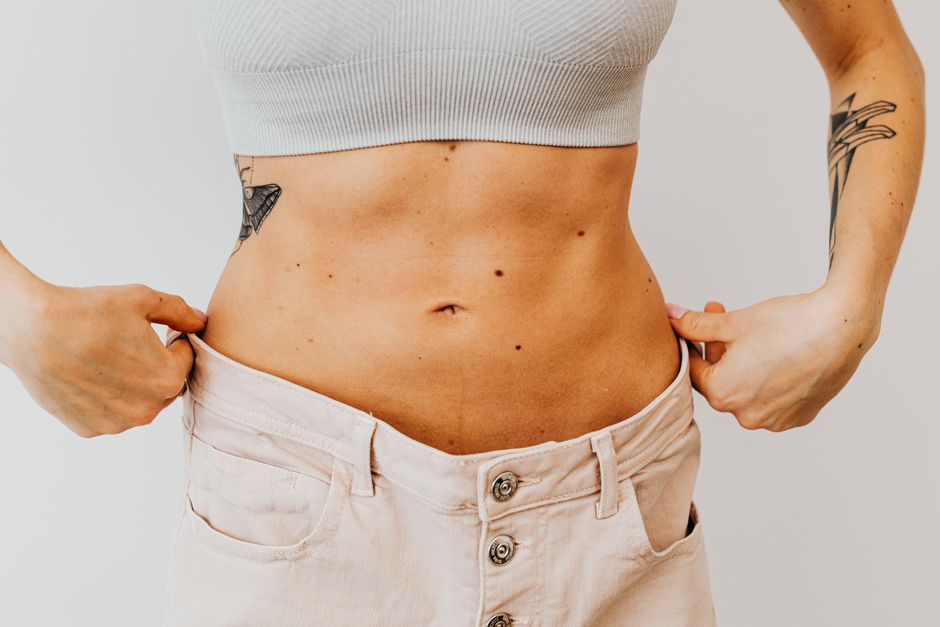
Losing skin fat is not the same as losing belly fat or overall weight. Skin fat is the layer of fat just beneath the skin, called subcutaneous fat, and it behaves differently than the fat around your organs. The most effective approach combines regular exercise, a calorie-controlled diet, and, in some cases, cosmetic procedures that specifically target this stubborn layer. There is no single trick, but a consistent strategy of reducing overall body fat while toning the underlying muscle will produce the most visible and lasting results.
What Is Skin Fat and Why Is It Stubborn?
Subcutaneous fat sits directly under your skin. It is the fat you can pinch with your fingers. Visceral fat, on the other hand, surrounds your internal organs and is more dangerous to your health, but it is also easier to lose with diet and exercise.
Subcutaneous fat is stubborn for a few reasons. It has a different blood supply than visceral fat, which means it breaks down more slowly. It also contains more of a type of fat cell that is resistant to quick mobilization. This is why you may lose inches around your waist before you notice a difference in your thighs or upper arms.
Genetics plays a large role in where your body stores this fat and where it releases it first. You cannot spot-reduce fat from one specific area, no matter how many targeted exercises you do. The body decides the order in which fat is burned, and that order is largely determined by your genetic makeup.
What Exercise Actually Reduces Skin Fat?
Exercise reduces skin fat by burning calories and creating a calorie deficit. When you burn more calories than you consume, your body taps into fat stores for energy, including subcutaneous fat. The type of exercise matters less than the consistency and the total calorie burn.
Cardiovascular exercise is the most efficient way to burn calories. Activities like brisk walking, running, cycling, and swimming all raise your heart rate and increase energy expenditure. The American Heart Association recommends at least 150 minutes of moderate-intensity aerobic activity or 75 minutes of vigorous activity per week for overall health. For fat loss, some people need more than this minimum.
Strength training does not directly burn as many calories during the workout, but it builds muscle. Muscle tissue burns more calories at rest than fat tissue does. This means a higher muscle mass raises your resting metabolic rate, making it easier to maintain a calorie deficit over time. Strength training also firms the area beneath the fat, which can improve the appearance of loose or sagging skin as fat is lost.
High-intensity interval training, or HIIT, combines short bursts of intense exercise with periods of rest. Some studies suggest HIIT can reduce subcutaneous fat more effectively than steady-state cardio in the same amount of time, but the evidence is mixed. Both methods work. The best choice is the one you can do consistently.
What Diet Changes Target Skin Fat?
Diet is the most important factor in reducing total body fat, including skin fat. You cannot out-exercise a poor diet. A calorie deficit is required, meaning you must consume fewer calories than your body burns each day.
A sustainable calorie deficit is typically around 500 calories per day below your maintenance level. This usually results in a weight loss of about one pound per week, though individual results vary. More aggressive deficits can cause faster weight loss but often lead to muscle loss and are harder to maintain.
Protein is important for preserving muscle while losing fat. Lean protein sources like chicken breast, fish, eggs, beans, and Greek yogurt help you feel full and support muscle maintenance. Aim for a protein source at each meal rather than relying on carbohydrates or fats alone.
Fiber-rich foods also help with fat loss. Vegetables, fruits, and whole grains add volume to your meals without adding many calories. They slow digestion and keep you satisfied longer, which makes it easier to stick to a calorie deficit.
There is no specific food that targets skin fat. Marketing claims about “fat-burning” foods are not supported by clinical evidence. Green tea, cayenne pepper, and apple cider vinegar have minor metabolic effects at best, and none of them produce meaningful fat loss on their own. Focus on total calorie intake and nutrient quality instead.





How To Lose Skin Fat Exercise Diet And Procedures?
When diet and exercise are not enough, or when you want faster results in a specific area, cosmetic procedures can reduce subcutaneous fat. These procedures physically remove or destroy fat cells in the treated area. They are not weight-loss treatments. They are body-contouring tools for people close to their target weight.
Cryolipolysis, commonly known by the brand name CoolSculpting, freezes fat cells. The cold temperature damages the fat cells, and the body gradually clears them over several weeks. It is FDA-cleared for certain areas like the abdomen, flanks, and thighs. Results appear gradually over two to three months. It does not tighten skin and is not effective for visceral fat.
Laser lipolysis uses heat to destroy fat cells. Procedures like SculpSure use a laser device placed on the skin that heats the fat layer to a temperature that damages fat cells while leaving surrounding tissue intact. Like cryolipolysis, results develop over weeks as the body processes the damaged cells.
Liposuction is a surgical procedure that physically removes fat cells through a suction cannula. It is the most aggressive and immediate option. It requires anesthesia, involves downtime, and carries surgical risks like infection, bleeding, and uneven contours. Liposuction removes fat permanently from the treated area, but if you gain weight afterward, fat can accumulate in other areas.
None of these procedures are substitutes for diet and exercise. They remove existing fat cells, but they do not prevent new fat from forming. They also do not address the underlying causes of weight gain, such as poor diet or a sedentary lifestyle.
Do These Procedures Tighten Loose Skin?
Most fat-reduction procedures do not tighten skin. In fact, removing fat can sometimes make loose skin more noticeable, especially in older adults or after significant weight loss. The skin may not retract fully after the fat underneath is removed.
Radiofrequency skin tightening is a separate category of treatment. It uses heat to stimulate collagen production, which can improve skin elasticity over time. Some devices combine radiofrequency with fat reduction, but the evidence for significant skin tightening is limited. Results are typically modest and vary widely between individuals.
Surgical skin removal, such as a tummy tuck or arm lift, is the only reliable way to remove excess skin. These procedures involve large incisions and significant recovery time. They are major surgeries with real risks. They are not appropriate for everyone and should only be considered after weight has been stable for several months.
If loose skin is your primary concern, focus on gradual weight loss. Losing weight slowly, at a rate of one to two pounds per week, gives your skin more time to adapt and retract. Staying hydrated and maintaining adequate protein intake may also support skin elasticity, though the clinical evidence for specific supplements is weak.
What Results Can You Realistically Expect?
Realistic expectations matter. A combination of diet, exercise, and procedures can reduce skin fat, but it will not give you a completely smooth, sculpted appearance if you have significant excess skin or a large amount of subcutaneous fat.
With diet and exercise alone, most people see visible changes in body composition within eight to twelve weeks. The rate of change slows as you get closer to your goal weight because smaller bodies burn fewer calories during activity. Plateaus are normal and often require adjusting calorie intake or increasing activity to overcome.
With non-surgical procedures like cryolipolysis or laser lipolysis, you may see a 20 to 25 percent reduction in the fat layer of the treated area. This number comes from clinical trials, but individual results vary. No procedure removes all fat from an area, and results are permanent only if your weight remains stable.
No clinical evidence supports the idea that any cream, supplement, or topical product can reduce skin fat. These products do not penetrate deeply enough to affect fat cells. If a product promises to melt fat on contact, it is not supported by science.
Frequently Asked Questions
Can you spot-reduce skin fat with targeted exercises?
No. Targeted exercises strengthen the muscle beneath the fat but do not selectively burn fat from that area. Fat loss happens throughout the body based on genetics and overall calorie balance.
What is the fastest way to lose skin fat?
Surgical liposuction removes fat cells immediately, but it carries surgical risks and does not prevent future weight gain. The fastest sustainable approach is a calorie deficit combined with regular exercise, which produces gradual but lasting results.
Do fat-freezing procedures work for all body types?
No. Cryolipolysis is most effective for people with pinchable subcutaneous fat and is not suitable for those who are significantly overweight. It does not treat visceral fat and results vary between individuals.
Will losing weight quickly cause loose skin?
Rapid weight loss increases the likelihood of loose skin because the skin has less time to retract. Gradual weight loss of one to two pounds per week gives the skin a better chance to adapt.
