
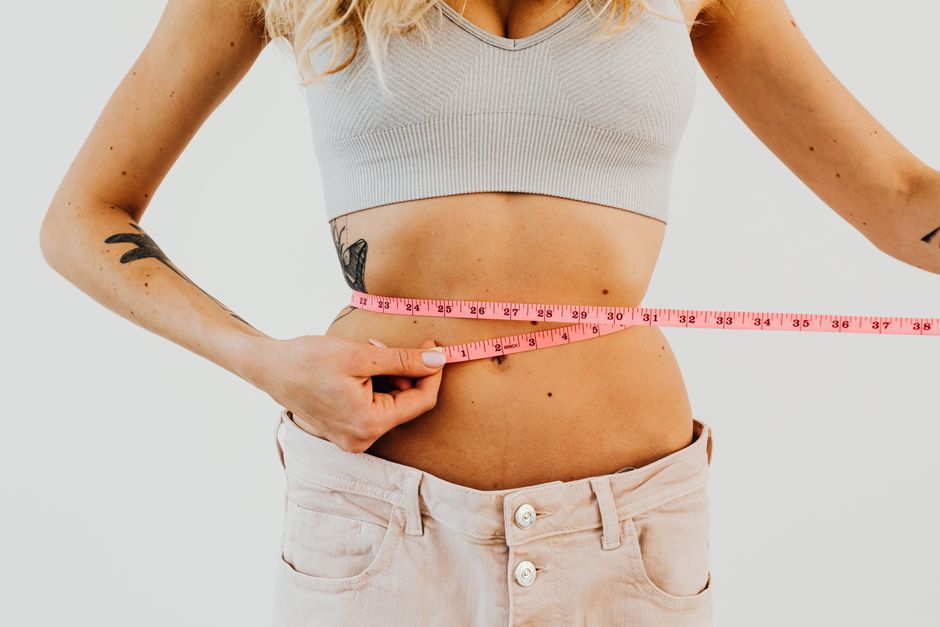
Loose skin after weight loss happens when skin loses elasticity faster than the body can adapt. The most effective way to prevent and reduce loose skin while losing weight is to lose weight slowly — about one to two pounds per week — while incorporating strength training to preserve and build muscle. Eating enough protein, staying well‑hydrated, and avoiding smoking also support skin health. Genetics play a major role, so some skin looseness may be unavoidable, but these strategies give you the best chance of keeping your skin firmer as you slim down.
What causes loose skin during weight loss?
Skin is elastic. It stretches to accommodate extra fat and shrinks back when fat is lost. But the process is not instant. Collagen and elastin fibers in the skin take time to remodel. If you lose weight quickly, the skin does not have enough time to tighten around your new shape.
Several factors determine whether loose skin develops:
- Amount of weight lost. Losing 50 pounds or more significantly increases the risk.
- Age. Older skin has less collagen and elastin, so it is less able to snap back.
- Genetics. Some people simply have more elastic skin than others.
- Sun damage and smoking. Both break down collagen and weaken skin structure.
- Duration of obesity. Skin stretched for many years may not fully retighten.
Understanding these causes helps you focus on what you can control — mainly the speed of your weight loss and the health of your skin.
How does the rate of weight loss affect skin elasticity?
Losing weight slowly gives skin time to adjust. Studies suggest that losing one to two pounds per week — the standard guideline for safe weight loss — is associated with less loose skin than faster rates. Rapid weight loss, such as from very low‑calorie diets or bariatric surgery, often leads to more noticeable skin laxity.
Your body needs weeks or months to break down and remove the fibrous tissue that holds fat. When fat disappears quickly, the skin envelope remains stretched. Gradual loss allows natural remodeling to keep pace.
If you are losing weight quickly due to medical reasons or surgery, you cannot slow the process entirely. In those cases, focus on the other strategies below to support your skin as much as possible.
Can building muscle help tighten loose skin?
Yes, but with an important clarification. Strength training does not directly tighten skin. It builds muscle underneath the skin, which fills out the space and makes loose skin less noticeable. The same amount of skin draped over a larger muscle looks firmer than if draped over a smaller muscle.
Resistance training also has indirect benefits for skin health. Exercise improves blood flow, which delivers oxygen and nutrients to skin cells. Some research suggests that regular strength training may increase collagen production, though the evidence is not conclusive.
Focus on compound exercises — squats, deadlifts, push‑ups, rows, and lunges — that work multiple muscle groups. Building muscle in areas where loose skin typically appears, such as the arms, thighs, abdomen, and buttocks, provides the most visible improvement.




What nutrients support skin health during weight loss?
Your skin needs protein, vitamins, and minerals to produce collagen and elastin. While diet cannot erase loose skin completely, deficiency can make it worse.
- Protein. Aim for at least 0.36 grams per pound of body weight per day (about 54 grams for a 150‑pound person) as a baseline. When losing weight, some experts recommend 0.5–0.7 grams per pound to preserve muscle and support skin repair.
- Vitamin C. Essential for collagen synthesis. Eat citrus fruits, bell peppers, strawberries, broccoli.
- Zinc and copper. Both needed for collagen formation. Sources: lean meats, shellfish, nuts, seeds, legumes.
- Vitamin A. Helps skin cell turnover. Carrots, sweet potatoes, spinach, eggs.
- Healthy fats. Omega‑3s from fish, flaxseeds, walnuts support skin membrane health.
- Hydration. Drink enough water so urine is pale yellow. Dehydrated skin appears looser and less elastic.
Supplements are rarely necessary if you eat a varied diet. There is no strong evidence that collagen supplements, when taken orally, prevent loose skin. Your body uses amino acids from any protein source, not specifically from collagen.
Do creams, supplements, or procedures actually reduce loose skin?
This is an area where marketing often outpaces evidence. Let’s be direct.
Topical creams. Most firming creams contain ingredients like retinol, caffeine, or hyaluronic acid. Retinol (a form of vitamin A) can stimulate collagen production in the skin when used consistently over months. However, the effect is modest. Creams cannot tighten large areas of loose skin. They may improve texture slightly but will not eliminate sagging.
Supplements. Collagen supplements, elastin supplements, and specialty blends are popular. Some small studies suggest collagen peptides may improve skin elasticity in older adults, but the results are inconsistent. No large, high‑quality trial has shown that taking a supplement prevents or reverses weight‑loss‑related loose skin. The evidence is weak.
Medical procedures. For significant loose skin, dermatologic procedures may help more than any topical product. Options include radiofrequency treatments, ultrasound therapy, microneedling with radiofrequency, and laser resurfacing. These treatments heat the deeper layers of skin, prompting new collagen formation over several months. Results vary, and multiple sessions are usually needed. In severe cases, surgery (abdominoplasty, arm lift, thigh lift) is the only way to remove excess skin.
No non‑surgical procedure can match the results of surgery for large amounts of loose skin. Be wary of clinics promising dramatic tightening with a single device. Realistic expectations matter.
What about fasting or specific diets for loose skin?
Intermittent fasting does not directly prevent loose skin. In fact, severe calorie restriction during fasting periods could limit nutrients available for skin repair. The key is not the eating schedule but the total nutrient quality.
Low‑carb or ketogenic diets are not known to benefit skin elasticity more than other balanced approaches. Some people on very low‑carb diets lose water weight rapidly, which may temporarily make skin appear looser. Once water balance stabilizes, the effect is gone.
Instead of focusing on a specific diet, prioritize adequate protein and a variety of colorful vegetables. That approach supports both weight loss and skin health regardless of the dietary framework you use.
How To Prevent And Reduce Loose Skin While Losing Weight — the core strategies summarized
If you are planning weight loss, here is a practical checklist based on current evidence:
- Lose weight gradually — aim for one to two pounds per week.
- Do strength training two to three times per week.
- Eat enough protein every day.
- Stay hydrated and eat fruits and vegetables rich in vitamin C.
- Avoid smoking and limit sun exposure.
- Be patient — skin remodeling takes months, often up to a year after weight stabilizes.
- If loose skin is significant after a year, consider consulting a dermatologist about procedures.
No single method guarantees tight skin. Genetics are powerful. But combining a slow weight loss pace with muscle preservation and good nutrition gives you the best possible outcome.
Frequently Asked Questions
Can loose skin go away naturally after weight loss?
Some loose skin improves over time as collagen and elastin remodel, but complete tightening is unlikely for large amounts of excess skin. The body needs six to twelve months to show the final result after weight stabilizes.
Does drinking more water prevent loose skin?
Hydration improves skin elasticity and appearance temporarily, but drinking extra water beyond normal needs does not prevent loose skin caused by weight loss.
Will building muscle eliminate loose skin on my arms?
Building muscle fills out loose skin so it appears tighter, but it cannot remove actual excess skin tissue. Significant sagging may still require surgical removal.
What is the best supplement for loose skin after weight loss?
No supplement has strong evidence to prevent or reduce loose skin. Collagen supplements may offer minor benefits in some studies, but results are inconsistent and not specific to weight‑loss skin.
