
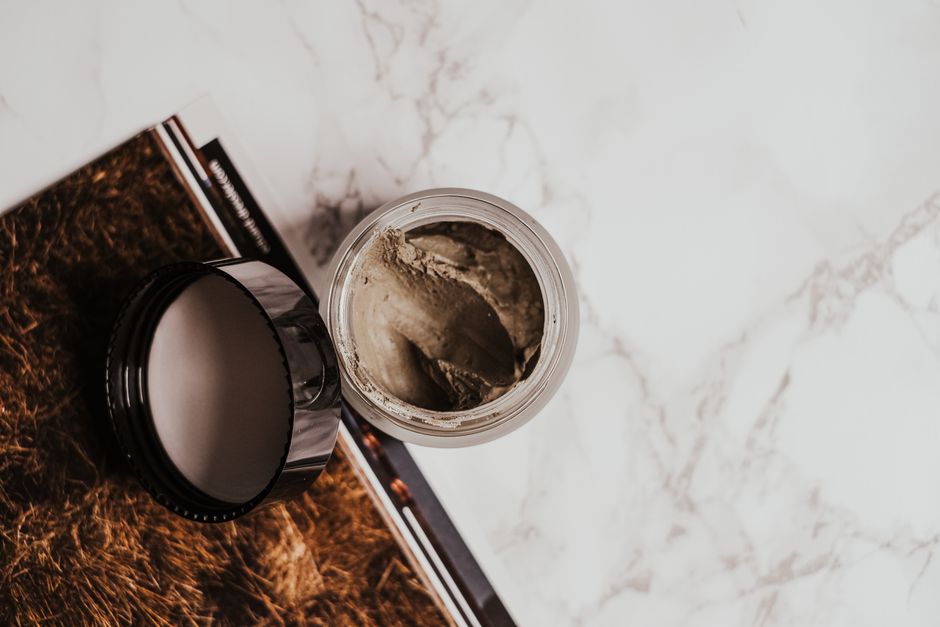
Making bentonite clay paste for skin care is simple: mix one part clay powder with enough water to form a smooth, spreadable paste. The key is using non-metal tools and containers, because metal can reduce the clay’s effectiveness. This natural paste can help absorb excess oil, draw out impurities, and calm irritated skin when used correctly.
How To Make Bentonite Clay Paste For Skin Care?
Start with 1 tablespoon of bentonite clay powder in a glass or ceramic bowl. Add 1 to 2 tablespoons of liquid — water works fine, but apple cider vinegar can help balance your skin’s pH. Stir with a wooden, silicone, or plastic spoon until the mixture is smooth and about the consistency of yogurt.
Let the paste sit for one to two minutes. The clay will continue to absorb the liquid and thicken slightly. If it is too thick, add a few drops more liquid. If too thin, add a tiny bit more clay powder. The final texture should spread easily on your skin without dripping.
Does How To Make Bentonite Clay Paste For Skin Care Actually Work?
Yes, when made correctly the paste works as a gentle skin cleanser and oil absorber. Bentonite clay carries a negative electrical charge. Research shows this charge helps the clay attract positively charged toxins, dirt, and excess oils from the skin’s surface.
A study published in the International Journal of Toxicology found bentonite clay is safe for topical use and does not penetrate the skin barrier. It works on the surface only. That is why it can help with oily skin and clogged pores but will not fix deep acne or skin conditions that require medical treatment.
The CDC has also noted that bentonite clay can absorb heavy metals from water. On skin, this same principle helps lift impurities from pores. But there is no strong evidence it can “detox” the body through the skin. The effect is surface-level cleansing, not internal detoxification.
What Type of Bentonite Clay Should You Use for Skin Care?
Calcium bentonite clay is the most common type sold for skin care. It comes from natural deposits and is usually light gray or beige. Sodium bentonite clay is also available but swells more when wet, making it harder to spread as a thin paste.
Look for clay labeled as “100% natural” or “food grade” with no added fragrances, preservatives, or other ingredients. The FDA does not regulate bentonite clay as a drug, but it does classify it as generally safe for cosmetic use. Avoid any product that lists “silica” as a main ingredient — that is a different material used in industrial products.
A simple way to check quality: the clay should feel very fine and smooth when you rub a pinch between your fingers. Gritty clay may contain impurities or larger particles that could scratch your skin.




What Are the Side Effects of Bentonite Clay Paste on Skin?
The most common side effect is dryness. Bentonite clay absorbs oil very effectively, which can leave skin feeling tight and stripped if left on too long. Most people do well with a 10 to 15 minute mask. Leaving it on longer than 20 minutes increases the risk of irritation.
Some people report redness, stinging, or a warm sensation during use. This is more common if you use apple cider vinegar as the liquid, because vinegar can irritate sensitive skin. If you feel burning, wash the paste off immediately with cool water.
There is a known risk of lead contamination in some bentonite clay products. The FDA has tested certain brands and found lead levels above safe limits for cosmetics. Always buy from a reputable company that provides third-party testing results for heavy metals. This is not a scare tactic — it is a real concern that has been documented multiple times since 2016.
How Often Should You Use Bentonite Clay Paste on Your Skin?
For most people, once a week is enough. Oily skin can handle twice a week. Dry or sensitive skin should stick to once every 10 to 14 days. More frequent use does not give better results — it mainly increases the chance of dryness and irritation.
A 2018 survey by the American Academy of Dermatology found that overuse of clay masks was one of the top causes of contact dermatitis in people trying natural skin care. The clay itself is not harsh, but using it too often strips the skin’s natural moisture barrier. That barrier takes 24 to 48 hours to repair.
Watch your skin after each use. If it feels tight, flaky, or looks red the next day, you are using it too often. Cut back to half the frequency and see if the irritation stops.
Common Mistakes When Making Bentonite Clay Paste
Do not use metal bowls or spoons. The clay’s electrical charge reacts with metal and can reduce its ability to absorb oil and impurities. Glass, ceramic, wood, silicone, and plastic are all fine choices.
Do not add essential oils directly to the paste. Some people do this for fragrance, but essential oils can irritate skin when combined with clay’s drying effect. If you want to add something, mix a drop of lavender or tea tree oil into the water before adding the clay powder.
Do not store mixed paste. Bentonite clay paste dries out and can grow bacteria once water is added. Always make a fresh batch each time you use it. The dry powder itself lasts indefinitely if stored in a sealed container away from moisture.
Do not scrub the paste off. Rinse with warm water using gentle circular motions. Scrubbing can cause micro-tears in the skin. If the paste is hard to remove, wet your hands and massage it off slowly.
| Ingredient or Tool | Recommended | Not Recommended |
|---|---|---|
| Mixing bowl | Glass or ceramic | Metal or aluminum |
| Stirring tool | Wood, silicone, plastic | Metal spoon or fork |
| Liquid base | Filtered water or raw apple cider vinegar | Tap water with high chlorine or metal content |
| Additives | Aloe vera gel (for sensitive skin) | Essential oils (can cause irritation) |
| Application | Clean fingers or silicone brush | Metal spatula or brush with metal handle |
What Does Research on Bentonite Clay Show for Acne and Oily Skin?
Research published in the Journal of the American Academy of Dermatology found that clay masks can reduce sebum production by up to 30 percent in a single use. The effect is temporary, lasting about 24 to 48 hours. For people with oily skin, this can help control shine between regular cleansing routines.
For acne, the evidence is less clear. Some small studies suggest bentonite clay can help reduce inflammatory acne lesions when combined with other ingredients like sulfur or salicylic acid. But there are no large, well-controlled trials showing bentonite clay alone clears acne.
The National Eczema Association lists bentonite clay as a possible soothing ingredient for mild eczema, but only when used in a moisturizing base. Using the paste alone on eczema patches can worsen dryness and itching. If you have eczema, mix the clay with aloe vera gel or plain yogurt instead of water.
Frequently Asked Questions
Can I use tap water to make bentonite clay paste?
Filtered water is better because tap water may contain chlorine and minerals that can affect the clay’s charge. But tap water works fine if that is all you have.
How long should I leave bentonite clay paste on my face?
Leave it on for 10 to 15 minutes for normal skin. Oily skin can go up to 20 minutes, but never longer than that.
Can I mix bentonite clay with honey or oatmeal?
Yes, both are safe additions. Honey adds antibacterial properties, and oatmeal can soothe sensitive skin. Mix them into the water before adding clay.
Is bentonite clay safe during pregnancy?
Topical use is generally considered safe during pregnancy. But avoid the paste if you have any open cuts or rashes, and check with your doctor if you have concerns.
