
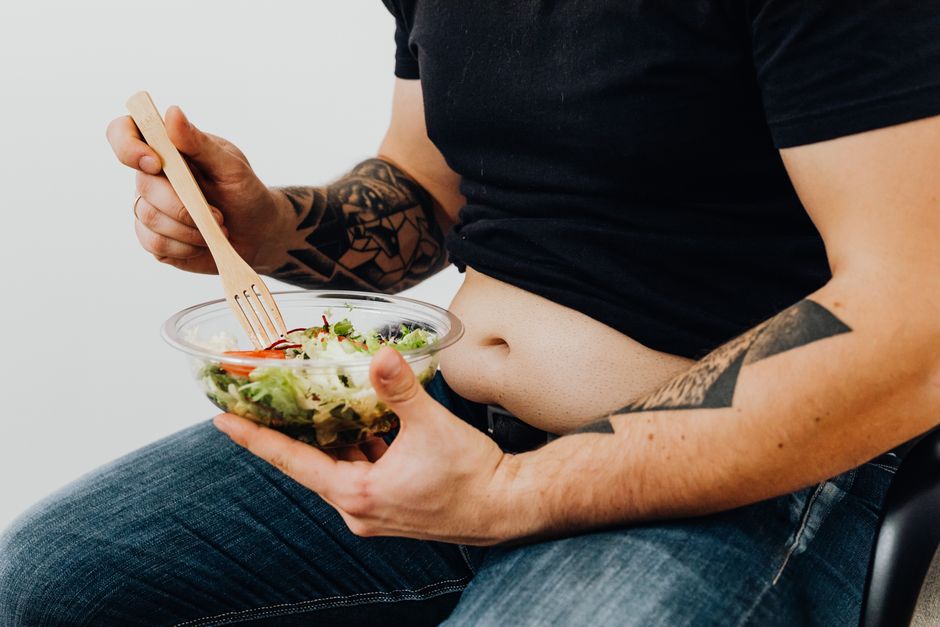
Lower belly fat is often the last place your body loses fat, and that is not your fault. You cannot target fat loss from one spot, no matter what any ad says. The only real way to lose lower belly fat is to reduce overall body fat through a consistent calorie deficit, combined with strength training and stress management.
Why Is Lower Belly Fat So Hard to Lose?
Your body stores fat in patterns determined mostly by genetics and hormones. For many people, the lower belly is a stubborn storage site. This is because fat cells in that area have more alpha-adrenergic receptors, which make them less responsive to fat-burning signals compared to fat cells elsewhere.
Research shows that visceral fat, the deep belly fat around your organs, is more metabolically active than subcutaneous fat, the pinchable fat under your skin. Visceral fat responds well to diet and exercise, but subcutaneous lower belly fat is slower to release. This is why even fit people can carry a small pouch below the navel.
Stress also plays a major role. Cortisol, the stress hormone, encourages fat storage in the abdominal area. As of 2026, current research continues to confirm that chronic stress and poor sleep are two of the biggest blockers for losing lower belly fat, even when diet and exercise are on point.
Does Spot Reduction Work for Lower Belly Fat?
No. Spot reduction, the idea that doing hundreds of crunches will melt belly fat, is not supported by any credible research. A 2011 study in the Journal of Strength and Conditioning Research had participants do abdominal exercises five days a week for six weeks. They lost no more belly fat than the control group.
Your body decides where to pull fat from based on genetics, not which muscles you work. When you lose fat, you lose it from all over. Some people lose it from their face and arms first. Others lose it from their upper belly first. Lower belly is almost always the last to go.
That said, building abdominal muscle through planks, leg raises, and other core exercises will strengthen your midsection. Stronger abs can make your stomach appear tighter and more defined once body fat drops. But the exercises themselves do not burn the fat covering those muscles.
What Diet Changes Actually Help You Lose Lower Belly Fat?
There is no special food that targets lower belly fat. What matters most is your total calorie intake and the quality of the calories you eat. A calorie deficit of 300 to 500 calories per day is a sustainable target for most people.
Protein intake becomes especially important when losing weight. A high-protein diet helps preserve muscle mass during fat loss, which keeps your metabolism running. Aim for at least 0.7 grams of protein per pound of body weight. That means a 180-pound person needs about 126 grams of protein daily.
Fiber from vegetables, legumes, and whole grains helps with fullness and blood sugar control. A 2015 study in the American Journal of Clinical Nutrition found that increasing soluble fiber intake by 10 grams per day reduced visceral fat accumulation over five years. That is about two apples or one cup of cooked lentils.
Sugar and refined carbohydrates are worth reducing. They spike insulin, which can promote fat storage. You do not need to cut carbs completely. But swapping white bread for whole grains and cutting sugary drinks will make a real difference over time.





What Types of Exercise Are Most Effective?
Walking is underrated. A consistent walking habit of 8,000 to 10,000 steps per day can create a meaningful calorie deficit without spiking hunger hormones the way intense cardio sometimes does. Walking is sustainable for almost everyone.
Strength training is essential. Building muscle increases your resting metabolic rate, meaning you burn more calories even at rest. Compound lifts like squats, deadlifts, and push-ups recruit more muscle groups and burn more calories than isolation exercises.
High-intensity interval training, or HIIT, has some evidence for reducing visceral fat more efficiently than steady-state cardio. A 2018 meta-analysis in Sports Medicine found that HIIT reduced total abdominal fat more than moderate-intensity continuous training, when total calorie burn was equal. But HIIT is hard to sustain long-term for many people.
The best exercise plan is the one you can stick with. A combination of daily walking, three strength training sessions per week, and one or two HIIT sessions is a realistic goal for most people.
| Exercise Type | Calorie Burn Per 30 Minutes (155 lb person) | Effect on Lower Belly Fat |
|---|---|---|
| Walking (3.5 mph) | ~140 calories | Supports overall fat loss, low stress |
| Strength Training | ~110-200 calories | Builds muscle, raises resting metabolism |
| HIIT | ~250-400 calories | May reduce visceral fat faster |
| Steady-State Running | ~280 calories | Effective but can increase appetite |
How Do Sleep and Stress Affect Lower Belly Fat?
Poor sleep and high stress are two of the most overlooked causes of stubborn belly fat. When you are sleep-deprived, your body produces more ghrelin, the hunger hormone, and less leptin, the fullness hormone. This makes sticking to a calorie deficit much harder.
A 2022 study in the Journal of the American College of Cardiology found that people who slept less than six hours per night had significantly more visceral fat than those who slept seven to eight hours. The difference held even when calorie intake was similar between groups.
Stress raises cortisol, which tells your body to hold onto fat in the abdominal area. This is an evolutionary leftover from when physical threats required quick energy. Modern chronic stress just keeps that fat-storage signal turned on. Managing stress through daily practices like walking, meditation, or even just setting boundaries around work can lower cortisol levels over time.
Some people report that improving sleep quality alone, without changing diet, led to visible changes in their lower belly after a few months. Strong evidence for this is limited, but the connection between sleep, cortisol, and fat storage is well-established.
What Common Mistakes Prevent Progress?
One major mistake is doing endless ab exercises while ignoring total body fat. You can have the strongest core in the world, but if it is covered by a layer of fat, you will not see definition. Focus on fat loss first, then muscle definition.
Another mistake is cutting calories too drastically. Severe restriction slows your metabolism, increases cortisol, and causes muscle loss. This makes it harder to lose fat in the long run. A moderate deficit of 300 to 500 calories per day is more effective over three months than a crash diet.
Relying on detox teas, waist trainers, or fat-burning supplements is a waste of money. As of 2026, there is no clinical evidence that any supplement specifically targets lower belly fat. Some people report feeling lighter after using these products, but that is usually from water loss or reduced food intake, not actual fat loss.
Alcohol is another hidden source of empty calories and can disrupt sleep and increase cortisol. Cutting back on alcohol, especially beer and sugary cocktails, often leads to faster progress in the lower belly area.
- Doing only ab exercises and ignoring full-body strength training
- Eating too few calories and slowing your metabolism
- Using waist trainers or detox teas for fat loss
- Drinking alcohol regularly, especially in the evening
- Skipping sleep or managing stress poorly
Frequently Asked Questions About lose lower belly fat
Can I lose lower belly fat without exercise?
Yes, you can lose fat through diet alone, but exercise helps preserve muscle and makes the process more sustainable. Without exercise, you risk losing muscle mass, which slows your metabolism over time.
How long does it take to lose lower belly fat?
There is no set timeline because it depends on your starting body fat, genetics, and consistency. Most people see noticeable changes in their lower belly after 8 to 12 weeks of a consistent calorie deficit and exercise routine.
Does drinking water help lose lower belly fat?
Drinking water supports metabolism and helps with fullness, but it does not directly burn fat. Staying hydrated is important for overall health and can prevent mistaking thirst for hunger.
Are there any supplements that target lower belly fat?
No supplement has been proven to target lower belly fat specifically. Some ingredients like caffeine can slightly boost metabolism, but the effect is small and inconsistent across individuals.
