
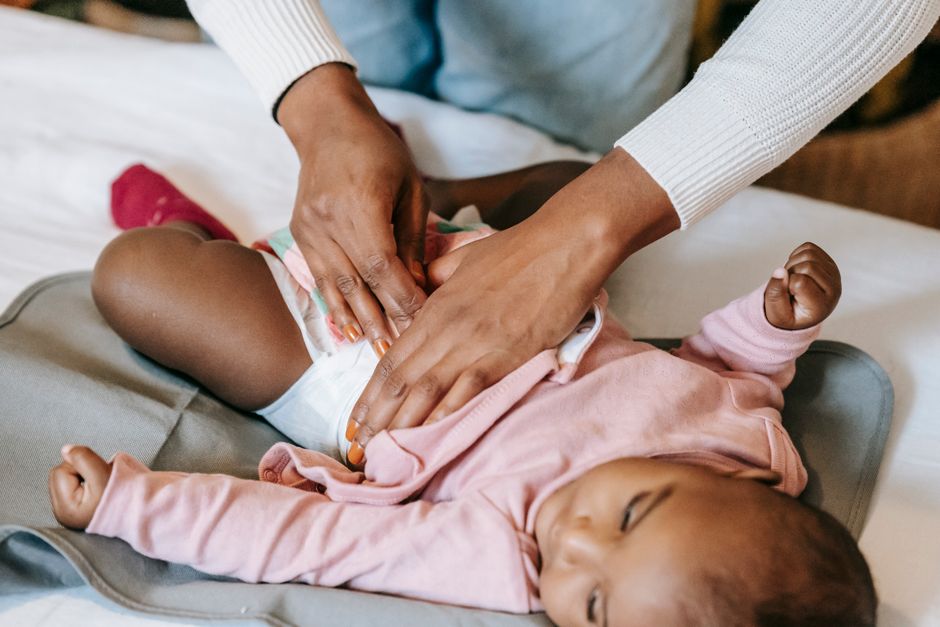
Laying a baby down to sleep the right way comes down to one position: flat on the back, on a firm surface, in a sleep space free of soft bedding, pillows, bumpers, and toys. Put your baby down drowsy but awake when you can, and keep the room comfortably cool. This is the single most important thing parents and caregivers can do to lower the risk of sudden infant death syndrome (SIDS) and other sleep-related infant deaths.
That advice is not a matter of opinion or parenting style. It rests on decades of research and is the consistent position of major pediatric and public health organizations in the United States and worldwide. The details below explain why each piece matters and how to actually do it at 3 a.m. when you are exhausted.
Why Does Back Sleeping Matter So Much?
Placing infants on their backs to sleep is the most strongly supported step for reducing sleep-related infant death. When public health campaigns began urging back sleeping in the 1990s, deaths from SIDS dropped sharply. That decline is one of the clearest success stories in modern pediatric public health.
The exact reasons back sleeping protects babies are not fully understood. Researchers have proposed several mechanisms. Babies who sleep face-down may rebreathe their own exhaled air, which is higher in carbon dioxide and lower in oxygen. They may also have more trouble rousing from deep sleep, or their airway anatomy may be more vulnerable in that position. These are leading explanations, not settled facts. What is settled is the pattern seen across many studies: back sleeping is safer.
Side sleeping is not a safe substitute. A baby placed on the side can roll onto the stomach easily, and studies have found side sleeping carries a higher risk than back sleeping. Every sleep, including naps, should start on the back.
One practical point many parents do not hear clearly: once a baby can roll from back to stomach and back again on their own, usually around 5 to 6 months, you do not need to keep flipping them onto their back during the night. At that stage, they have the strength and coordination to change position themselves. Still place them down on their back to start.
What Kind of Sleep Surface Is Safe?
A firm, flat surface designed for infant sleep is the standard. That means a crib, bassinet, portable crib, or play yard that meets current safety standards, with a tight-fitting mattress and a fitted sheet made for that mattress.
The “firm” part matters. A mattress that leaves an indentation when your baby lies on it, or that feels soft and cushioned, is not appropriate for infant sleep. Soft surfaces can allow a baby’s face to sink in and block breathing.
Some parents assume a softer surface is more comfortable. For infants, comfort is not the goal — safety is. Adult beds, couches, and armchairs are among the most dangerous places for a baby to sleep because of softness and the risk of entrapment or a parent rolling onto the baby.
Keep the sleep space bare. That means no:
- Pillows or cushions
- Blankets, quilts, or comforters
- Bumper pads of any kind
- Stuffed animals or toys
- Positioning wedges or sleep positioners
- Loose bedding or extra mattresses
Bumper pads and sleep positioners deserve a specific warning. Both have been linked to infant deaths, and both have been the subject of safety warnings and, for some products, recalls. They are sometimes marketed as preventing injury or improving sleep. No evidence supports those claims, and the safety risk is real.
Should Babies Sleep in the Same Room as Parents?
Yes. The recommendation from major pediatric organizations is that infants sleep in the same room as parents or caregivers, but on a separate surface designed for infant sleep, for at least the first 6 months. Some guidance extends this to the first year.
Room-sharing without bed-sharing is associated with a lower risk of sleep-related death. The protective effect is strongest in the early months.
This is different from bed-sharing, which means the baby sleeps on the same surface as an adult or another child. Bed-sharing is associated with increased risk, and the risk rises further in certain situations. The evidence indicates bed-sharing is especially dangerous when:
- The adult has consumed alcohol or taken sedating medication
- The adult is extremely tired
- The baby was born preterm or had a low birth weight
- The sleeping surface is soft, such as a couch, waterbed, or pillow-top mattress
- There is soft bedding, pillows, or multiple people on the surface
Some parents choose bed-sharing for cultural, practical, or breastfeeding reasons. If that is your situation, the honest guidance is to talk with your pediatrician about how to reduce risk as much as possible, because the safest option remains a separate, firm sleep surface in the same room.




How Should You Actually Put the Baby Down?
There is a technique that makes the transition from arms to crib easier and safer. It is not complicated, but the order matters.
First, make sure your baby is on their back the moment they touch the sleep surface. Do not place them on their side or stomach intending to roll them over later.
Lower your baby feet-first, then bottom, then back and head. This reduces the startle reflex that can wake a drowsy baby. Keep your hands on your baby’s chest or back for a few seconds after they are down, then slowly withdraw. Some parents find that placing a hand gently on the chest and shushing softly helps the baby settle.
If your baby wakes and fusses, that is normal. Newborns and young infants wake frequently, and that is a protective feature of their development, not a sign you did something wrong. The goal is not to force long stretches of sleep. It is to make every sleep as safe as possible.
For naps, the same rules apply. A nap in a swing, car seat, stroller, or bouncer is not the same as a nap on a firm sleep surface. If your baby falls asleep in one of these, it is best to move them to a firm, flat surface as soon as practical. Devices like swings and car seats are not designed for unsupervised sleep and can put a baby’s airway at risk if they slump forward.
What About Temperature and Clothing?
Overheating is a known risk factor for SIDS, so keeping your baby comfortably cool matters. A room temperature that feels comfortable to a lightly clothed adult is generally appropriate, but exact numbers vary by source and by your home. A practical check is to feel your baby’s chest or the back of their neck. If it is hot or sweaty, they are too warm.
Dress your baby in a wearable blanket or sleep sack instead of a loose blanket. Sleep sacks keep the baby warm without loose fabric that can cover the face. Avoid over-bundling, and do not put a hat on your baby indoors for sleep.
Signs your baby may be too warm include flushed skin, sweating, or a hot chest. If you notice these, remove a layer and check again. A baby’s hands and feet often feel cool even when they are comfortable, so do not judge warmth by the extremities alone.
Does a Pacifier or Fan Help?
Offering a pacifier at sleep time is associated with a lower risk of SIDS in some studies. The effect is not fully explained, and the evidence is not as strong as the evidence for back sleeping. If you are breastfeeding, many clinicians suggest waiting until breastfeeding is well established, often around 3 to 4 weeks, before introducing a pacifier. If your baby is not interested in a pacifier, do not force it.
Some research has looked at room fans and improved air circulation. The findings are mixed, and no major organization recommends a fan as a specific SIDS prevention measure. If a fan makes the room more comfortable, that is fine, but it is not a substitute for back sleeping on a firm surface.
Which Products Should You Avoid?
The infant sleep product market is full of items marketed for safety or better sleep. Many have no evidence behind them, and some are actively dangerous. Be skeptical of any product that claims to reduce the risk of SIDS or to prevent flat head syndrome, reflux, or breathing problems during sleep.
Items to avoid for unsupervised sleep include:
- Sleep positioners and anti-roll wedges
- Crib bumpers, including mesh bumpers
- Inclined sleepers and rockers marketed for sleep
- Baby nests, loungers, and dock-style pillows
- Weighted blankets or weighted sleep sacks for infants
Inclined sleepers were the subject of a major recall after being linked to infant deaths. Weighted products for infants have also drawn safety warnings. None of these have been shown to make infant sleep safer.
If you are ever unsure whether a product is safe, the simplest test is this: does it keep the baby flat, on their back, on a firm surface, with nothing loose around them? If not, it is not a safe sleep space.
Frequently Asked Questions
What is the safest position for a baby to sleep?
Flat on the back for every sleep, including naps. Side and stomach sleeping carry a higher risk of sleep-related death.
Can a baby sleep on their stomach if they can roll over?
Once a baby can roll both ways on their own, usually around 5 to 6 months, they can stay in whatever position they choose during sleep. Always place them down on their back to start.
Is it safe to put a baby to sleep with a blanket?
No. Loose blankets can cover a baby’s face and increase the risk of suffocation and SIDS. Use a wearable sleep sack instead.
Should a baby sleep in the parents’ room?
Yes. The recommendation is for infants to sleep in the same room as parents, on a separate firm surface, for at least the first 6 months.
