
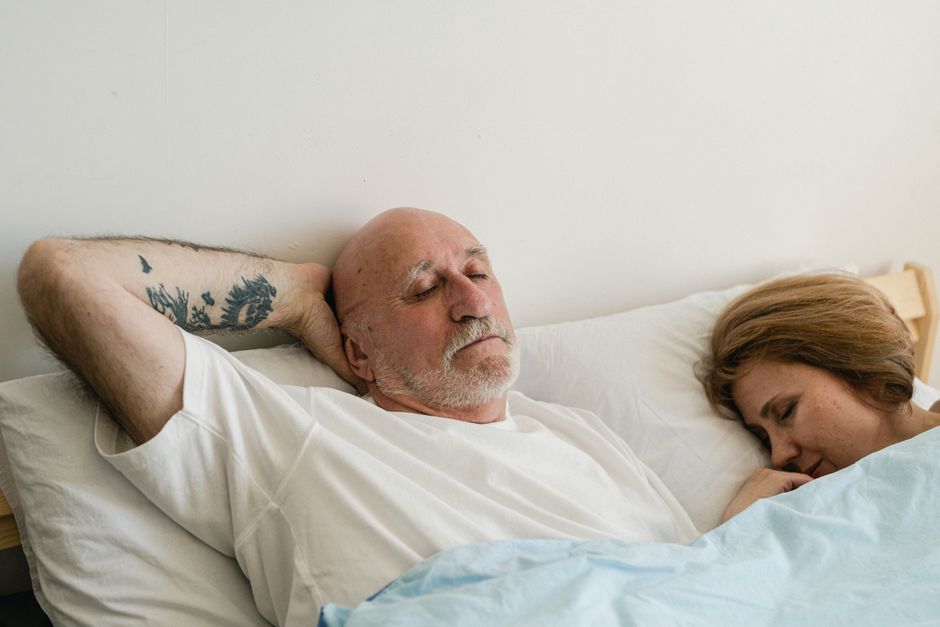
Sleep apnea treatment is not a single pill you can pick up at the pharmacy. The most effective treatment remains continuous positive airway pressure (CPAP) therapy, which keeps your airway open while you sleep. There are no FDA-approved pills that cure sleep apnea, but there are prescription medications for related issues like excessive daytime sleepiness, alongside oral appliances, positional therapy, and surgery for people who cannot tolerate CPAP. The right choice depends on your specific type of sleep apnea, its severity, and why CPAP may not be working for you.
What Is Sleep Apnea and Why Is CPAP the Standard?
Sleep apnea is a condition where your breathing repeatedly stops and starts during sleep. The most common form is obstructive sleep apnea (OSA), which happens when the muscles in the back of your throat relax too much to keep the airway open.
CPAP works by delivering a steady stream of pressurized air through a mask. That air physically holds your airway open, preventing the collapse that causes apnea events. This is not a cure, but it is highly effective at eliminating breathing pauses when used consistently.
Research consistently shows that CPAP reduces daytime sleepiness, improves blood pressure control, and lowers the risk of cardiovascular events in people with moderate to severe OSA. When used for at least four hours per night on most nights, the benefits are well documented.
Are There Any Pills That Treat Sleep Apnea?
There is no medication that treats the underlying airway collapse in obstructive sleep apnea. No pill has been approved by the FDA to cure OSA.
Some medications are used off-label to address symptoms. The most common are wakefulness-promoting agents like modafinil (Provigil) or armodafinil (Nuvigil). These do not treat the apnea itself. They only reduce the excessive daytime sleepiness that often accompanies the condition.
These drugs are typically prescribed only after CPAP use has been confirmed and the patient still experiences significant sleepiness. They are not a replacement for CPAP. Using them without treating the airway obstruction means the underlying health risks remain.
Other medications have been studied for OSA, including certain antidepressants and drugs that target upper airway muscle activity. Results have been mixed. No drug has demonstrated consistent, clinically meaningful improvement in apnea severity across large trials.
What About Oxygen Therapy or Positional Therapy?
Oxygen therapy alone does not treat obstructive sleep apnea. It can raise blood oxygen levels during sleep, but it does not prevent the airway from collapsing. For some people with central sleep apnea or certain heart conditions, oxygen may be part of a broader treatment plan, but it is not a first-line therapy for OSA.
Positional therapy is a simpler option for a specific subset of patients. About half of people with mild to moderate OSA have what is called positional sleep apnea, meaning their apnea events occur mainly when they sleep on their back. For these individuals, keeping them on their side can reduce apnea severity significantly.
Positional devices range from simple body pillows to wearable sensors that vibrate when you roll onto your back. The evidence for this approach is strongest in people with mild to moderate positional OSA who do not have significant apnea in other positions.

What Are the Alternatives to CPAP for People Who Cannot Tolerate It?
CPAP intolerance is a real problem. Studies suggest that up to half of people prescribed CPAP stop using it within the first year. Common complaints include mask discomfort, claustrophobia, nasal congestion, and noise.
For these individuals, oral appliance therapy is the most evidence-supported alternative. These devices, also called mandibular advancement devices, fit like a mouthguard and hold the lower jaw forward. That position pulls the tongue and soft palate forward, which keeps the airway open.
Oral appliances are most effective for mild to moderate OSA. They are generally less effective than CPAP for severe cases, but many people prefer them because they are quieter, easier to travel with, and less intrusive. A dentist trained in sleep medicine should fit these devices. Custom-made appliances work far better than over-the-counter boil-and-bite versions.
Another option is hypoglossal nerve stimulation, sometimes called an implantable airway stimulator. A surgeon places a small device under the skin in the chest, with a lead that stimulates the nerve controlling tongue movement. When you breathe in, the device activates the tongue to move forward and open the airway.
This therapy is approved for people with moderate to severe OSA who cannot tolerate CPAP and meet specific anatomical criteria. It is not for everyone, and it requires a surgical procedure. Outcomes are good in properly selected patients, but the candidacy evaluation is thorough.
When Is Surgery Considered for Sleep Apnea?
Surgery is not a first-line treatment. It is typically reserved for people who have failed CPAP and oral appliance therapy, or who have a specific anatomical obstruction that surgery can correct.
Common procedures include tonsillectomy, uvulopalatopharyngoplasty (UPPP) to remove excess throat tissue, and nasal surgery to correct structural blockages. In children, tonsillectomy and adenoidectomy are frequently curative for OSA. In adults, results are less predictable.
Weight loss surgery is a different category. For people with obesity and OSA, bariatric surgery often leads to substantial improvement or even resolution of the condition. The effect is gradual, and CPAP is usually continued until weight loss is sustained.
No surgical procedure guarantees a cure. Success rates vary widely depending on the specific anatomy involved and the severity of the apnea.
What Role Does Weight Loss and Lifestyle Play?
Weight loss is the single most powerful lifestyle intervention for obstructive sleep apnea. Excess weight, especially around the neck, compresses the airway and increases the likelihood of collapse during sleep.
Research shows that losing 10% of body weight can significantly reduce apnea severity in many people. In some cases of mild OSA, weight loss alone can bring the apnea-hypopnea index into the normal range. For people with moderate to severe OSA, weight loss can reduce the pressure needed on CPAP, making the therapy more comfortable.
Aerobic exercise and alcohol avoidance also matter. Alcohol relaxes the throat muscles and can worsen apnea events. Avoiding alcohol, especially in the evening, reduces apnea frequency in many people. Regular exercise improves sleep quality and may reduce apnea severity independent of weight loss.
Sleep position matters too, as described above. The combination of weight loss, positional therapy, and consistent CPAP use offers the best outcomes for most people.
What Should You Do If CPAP Is Not Working for You?
Do not stop CPAP without a plan. If you are struggling with the mask, the pressure, or the noise, talk to your sleep specialist. Many common problems have straightforward fixes.
Mask fit is the most frequent issue. A different mask style — nasal pillows instead of a full-face mask, for example — can resolve discomfort. Heated humidification reduces nasal dryness and congestion. Ramp settings allow you to fall asleep at a lower pressure before it increases to the therapeutic level.
If you have tried these adjustments and still cannot tolerate CPAP, ask about a repeat sleep study. Your pressure requirements may have changed. Some people also benefit from a different PAP device, such as an auto-adjusting positive airway pressure (APAP) machine that varies pressure throughout the night.
Untreated sleep apnea carries real risks. It increases the risk of high blood pressure, heart attack, stroke, and type 2 diabetes. Daytime sleepiness also raises the risk of motor vehicle accidents. Finding a treatment you can stick with matters more than which specific treatment you choose.
What Is the Most Important Thing to Remember About Sleep Apnea Treatment?
Sleep apnea is a chronic condition. Like high blood pressure or diabetes, it requires ongoing management. There is no single pill that fixes it, and no quick cure.
The most important step is getting an accurate diagnosis through a sleep study. That tells you the severity of your apnea and whether it is obstructive, central, or mixed. From there, treatment decisions should be made with your sleep specialist, not based on internet recommendations.
If CPAP works for you, use it. If it does not, there are alternatives with real evidence behind them. The worst outcome is doing nothing.
Frequently Asked Questions
Are there any pills that cure sleep apnea?
No. No medication has been approved to cure obstructive sleep apnea. Some drugs treat daytime sleepiness, but they do not fix the airway collapse that causes apnea events.
What is the best alternative to CPAP for sleep apnea?
Oral appliance therapy is the most evidence-supported alternative for mild to moderate OSA. Hypoglossal nerve stimulation is an option for moderate to severe cases in people who cannot tolerate CPAP and meet specific criteria.
Can weight loss alone cure sleep apnea?
Weight loss can significantly reduce apnea severity and may resolve mild cases, but it does not reliably cure moderate or severe OSA. CPAP or another treatment is usually still needed until sustained weight loss is achieved.
Is it safe to use a CPAP machine with a cold or nasal congestion?
Yes. Using heated humidification and a saline nasal spray can help. Nasal congestion is a common reason people stop CPAP, but adjusting the humidity and mask type usually resolves the problem.
