
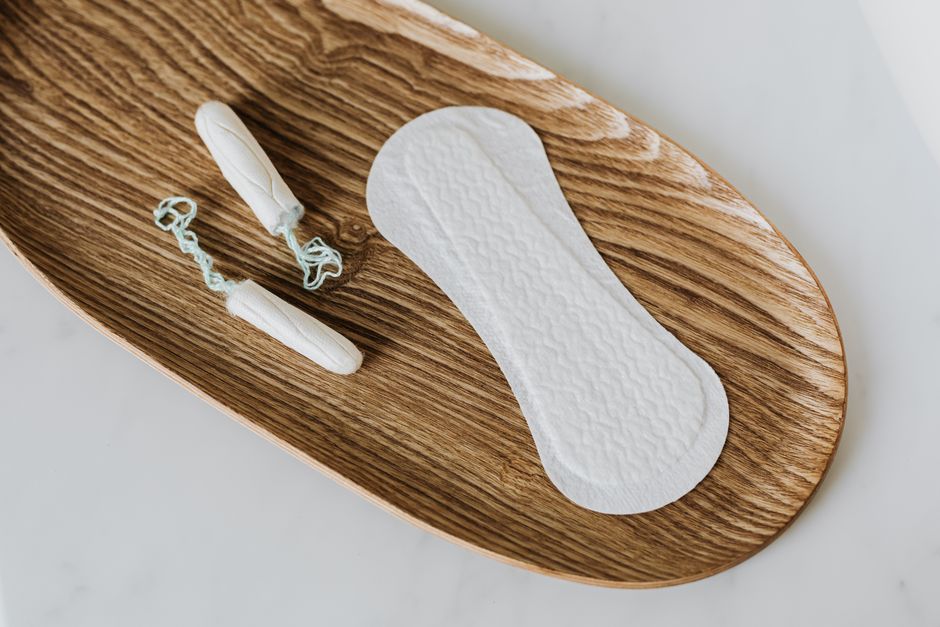
No, you should not flush tampons down the toilet. Tampons do not break down in water like toilet paper does, and flushing them causes plumbing blockages, costly repairs, and environmental damage. Even products labeled as “flushable” do not safely dissolve, and the only correct way to dispose of a tampon is in a trash can.
Why Tampons Do Not Break Down In Water
Toilet paper is designed to dissolve quickly when it hits water. Tampons are designed for the opposite purpose. They are made to absorb fluid and hold their shape while inside the body.
Most tampons are made from cotton, rayon, or a blend of both. The fibers are densely packed and often wrapped in a non-woven material that keeps the tampon intact. Some tampons also have a plastic or cardboard applicator, which does not break down at all.
When a tampon enters a pipe, it absorbs water and swells. It does not shred or dissolve. It simply grows larger and becomes lodged in the pipe. This is the core reason flushing is a problem: the tampon does not go away, it just moves downstream until it gets stuck.
What Happens To A Flushed Tampon
Once a tampon leaves your toilet, it enters your home’s plumbing. If your pipes are narrow or have any bends, the swollen tampon can catch there. A single tampon may not cause an immediate blockage, but tampons accumulate over time. They combine with other debris, grease, and hair to form clogs that stop water flow entirely.
If the tampon makes it past your home’s pipes, it enters the municipal sewer system. Tampons do not break down during the journey. They reach wastewater treatment plants intact and must be removed by mechanical screens. This is an expensive and ongoing problem for water treatment facilities.
Tampons that bypass treatment screens entirely end up in rivers, lakes, and oceans. Environmental groups have documented tampons and their applicators washing up on shorelines. These items can take years to degrade, and they release microplastics when they finally do. This is not a rare event. It is a well-documented consequence of flushing.
What About “Flushable” Tampons Or Applicators
Some tampon applicators are marketed as flushable. This claim is misleading. The term “flushable” refers to the ability of an item to pass through a toilet, not its ability to break down safely in a sewer system.
Research on flushable wipes has shown that many products labeled “flushable” do not disintegrate in water. Tampon applicators face the same issue. Cardboard applicators may soften, but they do not dissolve quickly enough to avoid clogs. Plastic applicators never break down.
Water utilities across the United States have publicly stated that no tampon or tampon applicator should be flushed, regardless of packaging claims. The packaging is designed to sell a product, not to protect your plumbing.





What To Do Instead Of Flushing
The correct disposal method is simple: wrap the tampon in toilet paper and place it in a trash can. This applies to the tampon itself, the applicator, and the wrapper.
If you are concerned about odor, use a small lidded trash can in the bathroom. Many people use dedicated disposal bags or liners for menstrual products. These are inexpensive and effective.
Public restrooms often provide sanitary disposal bins in each stall. If one is available, use it. If not, wrap the tampon and place it in the main trash receptacle. Never flush it because no public restroom plumbing is designed to handle tampons.
For people who prefer not to create any waste at all, menstrual cups and reusable period underwear are alternatives that do not require flushing or disposal. These products are washed and reused. They are not for everyone, but they eliminate the disposal question entirely.
Cost Of Flushing Tampons: Plumbing Repairs
Plumbers consistently report that feminine hygiene products are among the most common causes of household toilet clogs. A single blockage can require a plumber’s visit, which typically costs between $150 and $400 depending on the severity and location of the clog.
If the blockage occurs in the main sewer line, the cost rises significantly. Clearing a main line blockage can cost $500 or more. In severe cases, sections of pipe must be replaced, which costs thousands of dollars.
These costs are entirely preventable. No amount of water pressure will break down a tampon. The only way to avoid the repair bill is to keep the tampon out of the toilet.
Environmental Impact Of Flushed Tampons
The environmental damage from flushed tampons is not limited to the products themselves. Sewer overflows caused by blockages release untreated wastewater into streets and waterways. This is a public health concern, not just an aesthetic one.
When raw sewage overflows, it carries pathogens, chemicals, and other contaminants into the environment. Tampons are a contributing factor to these overflows because they are a major cause of pump station clogs. Municipalities spend significant resources removing tampons and other non-flushable items from their systems.
The plastic in tampon applicators is a persistent pollutant. Plastic does not biodegrade. It fragments into smaller and smaller pieces, which enter the food chain. This is the same problem as plastic bags and bottles, but tampon applicators receive far less attention.
Are There Any Tampons That Can Be Flushed
No. There is no tampon on the market that is safe to flush. This includes organic tampons, biodegradable tampons, and tampons made from 100% cotton.
Organic and biodegradable tampons break down eventually, but not quickly enough to prevent plumbing problems. They still swell in water and can cause blockages. The word “biodegradable” describes what happens over months or years in a compost facility, not what happens in your pipes.
Some companies have tried to create flushable menstrual products, but none have gained acceptance from plumbing or wastewater professionals. The fundamental problem is that any product designed to absorb fluid and hold its shape will also clog pipes.
What About Applicators: Cardboard Vs. Plastic
Cardboard applicators are sometimes flushed because people assume they will break down. They do soften in water, but they do not dissolve quickly. A softened cardboard applicator can still lodge in a pipe bend.
Plastic applicators are worse. They are rigid and do not change in water. They travel through pipes until they hit an obstruction, then they block it. Plastic applicators are also a major source of beach pollution.
Neither type should be flushed. Both belong in the trash.
What If You Accidentally Flush A Tampon
A single accidentally flushed tampon may not cause an immediate problem. If your toilet still flushes normally and drains properly, you may not need to do anything. Watch for signs of a developing clog over the next few days.
Signs of a clog include a toilet that flushes slowly, gurgling sounds from the drain, or water backing up into the tub or shower. If you notice any of these signs, stop using the toilet and call a plumber. Do not keep flushing in an attempt to push the tampon through. This usually makes the problem worse.
If you flush a tampon and the toilet immediately overflows or drains very slowly, the tampon is likely caught close to the toilet. A plunger may resolve this, but it is not guaranteed. If a plunger does not work within a few attempts, stop and call a professional.
Frequently Asked Questions
Can one tampon clog a toilet?
One tampon can clog a toilet if it lodges in a narrow pipe or a bend. More often, clogs develop after multiple tampons accumulate over time.
Do biodegradable tampons dissolve in water?
No. Biodegradable tampons break down over months in the right conditions, but they do not dissolve quickly enough to avoid blocking pipes.
Can you flush tampon applicators?
No. Cardboard applicators soften but do not dissolve, and plastic applicators never break down. Both cause clogs and environmental pollution.
What is the safest way to dispose of tampons?
Wrap the tampon in toilet paper and place it in a trash can. Use a lidded bin in your bathroom if odor is a concern.
