
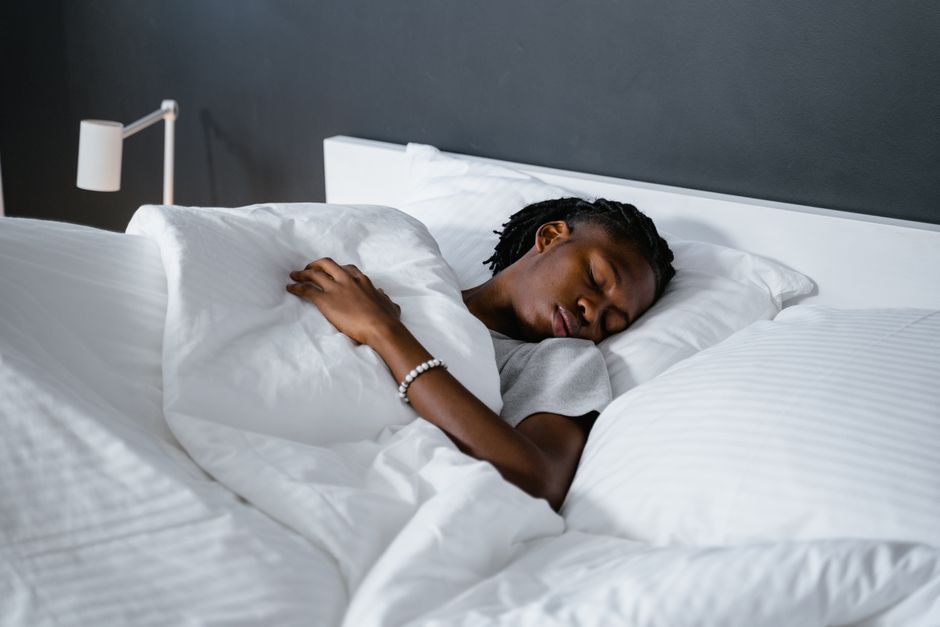
Waking up with sore muscles can make the next night of sleep feel like a challenge. The right sleeping position can reduce pressure on tender areas and help your body rest. For most people, sleeping on your back with a pillow under your knees is the best starting point, while side sleepers should place a pillow between their legs to keep the spine aligned. These simple adjustments take strain off the muscles that are already working to recover.
Why Do Muscles Feel Sore at Night?
Soreness at night usually comes from the same causes as daytime soreness. Delayed onset muscle soreness, often called DOMS, typically peaks 24 to 72 hours after exercise. This is a normal response to unfamiliar or intense physical activity, especially eccentric movements like lowering a weight slowly.
But soreness can also come from everyday strain. Sitting at a desk for hours, sleeping on an old mattress, or carrying a heavy bag can leave muscles tight by evening. The body’s repair processes ramp up during sleep, which is why comfort matters so much at night.
If soreness follows an injury, feels sharp, or lasts longer than a week without improving, it may be more than ordinary muscle fatigue. In that case, checking with a healthcare provider is the right step before adjusting sleep positions alone.
How To Sleep With Sore Muscles Positions Relief
The most effective sleeping position depends on where the soreness is located. No single position works for everyone, but a few general rules apply to most people.
Back sleeping distributes weight evenly across the body. This takes pressure off the shoulders, hips, and lower back. Placing a pillow under the knees slightly bends the legs, which relaxes the lower back muscles and reduces strain on the hip flexors.
Side sleeping is a good alternative for people who cannot sleep on their back. The key is keeping the spine in a straight line. A pillow between the knees prevents the top leg from pulling the pelvis out of alignment, which can worsen hip and lower back soreness.
Stomach sleeping is the hardest position on the body. It forces the neck to rotate to one side and puts pressure on the lower back. If stomach sleeping is the only position that works, placing a flat pillow under the pelvis can reduce some of the strain, but most experts recommend transitioning away from this position.
Best Positions for Specific Muscle Groups
Targeted soreness calls for targeted positioning. Adjusting how you lie can take direct pressure off the muscles that hurt most.
Lower Back Soreness
Sleep on your back with a pillow under your knees. This flattens the natural curve of the lower back and reduces tension in the lumbar muscles. Side sleepers should draw their knees up slightly toward the chest and keep a pillow between the legs.
Neck and Shoulder Soreness
Use a pillow that keeps your head and neck aligned with your spine. The pillow should fill the gap between your head and the mattress without tilting your head up or down. Side sleepers need a thicker pillow than back sleepers to maintain alignment.
Hip and Glute Soreness
Side sleepers should place a firm pillow between the knees. This prevents the top hip from rotating forward and straining the gluteal muscles. Back sleepers can place a pillow under the knees to reduce tension in the muscles that attach to the pelvis.
Upper Back and Rib Soreness
Back sleeping with a small pillow or rolled towel under the upper back can provide gentle support. Avoid pillows that are too thick, as they can push the chest forward and strain the muscles between the shoulder blades.




How Pillows and Mattress Support Affect Muscle Recovery
Your pillow and mattress are not just comfort items. They determine whether your spine stays in a neutral position through the night. A neutral spine means the natural curves of the neck and lower back are maintained without excessive bending or twisting.
A mattress that is too soft lets the hips and shoulders sink, which twists the spine. A mattress that is too firm creates pressure points at the hips and shoulders. The right firmness depends on your weight and preferred sleeping position, but medium-firm mattresses tend to work well for most people.
Pillows serve a specific purpose: filling the space between your head and the mattress. A pillow that is too thick or too flat forces the neck out of alignment, which can worsen shoulder and neck soreness by morning. Memory foam and adjustable pillows allow you to fine-tune the height.
Consider replacing a mattress that is visibly sagging or more than 8 to 10 years old. While there is no universal rule for mattress lifespan, visible wear and waking up with new soreness are reasonable signs that support has declined.
Should You Use Heat or Ice Before Bed?
Heat and ice serve different purposes, and using them correctly matters.
Heat relaxes tight muscles and increases blood flow. A warm shower or heating pad applied for 15 to 20 minutes before bed can ease muscle stiffness and make it easier to get comfortable. Heat is generally a good choice for soreness that feels tight or achy.
Ice reduces inflammation and numbs sharp pain. If a muscle feels hot, swollen, or was recently injured, ice applied for 15 to 20 minutes may be more appropriate. Do not apply ice directly to the skin. Wrap it in a cloth or towel to prevent frostbite.
Never sleep with a heating pad or ice pack in bed. Both can cause burns or tissue damage with prolonged contact. Use them before getting into bed, then remove them.
Can Stretching Before Bed Help or Hurt?
Gentle stretching before bed can help some people feel more comfortable. Light stretching increases blood flow and can reduce the feeling of tightness in sore muscles.
But aggressive stretching of already sore muscles can make things worse. Sore muscles are recovering from microdamage. Pushing them to their limits before bed can increase pain and delay recovery.
Static stretching, where you hold a position for 20 to 30 seconds, is generally safer than ballistic stretching, which involves bouncing. Stretch only to the point of mild tension, never to the point of pain. If a stretch hurts, stop.
Some research suggests that gentle movement, rather than complete rest, supports recovery from muscle soreness. Light walking or easy cycling during the day can help, but intense exercise on sore muscles is not recommended.
Other Ways To Improve Sleep Quality With Sore Muscles
Position is only one part of the equation. Other factors can make it easier to fall asleep and stay asleep when your body is uncomfortable.
Keep your bedroom cool. The body’s core temperature drops naturally during sleep, and a cooler room supports this process. Most people sleep best in a room around 65 degrees Fahrenheit, though individual preference matters.
Consider a consistent wind-down routine. Going to bed at the same time each night and avoiding screens for 30 minutes before bed can help your body transition into sleep. This matters more when pain or discomfort makes sleep harder to achieve.
Over-the-counter pain relievers like acetaminophen or ibuprofen can reduce soreness enough to help you sleep. Use them according to the label directions. If you take other medications or have health conditions, check with a pharmacist or doctor first.
Magnesium supplements are sometimes promoted for muscle soreness and sleep. The evidence is mixed. Some studies suggest magnesium may help with muscle cramps, but no large clinical trials have confirmed it improves sleep quality or speeds recovery from soreness. If you are considering a supplement, talk to a healthcare provider about whether it is appropriate for you.
When Soreness Is Not Normal
Most muscle soreness resolves within a few days. But some symptoms warrant medical attention.
Seek care if soreness is accompanied by dark urine, severe weakness, or swelling in the affected limb. These can be signs of rhabdomyolysis, a serious condition where muscle tissue breaks down and releases harmful proteins into the bloodstream.
Also seek care if soreness follows a fall, twist, or impact and does not improve within a few days. What feels like muscle soreness can sometimes be a strain, sprain, or fracture that needs specific treatment.
Sudden, severe pain that wakes you from sleep is not normal muscle soreness. This pattern can indicate a more serious problem and should be evaluated by a healthcare provider.
Frequently Asked Questions
What is the best position to sleep with sore muscles?
Sleeping on your back with a pillow under your knees is the best overall position for sore muscles. Side sleepers should place a pillow between their knees to keep the spine aligned.
Should I sleep with a heating pad on sore muscles?
No. Never sleep with a heating pad or ice pack in bed because prolonged contact can cause burns. Use heat or ice for 15 to 20 minutes before bed, then remove it.
Is it okay to stretch sore muscles before bed?
Gentle stretching is fine if it does not cause pain. Aggressive stretching of sore muscles can increase discomfort and delay recovery.
How long does muscle soreness usually last?
Normal muscle soreness from exercise typically peaks within 24 to 72 hours and resolves within a few days. If soreness lasts longer than a week or gets worse, see a healthcare provider.
