
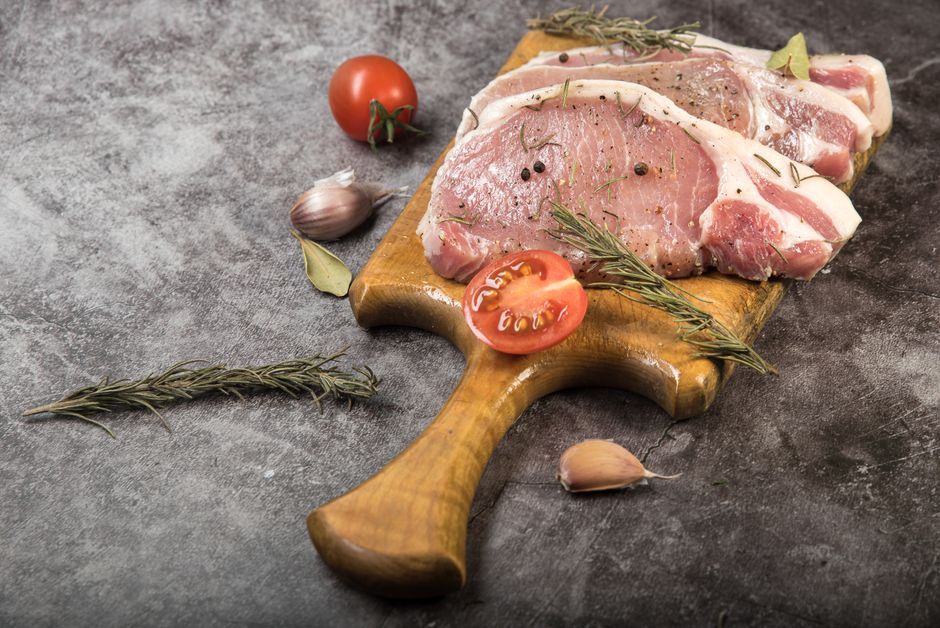
Knowing when a pork chop is done comes down to one reliable tool: a meat thermometer. The safe internal temperature for pork is 145°F (63°C), followed by a three-minute rest. This temperature, set by food safety authorities, ensures the meat is safe to eat while keeping it juicy and tender. Without a thermometer, you are guessing, and guessing with pork is risky.
Why 145°F Is the Safe Temperature for Pork
For decades, the advice was to cook pork until it reached 160°F (71°C). That older guidance produced dry, tough chops because it was based on concerns about a parasite called Trichinella spiralis, which causes trichinosis. Modern farming practices have dramatically reduced the presence of this parasite in commercial pork.
In 2011, the USDA updated its recommendation. The safe internal temperature for whole cuts of pork, including chops, is now 145°F (63°C). After you pull the chop off the heat, let it rest for at least three minutes. During this rest, the temperature continues to rise slightly, and any remaining harmful bacteria are destroyed.
This change was not about making pork trendier. It was based on data showing that holding pork at 145°F for three minutes achieves the same level of food safety as cooking it to 160°F instantly. The lower temperature also preserves moisture and flavor.
How To Know When a Pork Chop Is Done Without a Thermometer
You can check doneness without a thermometer, but the methods are less reliable. The most common visual and tactile checks include cutting into the meat, checking the color of the juices, and pressing the meat to feel its firmness.
Cutting into a chop to check doneness is the least accurate method. It releases the juices that keep the meat moist, and the color of the meat can be misleading. A pork chop that looks slightly pink near the bone can still be safe to eat if it reached 145°F. Conversely, pork that looks brown and dry on the outside can still be undercooked in the center.
The juice test is also unreliable. Clear juices are a sign of doneness in some cuts, but not all. A pork chop that is still slightly pink inside can produce clear juices, especially if it has been brined or marinated. Relying on juice color alone is not a safe method.
The firmness test, or the “touch test,” compares the feel of the meat to the muscle at the base of your thumb. A rare steak feels like the fleshy area when your hand is relaxed. A well-done piece feels like that same area when your thumb and pinky finger touch. This method requires practice and is easy to get wrong. It is not a substitute for a thermometer.
Using a Meat Thermometer Correctly
A digital instant-read thermometer is the only accurate way to know when a pork chop is done. It is inexpensive, fast, and removes all guesswork. Insert the probe into the thickest part of the chop, avoiding the bone. The bone conducts heat differently and will give you a false reading.
If you are cooking multiple chops, check each one individually. Chops of the same thickness can cook at different rates depending on their position in the pan or on the grill. The chop closest to the heat source will finish faster than one on the edge.
For thin chops, under one inch thick, the thermometer can be tricky to use because the probe may pass through the meat. Insert the probe from the side, horizontally, so the tip sits in the center of the chop. This gives a more accurate reading than pushing the probe straight down.


Resting Time Matters as Much as Temperature
Resting is not optional. When you pull a pork chop off the heat at 145°F, the internal temperature will continue to climb for several minutes. This is called carryover cooking. The temperature can rise by 5 to 10 degrees during rest, depending on the size of the chop and the cooking method.
The three-minute rest also allows the muscle fibers to relax. If you cut into a chop immediately, the juices run out onto the cutting board. After a short rest, the juices redistribute throughout the meat, and each bite stays moist.
Cover the chops loosely with foil during the rest. Tightly wrapping them will trap steam and soften the crust you worked to create. A loose tent keeps the meat warm without ruining the texture.
Different Cooking Methods and Their Target Temperatures
The target temperature of 145°F applies to all cooking methods for whole pork chops. Pan-searing, grilling, baking, and sous vide all require the same final internal temperature. The method changes how you get there, not where you end up.
For pan-seared chops, use a hot pan and a small amount of oil. Sear each side for two to three minutes until a golden crust forms, then reduce the heat and continue cooking until the center reaches 145°F. The crust is flavor, but it is not a sign of doneness.
Grilled chops benefit from a two-zone fire. Sear over high heat, then move the chops to the cooler side of the grill to finish cooking. This prevents the outside from burning while the center catches up.
Baked chops in the oven at 400°F (204°C) typically take 15 to 20 minutes for a one-inch chop, but timing varies by oven and starting temperature. Always verify with a thermometer rather than relying on a timer. Sous vide is the exception to the rest rule. Chops cooked sous vide have already held their temperature for an extended period, so they are safe without the three-minute rest, though resting still improves texture.
What About Pork That Is Slightly Pink?
Pink meat does not mean undercooked pork. This is one of the most persistent myths in home cooking. The color of cooked pork depends on several factors, including the cut, the cooking method, and whether the pork was cured or smoked.
Smoked pork chops can remain pink even when fully cooked. The smoke creates a chemical reaction that stabilizes the pink color. Brined pork also retains a pink tint at safe temperatures. The only reliable indicator of doneness is the internal temperature, not the color.
If your thermometer reads 145°F and the chop has rested for three minutes, it is safe to eat regardless of its color. Trust the thermometer over what your eyes tell you.
Common Mistakes That Lead to Overcooked or Undercooked Pork
The most common mistake is cooking by time instead of temperature. Recipes that say “cook for 10 minutes per side” cannot account for variations in chop thickness, pan temperature, or starting temperature. A cold chop straight from the fridge takes longer than one that sat on the counter for 20 minutes.
Another mistake is pressing down on the chop while it cooks. This squeezes out the juices and creates a drier final product. It also does not speed up cooking in any meaningful way.
Cooking pork chops straight from the refrigerator is another issue. The center of a cold chop will take longer to reach 145°F, which means the outside may overcook before the inside is done. Let the chops sit at room temperature for 15 to 20 minutes before cooking. This is not a food safety risk for short periods, and it produces more even cooking.
Frequently Asked Questions
Is it safe to eat pork chops that are slightly pink inside?
Yes, if the internal temperature reached 145°F and the meat rested for three minutes. Color is not a reliable indicator of doneness for pork.
What temperature should pork chops be when done?
Pork chops are done at 145°F (63°C) measured in the thickest part of the meat. Let them rest for three minutes before serving.
Can I eat pork chops at 150°F?
Yes, 150°F is safe and will produce a slightly more well-done chop. The meat may be a bit drier than one cooked to 145°F, but it is still safe to eat.
How long should pork chops rest after cooking?
Rest pork chops for at least three minutes after they reach 145°F. The temperature will continue to rise during this time, and the juices will redistribute.
