
Mold poisoning, also called mold illness, is not a single disease with one clear test. It is a set of symptoms that happen when you breathe in mold spores or touch mold. The most reliable way to know if mold is affecting you is to connect your symptoms to a moldy environment, then see if you improve when you leave that space. No single blood test can diagnose mold poisoning, but doctors can test for allergies, inflammation, and specific toxins to build a fuller picture.
What Is Mold Poisoning and Does It Really Happen?
Mold is a type of fungus that grows in damp places. It releases tiny spores into the air. When you inhale those spores, your immune system may react.
Most healthy people handle mold exposure without serious problems. Their bodies clear the spores quickly. But some people have stronger reactions. Others have underlying conditions that make them more sensitive.
The term “mold poisoning” is not a formal medical diagnosis. Doctors do not use that phrase in clinical guidelines. Instead, they talk about mold allergy, allergic fungal sinusitis, or hypersensitivity pneumonitis. These are real conditions with real symptoms.
What people call mold poisoning is usually a combination of allergic symptoms and inflammation triggered by mold exposure. In rare cases, certain molds produce toxins called mycotoxins. These toxins can cause more serious effects, but the scientific evidence on how they affect humans through everyday household exposure is still limited.
What Are the Common Signs of Mold Exposure?
Symptoms vary from person to person. The most common signs are similar to allergies or a cold that will not go away.
- Runny or stuffy nose
- Sneezing and coughing
- Itchy, watery, or red eyes
- Sore throat
- Wheezing or shortness of breath
- Skin rash or dry, scaly skin
- Headaches
- Fatigue that does not improve with rest
These symptoms often get worse in the moldy environment and improve when you leave. That pattern is a strong clue. If your symptoms clear up on vacation and return when you come home, mold could be the cause.
People with asthma may notice more frequent or severe attacks. People with weakened immune systems or chronic lung disease can have more serious reactions.
How Can You Tell If Mold Is Making You Sick?
The most practical approach is a simple test you can do at home. Leave the suspected environment for a few days. If your symptoms improve, mold is a likely contributor.
This is not a formal medical test, but it is how many doctors approach the problem. They look for a clear pattern between exposure and symptoms.
You can also look for visible mold in your home. Check bathrooms, basements, kitchens, and areas near windows or pipes. Mold often appears as black, green, or white patches. It has a musty smell that is hard to miss.
If you find mold, cleaning it up and fixing the moisture problem is the first step. The health effects of mold are caused by ongoing exposure. Removing the source is the most effective treatment.
Keep in mind that some people are sensitive to mold even when they cannot see it. Mold can grow behind walls, under floors, or in air conditioning systems. A musty odor is often the only clue.




What Tests Do Doctors Actually Use?
No single test confirms mold poisoning. Doctors use a combination of approaches to understand your symptoms.
An allergy test can show if your immune system reacts to mold. Skin prick tests and blood tests for specific IgE antibodies are well-established methods. These tests are reliable for diagnosing mold allergy.
If your symptoms are mainly respiratory, your doctor may order lung function tests. These measure how well your lungs move air in and out.
In some cases, imaging tests like chest X-rays or CT scans are used. These can show inflammation in the lungs if mold exposure has caused a more serious condition.
Some clinics offer urine tests for mycotoxins. These tests look for mold toxins in your body. The evidence supporting their usefulness is limited. No major medical organization currently recommends them as a standard diagnostic tool. Results can be hard to interpret, and normal levels are not well defined.
Be cautious about tests that promise to diagnose mold toxicity with a single sample. The science is not there yet. A thorough medical evaluation is more useful than any single test.
When Should You See a Doctor?
See a doctor if your symptoms are severe, persistent, or getting worse. This is especially important if you have asthma, a weakened immune system, or a chronic lung condition.
Seek urgent medical care if you have trouble breathing, chest pain, or coughing up blood. These symptoms require immediate attention.
During your visit, be specific about your symptoms and when they started. Mention any mold you have seen or smelled in your home or workplace. This information helps your doctor connect the dots.
Your doctor may refer you to an allergist or a pulmonologist. These specialists have more tools for evaluating mold-related conditions.
How Is Mold-Related Illness Treated?
Treatment depends on the specific condition causing your symptoms. The first step is always reducing exposure to mold.
For mold allergies, standard allergy medications are often effective. Antihistamines reduce sneezing, itching, and runny nose. Nasal corticosteroids decrease inflammation in the nasal passages. Decongestants can help with stuffiness.
Some people benefit from allergy shots, also called immunotherapy. This treatment gradually exposes you to small amounts of the allergen to build tolerance over time.
For more serious conditions like hypersensitivity pneumonitis, treatment may involve corticosteroids to reduce lung inflammation. This condition requires a doctor’s care and follow-up.
There is no medication that “detoxifies” mold from your body. Products that claim to do this are not supported by clinical evidence. Your body clears mold spores and toxins on its own once exposure stops.
How To Prevent Mold Growth in Your Home
Prevention is more effective than treatment. Mold needs moisture to grow. Control moisture and you control mold.
Fix leaks promptly. Check roofs, pipes, and windows regularly. Dry wet areas within 24 to 48 hours to prevent mold from taking hold.
Use exhaust fans in bathrooms and kitchens to reduce humidity. Keep indoor humidity between 30 and 50 percent. A dehumidifier can help in damp basements.
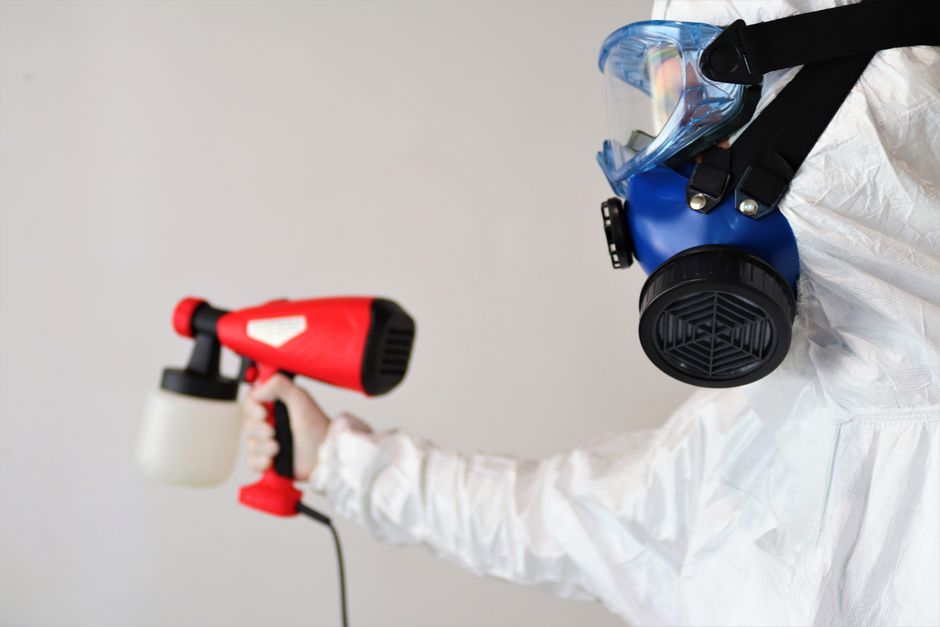
Clean visible mold with soap and water or a commercial mold cleaner. Wear gloves and a mask while cleaning. For large areas of mold, more than 10 square feet, consider hiring a professional.
Remove porous materials that are heavily moldy, such as drywall, carpet, or ceiling tiles. These cannot be cleaned effectively and should be replaced.
Can Mold Cause Long-Term Health Problems?
Most mold exposure does not cause permanent health damage in healthy people. Symptoms usually resolve once the mold source is removed.
Long-term problems are more likely in specific groups. Infants, older adults, and people with compromised immune systems are at higher risk. People with chronic lung conditions may experience worsening of their disease.
Research on the long-term effects of mold exposure is ongoing. Some studies suggest a link between mold in homes and the development of asthma in children. The evidence is not conclusive, but it is enough to take mold problems seriously.
There is no solid evidence that mold causes memory loss, brain fog, or chronic fatigue in otherwise healthy people. These symptoms are real, but attributing them to mold exposure alone is not supported by current science.
Frequently Asked Questions
Can a blood test tell me if I have mold poisoning?
No single blood test can diagnose mold poisoning. Allergy blood tests can confirm mold allergy, but they cannot tell you if mold is causing your specific symptoms.
How long does it take to feel better after leaving a moldy environment?
Many people notice improvement within days, but full recovery can take weeks or months depending on the severity of symptoms and how long you were exposed.
Is black mold more dangerous than other mold?
Black mold gets more attention, but any mold can trigger allergic reactions in sensitive people. The color of mold does not determine how dangerous it is.
Should I test my home for mold before cleaning it?
Home mold testing is rarely necessary. If you can see mold or smell a musty odor, you have a mold problem. Focus on finding and fixing the moisture source.
