
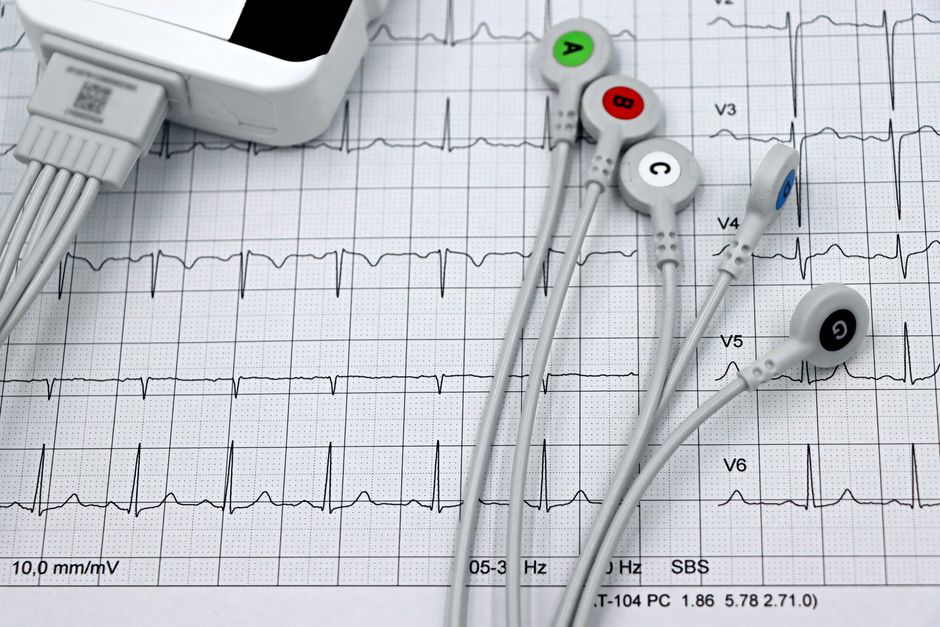
Aphasia is a language disorder caused by damage to the brain, most often from a stroke or head injury. Diagnosis is not a single test but a process that combines a detailed medical history, a physical exam, and specialized language testing. In many cases, doctors also use imaging tests like an MRI or CT scan to find the exact location and cause of the brain damage. The process is designed to identify what type of aphasia a person has and to rule out other conditions that can affect speech and comprehension.
What Happens During the Initial Medical Evaluation?
The first step is usually an emergency assessment. If someone suddenly cannot speak or understand language, doctors first work to stabilize them and rule out life-threatening issues. This includes checking blood pressure, heart rate, and oxygen levels. A doctor will also perform a basic neurological exam to check reflexes, movement, and coordination. This helps determine if the problem is isolated to language or if other brain functions are affected.
Once the person is stable, the doctor takes a detailed history. They ask about when the symptoms started, how quickly they came on, and whether the person has risk factors like high blood pressure, diabetes, or a history of heart disease. A sudden onset of language problems points strongly toward a stroke. A gradual onset over weeks or months suggests a different cause, such as a tumor or a degenerative condition. Family members are often asked to describe what they observed, because the person with aphasia may not be able to communicate their own history clearly.
How Is Aphasia Diagnosed Exams Imaging Tests
The core of an aphasia diagnosis is a formal language assessment. This is not a casual conversation. It is a structured test administered by a speech-language pathologist. The testing is designed to evaluate all four major language domains: speaking, understanding, reading, and writing.
During the speaking portion, the clinician asks the person to name objects, repeat phrases, and produce sentences. They listen for specific errors, such as substituting one word for another or using made-up words. The comprehension portion asks the person to follow simple and complex commands, like “point to the window” or “after touching your nose, point to the door.” Reading and writing are assessed separately, often with tasks like matching words to pictures or writing a sentence from dictation.
There are several standardized tests used for this purpose. The Boston Diagnostic Aphasia Examination and the Western Aphasia Battery are two of the most common. These tests take anywhere from 30 minutes to over an hour. They provide a score that helps classify the aphasia into a specific type, such as Broca’s, Wernicke’s, or anomic aphasia. This classification matters because different types affect different parts of the language network and have different recovery patterns.
What Do Imaging Tests Show?
Imaging tests are essential for finding the cause of aphasia. They do not directly measure language ability, but they show the structure of the brain and reveal damage. The two most common imaging tests are the CT scan and the MRI.
A CT scan (computed tomography) uses X-rays to create cross-sectional images of the brain. It is fast and widely available, making it the first test used in most emergency rooms. A CT scan can quickly show bleeding in the brain, which requires immediate treatment. It can also show large areas of damage from a stroke. However, a CT scan may not show very small areas of damage or damage that occurred in the first few hours.
An MRI (magnetic resonance imaging) uses magnetic fields and radio waves to create more detailed images. It is better than a CT scan at showing small strokes, especially in the first 24 hours. An MRI can also reveal tumors, infections, or areas of tissue damage from conditions like multiple sclerosis. Because it takes longer and is more expensive, an MRI is often done after the person is stable, not in the emergency setting.
A specialized type of MRI called diffusion-weighted imaging is particularly useful for detecting a stroke within minutes of its onset. Some hospitals also use CT or MR angiography, which looks at the blood vessels in the neck and brain to identify blockages or narrowing. These tests help doctors understand why the stroke happened, which guides treatment to prevent another one.




Are There Other Tests Used?
In some cases, additional tests are needed. An electroencephalogram, or EEG, measures the electrical activity of the brain. It is used if the doctor suspects seizures, which can sometimes cause temporary language problems. A lumbar puncture, also called a spinal tap, involves taking a sample of the fluid around the brain and spinal cord. This test is used when an infection or inflammatory condition is suspected.
If the language problems have been developing slowly over time, the doctor may order neuropsychological testing. This is a more comprehensive evaluation that looks at memory, attention, problem-solving, and other cognitive functions, not just language. This helps distinguish aphasia from conditions like dementia or mild cognitive impairment. It can also identify whether the person has apraxia of speech, which is a separate disorder affecting the ability to plan the movements needed for speech.
Why Is Early Diagnosis Important?
Early diagnosis matters for two main reasons. First, it identifies the underlying cause. If the cause is a stroke, immediate treatment can limit brain damage and reduce the risk of a second stroke. If the cause is a tumor or infection, treating that condition directly may improve the aphasia.
Second, early diagnosis allows speech therapy to begin sooner. Research consistently shows that intensive speech and language therapy is most effective in the first few months after brain injury. The brain has a capacity for reorganization, called neuroplasticity, that is highest in the early recovery period. Starting therapy early does not guarantee recovery, but it gives the person the best chance of regaining language function.
It is also important to note that a diagnosis of aphasia is not a diagnosis of intellectual disability. A person with aphasia knows what they want to say; they just have difficulty accessing or producing the words. This distinction is critical for how family members and caregivers interact with the person and for setting realistic expectations during rehabilitation.
What Conditions Can Mimic Aphasia?
Several conditions can look like aphasia but are not. Dysarthria is a motor speech disorder caused by weakness or incoordination of the muscles used for speaking. The person knows the words but cannot articulate them clearly. Apraxia of speech is a planning disorder where the brain cannot properly coordinate the muscle movements for speech, even though the muscles themselves work. Both of these conditions can occur alongside aphasia, but they are distinct problems.
Confusion or delirium can also affect language. A person who is confused may answer questions incorrectly or speak in a disorganized way. This is different from aphasia because the problem is with attention and thinking, not with the language system itself. A hearing impairment can make a person appear to have a comprehension problem when they simply cannot hear the question. For this reason, hearing screening is often part of the evaluation.
Psychiatric conditions, such as severe depression or psychosis, can occasionally cause speech changes that resemble aphasia. However, these are rare and usually accompanied by other symptoms. The combination of imaging, language testing, and clinical history is usually enough to distinguish these conditions from true aphasia.
Frequently Asked Questions
Can aphasia be diagnosed without an MRI or CT scan?
No. Imaging is essential to identify the cause of the brain damage. A language assessment confirms the aphasia, but only imaging can show whether the cause is a stroke, tumor, or another condition.
How long does an aphasia evaluation take?
The language assessment itself typically takes 30 to 60 minutes. The full diagnostic process, including imaging and medical evaluation, may take several hours if done in an emergency setting.
Can aphasia go away on its own?
Some people recover partially without treatment, but speech therapy significantly improves outcomes. The extent of recovery depends on the size and location of the brain damage, age, and overall health.
What is the difference between aphasia and dementia?
Aphasia is a language disorder caused by damage to specific brain areas. Dementia is a broader decline in memory and thinking. Some dementias, like primary progressive aphasia, start with language symptoms, but they eventually affect other cognitive functions.
