
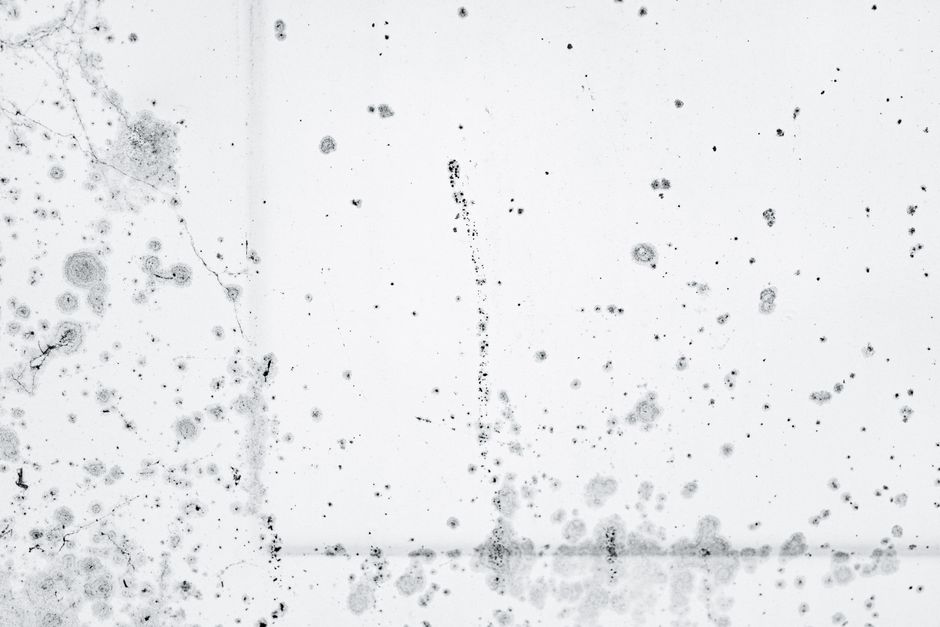
Black mold is a common name for Stachybotrys chartarum, a greenish-black fungus that grows indoors when moisture and organic material meet. It requires a food source like wood, drywall, or paper, a warm environment, and persistent dampness to thrive. Most often, black mold appears because of an untreated water problem such as a slow leak, flooding, or high humidity that never gets fixed.
What Conditions Allow Black Mold to Grow?
Mold needs three things to survive: moisture, food, and the right temperature. For black mold specifically, the material needs to stay wet for several days. A one-time spill that dries quickly rarely causes a problem. But a pipe leak inside a wall, a damp basement, or a roof leak that goes unnoticed creates the perfect environment.
Black mold prefers materials that contain cellulose. That includes drywall paper, wood studs, cardboard, ceiling tiles, and wallpaper. Carpet and upholstery can also support growth if they stay wet. The mold does not grow on glass, metal, or concrete directly, though it can appear on surfaces near those materials if dust and organic debris accumulate there.
Temperature matters less than moisture. Black mold can grow in a wide range of indoor temperatures, though it thrives in warm, humid conditions. That is why bathrooms, kitchens, and basements are common problem areas. Poor ventilation traps humidity and makes those spaces more vulnerable.
How Does Black Mold Spread Through a Home?
Mold spreads by releasing tiny spores into the air. These spores are invisible to the naked eye and can travel through air ducts, doorways, and gaps in walls. When spores land on a wet surface, they begin to grow. This is why a small leak in one room can lead to mold growth in another area if the humidity stays high.
Black mold also produces mycotoxins, which are chemical compounds that can be harmful to humans. The mold itself does not need to be touched to cause a reaction. Disturbing the mold — for example, by painting over it, scrubbing it, or demolition work — releases more spores and toxins into the air.
Air currents from heating and cooling systems can carry spores throughout the entire house. This means a mold problem in a basement can affect air quality on the second floor. Testing the air in one room alone may not reveal the full extent of the problem.
What Health Problems Are Linked to Black Mold?
Research consistently shows that mold exposure can trigger allergic reactions in sensitive people. Symptoms include sneezing, runny nose, red eyes, and skin rash. People with asthma may find their symptoms worsen. Some studies suggest that mold exposure in early childhood increases the risk of developing asthma, though the evidence is not definitive.
For most healthy adults, brief exposure to black mold causes no serious illness. The body’s immune system clears the spores effectively. However, people with weakened immune systems, chronic lung disease, or mold allergies are more vulnerable. Infants and elderly individuals also face higher risk.
The claim that black mold causes memory loss, fatigue, or “toxic mold syndrome” is not supported by strong clinical evidence. Some case reports describe these symptoms, but large controlled studies have not confirmed a direct link. If you experience persistent symptoms that improve when you leave the home, mold exposure may be a factor. But other causes should also be considered.




How Can You Identify Black Mold?
You cannot identify black mold by sight alone. Many mold species appear black or dark green. Stachybotrys chartarum has a distinct slimy texture when wet, but other molds look similar. A laboratory test is the only reliable way to confirm the species.
Visual inspection is still useful. Look for dark spots or patches on walls, ceilings, wood, or fabric. A musty odor often accompanies mold growth, even when the visible area is small. The smell comes from microbial volatile organic compounds, which are gases released by mold as it grows.
If you suspect mold but cannot see it, the problem may be hidden inside walls, under flooring, or in air ducts. Moisture meters can detect dampness behind surfaces. In some cases, professional inspection with specialized equipment is necessary to locate the source.
How Do You Remove Black Mold Safely?
The most important step is fixing the moisture problem. Mold will return if the water source remains. Repair leaks, improve drainage, and reduce indoor humidity. Without eliminating the moisture, any cleaning effort is temporary.
Small areas of mold — roughly less than 10 square feet — can often be cleaned by a homeowner. Use soap and water or a commercial mold cleaner. Wear gloves, goggles, and an N95 respirator mask to avoid inhaling spores. Never mix bleach with ammonia or other cleaners, as this creates toxic fumes.
Larger areas require professional remediation. The Environmental Protection Agency recommends professional help for mold covering more than 10 square feet, mold in heating and cooling systems, or mold that may have been contaminated by sewage. Professionals contain the area, remove affected materials, and clean the space with HEPA filtration equipment.
Bleach is not the best choice for porous materials like drywall or wood. The bleach does not penetrate deeply enough to kill the mold roots. Removing and replacing the affected material is often the only permanent solution for porous surfaces.
How Can You Prevent Black Mold From Returning?
Control humidity. Keep indoor humidity between 30 and 50 percent. Use dehumidifiers in damp basements and exhaust fans in bathrooms and kitchens. A hygrometer costs little and helps you monitor levels accurately.
Fix leaks immediately. A small drip may seem harmless, but it creates the sustained moisture mold needs. Check under sinks, around toilets, and near water heaters regularly. Inspect the roof after heavy storms.
Improve airflow. Furniture placed against exterior walls can trap moisture behind it. Leave space between furniture and walls, and open windows when weather permits. In closets and storage areas, avoid packing items too tightly.
Dry wet areas within 24 to 48 hours. This is the critical window for preventing mold growth. If carpet gets soaked, dry it thoroughly or replace it. Standing water from flooding should be removed as soon as it is safe to do so.
Does Testing for Black Mold Make Sense?
Testing for mold is not usually necessary for deciding whether to clean it. If you see mold, you have a mold problem, regardless of the species. The same removal process applies whether the mold is black, green, or white.
Testing can be useful in specific situations. For example, if you have health symptoms and want to document mold exposure for a medical or legal purpose. Or if you are buying a home and want to check for hidden problems. But routine testing before cleaning is not recommended by health agencies.
Air testing has limitations. A single sample represents only a moment in time. Spore levels vary with weather, ventilation, and daily activities. A negative air test does not guarantee the absence of mold, and a positive test does not tell you where the mold is located.
Frequently Asked Questions
Can black mold grow on concrete?
Black mold cannot grow directly on concrete because it lacks organic food. However, mold can grow on dust, dirt, or wood debris that accumulates on concrete surfaces.
How long does it take for black mold to grow?
Under the right conditions, mold can begin growing within 24 to 48 hours of moisture exposure. Visible colonies may appear within a few days to a couple of weeks.
Is black mold dangerous to breathe?
Breathing mold spores can cause allergic reactions and worsen asthma in sensitive individuals. Most healthy people do not experience serious illness from brief exposure.
Can you paint over black mold?
Painting over mold does not kill it and the mold will eventually show through. The mold must be removed and the moisture problem fixed before repainting.
