
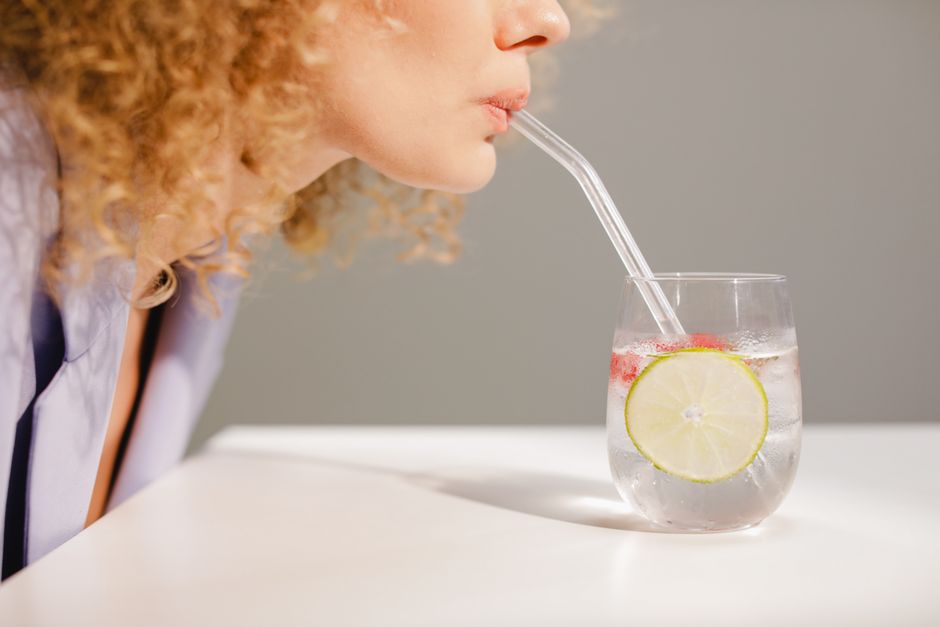
Fasting means different things to different people, but the question is always the same: what can you drink without breaking your fast? The short answer is water, plain tea, and black coffee. These contain no calories and do not trigger a significant insulin response. Other drinks like bone broth, apple cider vinegar, and diet soda sit in a gray area, and whether they “break” your fast depends entirely on your goal for fasting in the first place.
Does Drinking Water Break a Fast?
No. Water is the only drink that is universally accepted as safe during any type of fast. It contains zero calories, zero carbohydrates, and zero protein. It does not raise blood sugar or insulin levels.
Staying hydrated during a fast is actually critical. Many common fasting side effects like headaches, fatigue, and dizziness are often just mild dehydration. Plain water, sparkling water, and mineral water are all fine. If you are adding flavor drops, electrolyte powders, or lemon slices, you are no longer drinking plain water, and those additions may or may not break your fast depending on their ingredients.
Can You Drink Coffee and Tea While Fasting?
Yes, but only if you drink them black. Plain black coffee and plain tea contain virtually no calories. A standard cup of black coffee has about 2 calories and no digestible carbohydrates. Green tea, black tea, and herbal teas are similarly safe.
The problem comes from what you add. Sugar, honey, milk, cream, and flavored syrups all contain calories and carbohydrates that will break a fast. Even a splash of milk adds enough lactose to trigger a small insulin response. If your goal is strict fasting for metabolic benefits, drink coffee and tea completely plain. If you are fasting for weight loss and calorie restriction only, a small amount of milk may not matter, but it does technically break a fast.
What About Diet Soda and Zero-Calorie Drinks?
Diet sodas contain zero calories, but that does not mean they are neutral during a fast. The evidence on artificial sweeteners and fasting is mixed, and there is no strong consensus.
Some research suggests that artificial sweeteners like aspartame and sucralose may trigger an insulin response in some people, even without raising blood sugar. Other studies show no significant effect. The reality is that individual responses vary, and no large human trials have confirmed that diet soda is completely fasting-neutral.
If you are fasting for weight loss and you find that diet soda helps you stick to your fast, it may be a practical tool. If you are fasting for strict metabolic benefits like autophagy or insulin sensitivity, it is safer to avoid it. The honest position is that the evidence is limited, and the cautious choice is to stick with water, coffee, and tea.




Does Apple Cider Vinegar Break a Fast?
Apple cider vinegar contains about 3 calories per tablespoon and no measurable carbohydrates. In practical terms, a small amount diluted in water is unlikely to break a fast in the way that food would.
Some research suggests that acetic acid, the active compound in vinegar, may improve insulin sensitivity and blunt blood sugar spikes after meals. However, most of this research was done in people who were not fasting. No clinical guidelines currently recommend apple cider vinegar as part of a fasting protocol. If you use it, diluting it in water is essential, as undiluted vinegar can damage tooth enamel and irritate the esophagus.
Is Bone Broth Allowed During a Fast?
Bone broth is a common question because it feels like a liquid, but it is not fasting-neutral. A typical cup of bone broth contains around 40 to 50 calories and several grams of protein, depending on the brand and preparation.
Protein triggers an insulin response, and it also activates a cellular pathway called mTOR, which is the opposite of what many people are trying to achieve with fasting. If your goal is strict fasting for autophagy or cellular repair, bone broth breaks your fast. If your goal is simply calorie restriction or making it through a longer fast without feeling miserable, bone broth is a reasonable compromise. Some clinicians recommend it for people who struggle with extended fasts, but it is not a true fast.
Can You Drink Electrolyte Drinks While Fasting?
Electrolyte drinks are a gray area. Plain electrolyte powders that contain only sodium, potassium, and magnesium without sugar or artificial sweeteners are generally considered acceptable during a fast. These minerals do not contain calories and do not trigger an insulin response.
However, many commercial sports drinks and electrolyte beverages are loaded with sugar or artificial sweeteners. Gatorade and similar sports drinks absolutely break a fast. If you are doing a longer fast, especially one lasting more than 24 hours, maintaining electrolyte balance matters. Sodium and potassium are the most important ones. A pinch of salt in water or an unsweetened electrolyte powder can help prevent cramps and dizziness without breaking your fast.
What Drinks Break a Fast for Autophagy?
Autophagy is the cellular cleanup process that many people fast to trigger. The research on what exactly stops autophagy in humans is limited, but the general understanding is that any significant intake of calories, particularly protein and carbohydrates, will halt it.
Water, black coffee, and plain tea do not appear to interfere with autophagy. Bone broth, protein shakes, and any drink with more than a few calories likely will. The evidence on artificial sweeteners and autophagy is nonexistent, meaning no human studies have confirmed whether diet soda affects it. If autophagy is your primary goal, the safest approach is to consume nothing but water, black coffee, and plain tea.
How Strict Do You Need to Be?
Strictness depends on why you are fasting. This is the most important distinction to make.
If you are fasting for weight loss through calorie restriction, the rules are simple: stay under your calorie limit. A splash of milk in coffee or a cup of bone broth will not ruin your progress. If you are fasting for metabolic health, insulin sensitivity, or autophagy, the rules are stricter. Any caloric intake, even small amounts, can change the metabolic state you are trying to achieve.
There is also a practical reality that many fasting experts acknowledge: a fast that is 95 percent clean but sustainable is better than a 100 percent clean fast that you quit after two days. If a teaspoon of cream in your morning coffee is the difference between fasting until noon and eating a bagel at 9 a.m., the cream is the better choice.
What About Salt Water and Fasting?
Salt water is a legitimate tool during fasting. Sodium does not contain calories, and it does not break a fast. In fact, many people who fast for more than 24 hours add a pinch of salt to their water to prevent headaches, muscle cramps, and lightheadedness.
This is a well-established practice in the fasting community, and the physiology is straightforward. Fasting lowers insulin levels, which causes the kidneys to excrete more sodium. Replacing that sodium helps maintain blood pressure and fluid balance. A quarter teaspoon of salt in a glass of water is a common approach, but there is no official clinical guideline for exact dosing. If you have high blood pressure or kidney disease, talk to your doctor before adding salt to your fast.
Is Flavored Sparkling Water Safe During a Fast?
Flavored sparkling water is generally safe, but you need to check the label. Brands like LaCroix and Perrier use natural flavors that contain no calories and no sugar. These do not break a fast.
The caution is with sparkling waters that contain artificial sweeteners or small amounts of juice. Some products are sweetened with stevia or monk fruit, which are plant-based sweeteners with minimal caloric impact, but the evidence on their effect during fasting is limited. If the label says zero calories and the ingredients list no sugar or artificial sweeteners, it is safe. If you see sucralose, aspartame, or any form of juice, treat it like a diet soda.
Frequently Asked Questions
Can I drink lemon water while fasting?
A few slices of lemon in water contain about 1 to 2 calories and a negligible amount of carbohydrates. It will not break a fast in any meaningful way, but it is not technically a zero-calorie drink.
Does green tea break a fast?
No. Plain green tea contains no calories and does not raise blood sugar or insulin levels. It is completely safe during any type of fast.
Can I drink milk in my coffee while fasting?
Milk contains lactose, a sugar, and protein, both of which trigger an insulin response. A small splash will break a strict fast, though it may not affect weight loss fasting.
Does chewing gum break a fast?
Sugar-free gum contains artificial sweeteners and sometimes small amounts of sugar alcohols. The evidence is limited, but some research suggests sweet taste itself can trigger an insulin response in some people.
