

High blood pressure usually has no symptoms, which is why it is called the silent killer. The only reliable way to know if you have it is to have your blood pressure measured with a cuff. If your reading is consistently 130/80 mmHg or higher, you have high blood pressure and need to take action by talking to your doctor about lifestyle changes and possibly medication.
What Is High Blood Pressure Exactly?
Blood pressure is the force of blood pushing against the walls of your arteries. Every time your heart beats, it pumps blood into these vessels. The pressure goes up and down naturally throughout the day.
When that pressure stays high over time, it damages your arteries. The heart has to work harder. This increases your risk for heart attack, stroke, and kidney disease.
The American Heart Association defines normal blood pressure as below 120/80 mmHg. Elevated is 120-129 systolic with diastolic under 80. Stage 1 high blood pressure starts at 130/80. Stage 2 is 140/90 or higher.
The top number is systolic pressure, which measures pressure during a heartbeat. The bottom number is diastolic, which measures pressure between beats. Both matter, but systolic tends to get more attention as you age.
How To Know If You Have High Blood Pressure Without a Cuff
You cannot reliably tell if your blood pressure is high without a measurement. This is the truth that frustrates many people who want a shortcut.
Some people report headaches, nosebleeds, or shortness of breath. But research published in the Journal of the American Medical Association found that these symptoms only show up when blood pressure reaches dangerously high levels, like 180/120 or above.
That level is called a hypertensive crisis and requires emergency care. By that point, damage has already been happening for years.
There is no reliable physical sign or feeling that tells you your blood pressure is creeping up. You cannot trust how you feel. You have to trust the numbers.
How to Get an Accurate Blood Pressure Reading at Home
Home monitoring is one of the best tools you have. The CDC recommends it for anyone diagnosed with high blood pressure or at risk for it.
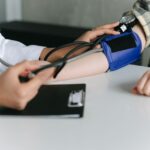
Use an automatic cuff that goes around your upper arm. Wrist and finger monitors are less accurate. Make sure the cuff fits properly — too small gives falsely high readings.
Sit quietly for five minutes before measuring. Do not talk. Keep your feet flat on the floor. Rest your arm on a table so the cuff is at heart level.
Take two readings one minute apart. Record both numbers. Do this at the same time each day, morning and evening.
Bring your log to your doctor. A single high reading at the office does not mean you have high blood pressure. White coat syndrome is real — some people get nervous at the doctor and their pressure spikes temporarily.



What Causes High Blood Pressure
For most adults, there is no single cause. It develops over years due to a mix of factors.
Age is a major one. Arteries naturally stiffen as you get older, which raises pressure. By age 60, about two-thirds of Americans have high blood pressure.
Diet plays a large role. Too much sodium is a proven contributor. The average American eats about 3,400 mg of sodium per day, while the American Heart Association recommends no more than 2,300 mg and ideally under 1,500 mg.
Other factors include being overweight, not getting enough physical activity, drinking too much alcohol, and smoking. Genetics also matter — if your parents had high blood pressure, your risk is higher.
Stress raises blood pressure temporarily. There is less evidence that chronic stress alone causes permanent high blood pressure, but it can contribute through unhealthy coping behaviors like poor diet and skipped exercise.
What the Research Says About Lowering Blood Pressure
The DASH diet is the most studied dietary approach for lowering blood pressure. DASH stands for Dietary Approaches to Stop Hypertension. Research published in the New England Journal of Medicine found that people who followed the DASH diet lowered their systolic pressure by 5 to 6 points on average.
The diet emphasizes fruits, vegetables, whole grains, and low-fat dairy. It limits red meat, sugar, and saturated fat. It is not about restriction — it is about shifting what you eat.
Reducing sodium amplifies the effect. A follow-up study called DASH-Sodium found that combining the diet with low sodium intake lowered systolic pressure by up to 11 points in people with high blood pressure.
Physical activity also has strong evidence behind it. The American College of Cardiology recommends at least 150 minutes of moderate exercise per week. That is 30 minutes, five days a week. Brisk walking counts.
Weight loss of even 5 to 10 pounds can lower blood pressure. Each kilogram of weight lost is associated with roughly a 1 mmHg drop in blood pressure, according to a meta-analysis in the journal Hypertension.
| Intervention | Typical Systolic Reduction | Timeframe |
|---|---|---|
| DASH diet | 5-6 mmHg | 2-4 weeks |
| Reducing sodium to 1,500 mg/day | 5-8 mmHg | 2-4 weeks |
| Weight loss of 10 lbs | 5-10 mmHg | 3-6 months |
| 150 min/week moderate exercise | 4-9 mmHg | 2-3 months |
| Limiting alcohol to 1 drink/day | 2-4 mmHg | 2-4 weeks |
Medication is often needed alongside lifestyle changes. Many people think medication means failure. It does not. High blood pressure is a chronic condition, like diabetes. Managing it with medication is standard care.
Common classes of blood pressure medications include ACE inhibitors, ARBs, calcium channel blockers, and diuretics. Each works differently. Your doctor will choose based on your age, race, and other health conditions.
What to Avoid When Managing Blood Pressure
Avoid relying on supplements that claim to lower blood pressure. The FDA does not regulate supplements the way it regulates medications. Many products make bold claims without solid evidence.
Some studies suggest garlic extract, hibiscus tea, and fish oil may have modest effects. But the evidence is not strong enough to recommend them as treatment. They should never replace prescribed medication.
Do not skip your medication because your numbers look good one day. That means the medication is working. Stopping it can cause your pressure to spike dangerously.
- Do not use decongestants containing pseudoephedrine without checking with your doctor — they can raise blood pressure
- Do not rely on a single reading from a pharmacy kiosk — those machines are often inaccurate
- Do not ignore your numbers because you feel fine — most damage happens without symptoms
Caffeine causes a temporary spike in blood pressure in people who do not consume it regularly. For regular drinkers, the effect is minimal. You do not need to quit coffee unless your doctor specifically advises it.
When to See a Doctor
You should have your blood pressure checked at least once every two years if your numbers have been normal. Once a year is better if you are over 40 or have risk factors.
If your home readings are consistently above 130/80, make an appointment. Do not wait for symptoms that may never come.
A single reading of 180/120 or higher is a medical emergency. Call 911. Do not wait to see if it goes down.
Your doctor will likely order blood tests and a urine test to check for kidney damage or other conditions that can cause or worsen high blood pressure. This is standard and nothing to worry about.
Common Misconceptions About High Blood Pressure
One common myth is that high blood pressure causes noticeable symptoms like flushing or sweating. It does not. Redness in the face is usually from temperature, emotion, or alcohol — not blood pressure.
Another myth is that if your pressure is normal at the doctor, you are fine. Home monitoring often catches high readings that office visits miss. Masked hypertension is the term for having normal readings at the clinic but high readings in daily life.
Some people believe that lowering sodium completely is necessary. It is not. The goal is moderation, not elimination. Most sodium in the American diet comes from processed foods, not the salt shaker.
There is also a belief that once you start blood pressure medication, you can never stop. This is not always true. Some people who make significant lifestyle changes can reduce or stop their medication under a doctor’s supervision. Never do this on your own.
Frequently Asked Questions
How can I check if I have high blood pressure at home?
Use an automatic upper arm cuff monitor. Sit quietly for five minutes before measuring and take two readings one minute apart.
What is a normal blood pressure reading?
Normal is below 120/80 mmHg. Anything at or above 130/80 is considered high blood pressure.
Can stress cause high blood pressure?
Stress causes temporary spikes but is not proven to cause permanent high blood pressure on its own.
How quickly can diet changes lower blood pressure?
The DASH diet combined with lower sodium can lower systolic pressure within two to four weeks.
