
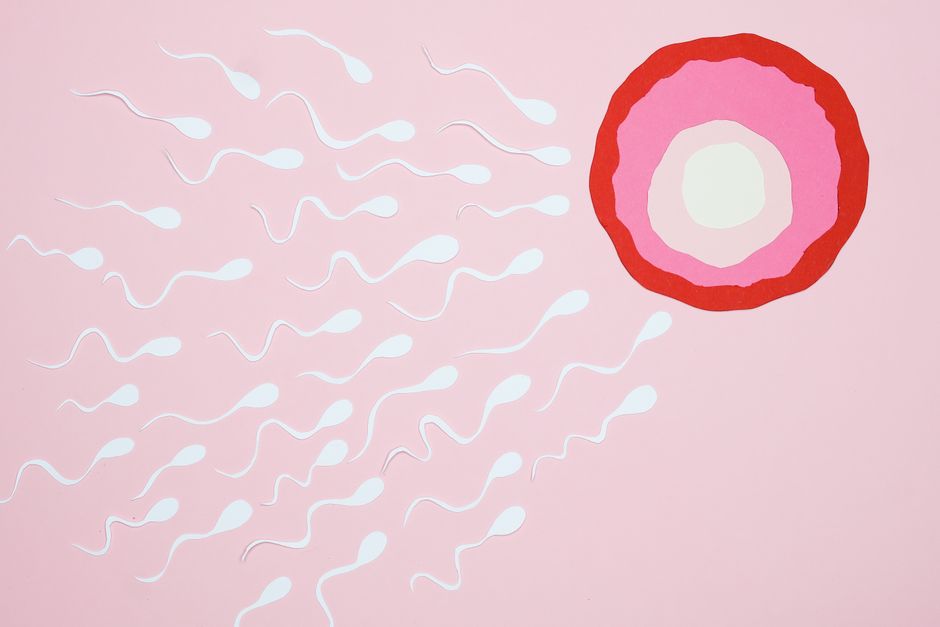
Ovulation happens when your ovary releases an egg. This is the time each month when pregnancy is possible. Your body gives clear signs that ovulation is near or happening. Tracking these signs helps you know your fertile window. The most reliable signs are changes in cervical mucus, a rise in basal body temperature, and physical sensations like cramping. You do not need expensive gadgets to track ovulation. Paying attention to your body’s daily changes is often enough.
What Is Cervical Mucus and How Does It Signal Ovulation?
Cervical mucus changes throughout your cycle because of hormones. Right after your period ends you may have dry days or sticky discharge. As estrogen rises before ovulation the mucus becomes creamy like lotion.
When ovulation is close the mucus turns clear slippery and stretchy like raw egg whites. This is called fertile quality mucus. It helps sperm swim to the egg. Research from the University of North Carolina found that women who track cervical mucus correctly identify their fertile window 93 percent of the time.
To check your mucus wipe with toilet paper before you pee or touch your vaginal opening with clean fingers. Stretch it between your thumb and finger. If it stretches an inch or more without breaking you are likely in your fertile window.
Some women do not produce much visible mucus. If that is you check the sensation at your vaginal opening. Fertile mucus feels wet and slippery. Dry or sticky means ovulation is not close yet.
How Does Basal Body Temperature Confirm Ovulation Happened?
Basal body temperature (BBT) is your temperature when you first wake up before any movement. You need a basal thermometer that reads to two decimal places. A regular fever thermometer will not work.
After ovulation your body releases progesterone. This hormone raises your temperature by about 0.5 to 1 degree Fahrenheit. The temperature stays higher until your next period starts. You cannot predict ovulation with BBT. It only confirms ovulation happened after the fact.
To track BBT take your temperature at the same time every morning before sitting up talking or drinking water. The Cleveland Clinic recommends doing this for at least three months to see your pattern. A sustained temperature shift for three days or more means ovulation likely occurred.
BBT tracking is not reliable if you have irregular sleep schedules or work night shifts. Alcohol illness and stress can also throw off readings. For these situations cervical mucus tracking is a better option.
How Do You Know When Youre Ovulating Signs To Track at Home?
Several physical signs happen around ovulation that you can notice at home without any equipment. Mittelschmerz is the German word for middle pain. Some women feel a sharp twinge or dull ache on one side of the lower belly near ovulation. This pain can last minutes to hours.
You may also notice breast tenderness or bloating. Estrogen peaks right before ovulation and can make your breasts feel full or sore. Some women report increased sex drive or sharper senses of smell and taste during their fertile window.
Another sign is a change in cervix position. During ovulation the cervix becomes higher softer and more open. You can check this yourself with clean fingers. It takes practice to notice the difference but some women find it useful.
Spotting or light pink discharge can happen right around ovulation. This is normal and happens when the follicle ruptures to release the egg. If spotting is heavy or lasts more than a day check with your doctor.





What Do Ovulation Predictor Kits Actually Tell You?
Ovulation predictor kits (OPKs) measure luteinizing hormone (LH) in your urine. LH surges about 24 to 36 hours before ovulation. The test line turns as dark or darker than the control line when the surge is happening.
Research published in the journal Human Reproduction found that OPKs detect the LH surge in 97 percent of cycles when used correctly. But a positive test does not guarantee ovulation will happen. Some women have an LH surge without releasing an egg. This is called luteinized unruptured follicle syndrome.
OPKs work best when you test once per day in the afternoon. LH surges often start in the morning but take a few hours to show up in urine. Do not use first morning urine for OPKs. It can miss the surge.
These kits are less reliable for women with polycystic ovary syndrome (PCOS). PCOS causes chronically high LH levels that can produce false positives. If you have irregular cycles or PCOS cervical mucus tracking is more accurate.
How Accurate Are Fertility Tracking Apps?
Fertility apps use algorithms to predict your fertile window based on cycle history. A 2018 study published in the Journal of the American Board of Family Medicine tested over 100 fertility apps. Only 20 percent predicted the fertile window within one day of the actual ovulation date.
Most apps assume you ovulate on day 14 of a 28-day cycle. But a study from the National Institutes of Health found that only 30 percent of women ovulate on day 14. Most women ovulate between day 11 and day 21. Some ovulate even earlier or later.
Apps become more accurate if you enter daily signs like cervical mucus and BBT. Calendar-only predictions are not reliable for timing pregnancy or avoiding pregnancy. The American College of Obstetricians and Gynecologists states that fertility awareness methods require daily tracking of at least two signs.
Do not rely on an app alone. Use it as a place to log your observations. The app cannot feel what your body is doing. Only you can notice the real-time changes.
| Method | What It Tells You | Best For |
|---|---|---|
| Cervical mucus | Fertile window is approaching or here | Women with any cycle length |
| Basal body temperature | Confirms ovulation already happened | Women with regular sleep schedules |
| Ovulation predictor kits | LH surge 24-36 hours before ovulation | Women with regular cycles |
| Fertility apps | Predicted fertile window based on data | Supplementing other tracking methods |
| Cervix position | Ovulation is near or happening | Women comfortable with self-check |
What Common Mistakes Do People Make When Tracking Ovulation?
The biggest mistake is starting to track too late in your cycle. If you have a 28-day cycle ovulation usually happens around day 14. But you should start tracking cervical mucus from day six or seven. Starting on day 10 can miss the beginning of your fertile window.
Another mistake is relying on only one sign. The most accurate method combines at least two signs. For example cervical mucus tells you ovulation is coming. BBT confirms it happened. Using both gives you a complete picture.
Some people test ovulation predictor kits at the wrong time of day. Testing with first morning urine often misses the LH surge. Testing in the afternoon between 2 PM and 5 PM gives the most accurate results. Also avoid drinking too much water two hours before testing. Diluted urine can give a false negative.
Stress and illness can delay ovulation by several days. If you feel sick your body may postpone ovulation until you recover. Do not assume your usual pattern holds during these times. Keep tracking daily until you see your temperature shift.
Many women stop tracking after a positive OPK or temperature shift. But tracking through your entire cycle helps you understand your luteal phase length. A luteal phase shorter than 10 days may need medical attention. The American Society for Reproductive Medicine recommends talking to your doctor if your luteal phase is consistently short.
How Do You Know When Youre Ovulating Signs To Track If You Have Irregular Cycles?
Irregular cycles make ovulation tracking harder but not impossible. If your cycles vary by more than seven days each month you need more consistent daily tracking. Cervical mucus becomes your most reliable sign because it changes regardless of cycle length.
Start tracking cervical mucus from the day your period ends. Check every time you use the bathroom. Write down whether you see nothing sticky creamy or egg white. The moment you see egg white mucus ovulation is likely within the next one to three days.
Basal body temperature is still useful but you may need to track for more months to see a pattern. Do not expect to see a temperature shift at the same day each cycle. Just watch for a sustained rise that lasts at least three days. That confirms ovulation happened whenever it decided to occur.
Women with PCOS may have multiple LH surges before actual ovulation. OPKs can show several positives in one cycle. In this case cervical mucus is more reliable than OPKs. If you get a positive OPK but no fertile mucus the LH surge may not lead to ovulation.
If you have gone more than 60 days without a period you are likely not ovulating at all. See a gynecologist for evaluation. The American College of Obstetricians and Gynecologists recommends evaluation for anyone with cycles longer than 35 days who is trying to conceive.
Frequently Asked Questions
Can you ovulate without feeling any signs?
Yes some women have no noticeable physical signs of ovulation. Cervical mucus and BBT tracking can still detect ovulation even if you feel nothing.
How many days after ovulation do you get your period?
Your period usually starts 12 to 16 days after ovulation. This time is called the luteal phase and stays consistent for each person.
Do ovulation predictor kits work for getting pregnant?
Yes they help time intercourse to your fertile window. Research shows they increase pregnancy rates when used alongside cervical mucus tracking.
What does ovulation pain feel like and when does it happen?
Ovulation pain feels like a sharp cramp or dull ache on one side of the lower belly. It usually happens right before or during egg release.
