
Protein needs are not one-size-fits-all, and for women, the answer depends on age, activity level, and life stage. The current Recommended Dietary Allowance (RDA) for adult women is 0.8 grams of protein per kilogram of body weight per day, which equals about 46 grams for a 130-pound woman. However, this number is the minimum required to prevent deficiency, not the optimal amount for muscle maintenance, recovery, or healthy aging, and many experts now suggest that most active women need considerably more.
What Is the Official Protein Recommendation for Women?
The RDA of 0.8 grams per kilogram of body weight was designed to meet the needs of nearly all healthy adults. For a 140-pound woman, that translates to roughly 51 grams daily. For a 170-pound woman, it is about 62 grams.
This standard was established to prevent muscle loss and maintain basic bodily functions. It is not a target for optimal health. Research consistently shows that higher intakes—often 1.2 to 2.0 grams per kilogram—are associated with better muscle retention, especially as women age.
Most women in the United States already meet the RDA through their normal diet. The bigger question is whether they are eating enough to support lean muscle mass, bone health, and recovery from exercise.
How Much Protein Should Women Eat Per Day Based on Activity Level
Activity level is the single biggest factor that changes protein needs. A sedentary woman needs less than an active one, and an athlete needs more than both.
- Sedentary women: The RDA of 0.8 g/kg applies here. This is sufficient for basic maintenance.
- Recreationally active women: Research suggests 1.2 to 1.6 g/kg supports recovery and muscle preservation. This equals 82 to 109 grams daily for a 150-pound woman.
- Athletes and women doing heavy strength training: Intakes of 1.6 to 2.0 g/kg are commonly recommended in sports nutrition guidelines. For a 150-pound woman, this is 109 to 136 grams per day.
These higher ranges do not cause harm in healthy women. The kidneys process extra protein without issue unless pre-existing kidney disease is present.
If you are unsure where you fall, the 1.2 to 1.6 g/kg range covers most women who walk regularly, do light strength work, or have physically active jobs.
How Protein Needs Change With Age and Life Stage
Women over 50 face a unique challenge. Age-related muscle loss, called sarcopenia, begins around age 30 and accelerates after menopause. Estrogen decline is linked to reduced muscle protein synthesis, meaning older women need more dietary protein to achieve the same muscle-building response.
Many gerontology researchers now suggest women over 50 aim for 1.0 to 1.2 g/kg at minimum, and up to 1.6 g/kg if they are active. A 150-pound woman over 50 would need 68 to 109 grams daily.
Pregnancy and breastfeeding also raise protein needs significantly. During pregnancy, the body requires additional protein for fetal growth, placental development, and increased maternal blood volume. Breastfeeding increases needs further because protein is secreted into breast milk.
Clinical guidance for pregnancy generally recommends 1.1 g/kg during the second half of pregnancy and about 1.3 g/kg while breastfeeding. Women should discuss specific targets with their obstetric provider because individual circumstances vary.



Why Women Often Do Not Get Enough Protein
Women consistently eat less protein than men, and not just because they weigh less. Portion sizes at meals tend to be smaller. Many popular diets marketed toward women emphasize vegetables, fruit, and carbohydrates while treating protein as an afterthought.
Breakfast is the most common gap. A typical breakfast of toast, fruit, or cereal provides 10 grams or less of protein. Spreading protein across three or four meals—rather than eating most of it at dinner—improves muscle protein synthesis throughout the day.
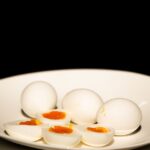
Research on muscle protein synthesis suggests the body responds best to 20 to 40 grams of protein per meal for most adults. This is roughly the amount in 3 to 6 ounces of cooked chicken, fish, or lean meat, or 3 to 4 eggs.
Women who eat primarily plant-based diets face an additional challenge. Plant proteins are often less digestible and have lower levels of one or more essential amino acids. Soy and quinoa are complete proteins, but beans, lentils, and grains are not. Combining different plant sources across the day solves this problem without requiring careful planning at every meal.
What Does 100 Grams of Protein Look Like in Real Food
Many women struggle to visualize their protein target. Here is what a day at roughly 100 to 110 grams looks like without protein powders or bars.
- Breakfast: 2 eggs (12 g) plus 1 cup of Greek yogurt (20 g) = 32 g
- Lunch: 4 ounces of chicken breast (35 g) with rice and vegetables = 35 g
- Snack: 1 ounce of cheese (7 g) with a handful of almonds (6 g) = 13 g
- Dinner: 4 ounces of salmon (23 g) with quinoa and roasted vegetables = 23 g
Total: about 103 grams. This pattern works for a 150-pound active woman without any supplements.
For women who prefer plant proteins, the same day might look different. One cup of cooked lentils provides 18 grams. A cup of firm tofu provides 20 grams. Edamame delivers 17 grams per cup. These foods also bring fiber and micronutrients that animal proteins do not offer.
Can Too Much Protein Be Harmful for Women
Healthy women tolerate high protein intakes well. The common fear that protein damages kidneys comes from studies of people with pre-existing kidney disease, not healthy adults.
Some research suggests very high protein intakes—above 2.5 g/kg—may increase calcium excretion in urine. However, long-term studies have not shown an increased risk of osteoporosis or kidney stones in healthy women eating high-protein diets. The evidence is mixed, and individual responses vary.
One legitimate concern is what high-protein diets displace. If protein crowds out fiber-rich carbohydrates and vegetables, digestive health can suffer. The best approach is to add protein to a balanced plate rather than replace other food groups.
Dehydration is another consideration. Protein metabolism produces nitrogen waste that requires water for excretion. Women eating high-protein diets should ensure adequate fluid intake.
Protein Timing and Distribution Through the Day
Total daily intake matters most, but distribution matters more than previously believed. Eating 60 grams at dinner and 10 grams at breakfast does not support muscle health as well as spreading intake evenly.
Muscle protein synthesis is stimulated by each meal containing enough leucine, an amino acid that triggers the building process. Most research places the leucine threshold at roughly 2.5 to 3 grams per meal, which is found in about 25 to 30 grams of high-quality protein.
The practical takeaway: aim for 25 to 40 grams of protein at each meal. This is not a strict rule, but it is a useful framework for women who know their daily target and want to structure meals around it.
Post-exercise protein is a special case. Consuming 20 to 40 grams within two hours after a workout enhances recovery and muscle adaptation. This window is real but wider than older advice suggested—the old “30-minute anabolic window” is overstated.
Signs You May Not Be Eating Enough Protein
Several physical signs can indicate inadequate protein intake, though none are exclusive to protein deficiency.
- Persistent fatigue, especially if you exercise regularly
- Hair thinning or brittle nails over several months
- Slow recovery from workouts or frequent injuries
- Feeling hungry soon after meals
- Loss of muscle mass despite stable weight
These symptoms can also stem from iron deficiency, thyroid problems, or poor sleep. If you notice them, review your protein intake first, then speak with a clinician if the problem persists.
Edema, or swelling in the feet and ankles, is a more serious sign of very low protein intake. This occurs because blood protein helps hold fluid in blood vessels. If you notice unexplained swelling, seek medical attention.
Practical Ways to Increase Protein Without Overthinking It
The simplest way to raise protein intake is to add a serving to every meal rather than redesigning your entire diet.
Add Greek yogurt or cottage cheese to breakfast. Add chicken, tuna, or beans to lunch salads. Keep hard-boiled eggs or edamame for snacks. Replace some rice with quinoa at dinner. These small changes add 20 to 40 grams without requiring elaborate meal prep.
Protein powders are convenient but not necessary. Whey and plant-based powders are safe for most women and provide 20 to 25 grams per scoop. If you use them, treat them as food, not medicine.
Collagen powder is a different case. It is an incomplete protein, meaning it does not contain all essential amino acids. It should not be counted toward your daily protein target as a primary source.
Frequently Asked Questions
How much protein does a woman need daily to lose weight?
Higher protein intakes of 1.6 to 2.0 grams per kilogram of body weight help preserve muscle during weight loss and increase fullness. For a 150-pound woman, that means roughly 109 to 136 grams daily.
Is 100 grams of protein enough for a woman?
For most active women weighing between 130 and 170 pounds, 100 grams daily falls within the recommended range. Sedentary women may need less, and very athletic women may need more.
Can women absorb more than 30 grams of protein at once?
Yes. The body absorbs and uses more than 30 grams per meal, though the extra may be used for energy rather than muscle building. Eating 40 to 50 grams at one meal is not wasteful for women with high daily needs.
Do women need more protein after menopause?
Yes, research indicates that postmenopausal women benefit from higher protein intakes of about 1.0 to 1.2 grams per kilogram to slow age-related muscle loss. Some experts recommend up to 1.6 g/kg for active older women.
