
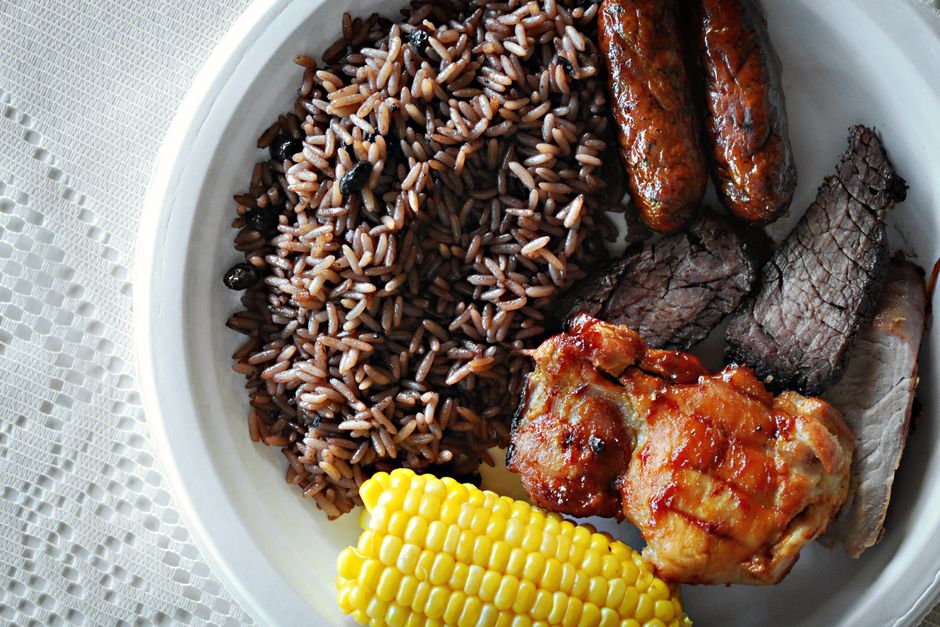
Red meat is a well-known source of high-quality protein. A standard 3-ounce serving of cooked beef, pork, or lamb typically delivers about 21 to 26 grams of protein. That portion is roughly the size of a deck of cards or the palm of your hand. This amount provides a substantial portion of the daily protein needs for most adults, which generally range from 46 to 56 grams depending on age, sex, and activity level.
How Much Protein Is In Red Meat Per Serving?
The exact protein content depends on the cut, the animal, and how it is cooked. Cooking removes water, which concentrates the protein. A raw 4-ounce steak loses moisture and shrinks during cooking, so the protein per gram of cooked meat is higher.
Here is the protein content for a cooked 3-ounce serving of common red meats. These figures represent cooked weight, not raw weight:
| Type of Red Meat | Protein (grams per 3 oz cooked) |
|---|---|
| Beef sirloin steak | 25-26 |
| Ground beef (85% lean) | 21-22 |
| Pork tenderloin | 22-23 |
| Pork chop | 23-24 |
| Lamb leg | 23-24 |
| Veal cutlet | 25-26 |
These numbers come from standard USDA nutrient databases. The range of 21 to 26 grams per serving is consistent across most cuts. Leaner cuts tend to have slightly more protein per gram because they contain less fat.
What Counts As Red Meat?
Red meat includes beef, pork, lamb, veal, and goat. The term refers to meat that is red when raw, which comes from higher levels of myoglobin, an oxygen-storing protein in muscle tissue. Pork is sometimes called “the other white meat,” but by nutritional standards, it is classified as red meat.
Processed red meat is a separate category. Bacon, sausage, hot dogs, salami, and deli ham are processed forms of red meat. These products are typically higher in sodium and preservatives. Their protein content varies widely because they contain fillers, water, and other ingredients. A standard serving of cooked bacon provides only about 6 grams of protein, while a beef hot dog offers roughly 5 to 7 grams.
Organ meats also fall under red meat. Beef liver provides about 23 grams of protein per 3-ounce serving. It is also exceptionally high in vitamin A, iron, and B vitamins, though it is not consumed as frequently as muscle meat in most American diets.
Why Red Meat Protein Quality Matters
Protein quality is about more than just grams. Red meat contains all nine essential amino acids that your body cannot make on its own. This makes it a complete protein source. Most plant proteins lack one or more essential amino acids, though a varied plant-based diet can still meet all protein needs.
The protein in red meat is also highly digestible. Your body absorbs and uses it efficiently. Studies consistently show that animal proteins like beef and pork have a higher digestibility score than most plant proteins. This matters for older adults and athletes who need to maximize muscle protein synthesis.
Red meat is also a primary dietary source of creatine and carnosine. These compounds are not essential nutrients, but they support muscle function and exercise performance. Vegetarians typically have lower muscle levels of both compounds. Whether that translates to meaningful performance differences is still debated, but the biochemistry is well understood.





Protein Needs And Serving Sizes
Most adults need 0.8 grams of protein per kilogram of body weight per day. For a 150-pound person, that is about 54 grams daily. A 3-ounce serving of red meat provides roughly half of that requirement in one meal.
Athletes and older adults may need more. Current sports nutrition guidance suggests 1.2 to 2.0 grams per kilogram of body weight for active individuals. Older adults are often advised to aim for the higher end of this range to combat age-related muscle loss, known as sarcopenia.
The USDA recommends limiting red meat consumption. The Dietary Guidelines for Americans suggest a weekly total of about 26 ounces of meat, poultry, and eggs combined, with an emphasis on lean cuts. This does not mean red meat is bad. It means variety matters. Poultry, fish, beans, lentils, and tofu all contribute to a balanced protein intake.
Red Meat And Health: What The Evidence Shows
Red meat has been studied extensively. The evidence links high consumption of processed red meat to increased risk of colorectal cancer. The World Health Organization classifies processed meat as a carcinogen and unprocessed red meat as probably carcinogenic. These classifications are based on epidemiological evidence, not proof that red meat directly causes cancer in every individual.
The cardiovascular picture is more nuanced. Lean red meat does not consistently raise LDL cholesterol the way saturated fat from other sources does. Some research suggests that unprocessed red meat has a neutral or even favorable effect on blood pressure compared to refined carbohydrates. The strongest and most consistent health risks come from processed meats, not from unprocessed cuts consumed in moderation.
Iron is another consideration. Red meat contains heme iron, which your body absorbs far more efficiently than the non-heme iron found in plants. This is beneficial for people at risk of iron deficiency, particularly women of reproductive age. For people with hereditary hemochromatosis, a condition of iron overload, red meat should be limited. This condition affects roughly 1 in 300 people of Northern European descent.
How To Measure A Serving Without A Scale
Most people do not weigh their food. A 3-ounce serving of cooked meat is about the size of a deck of cards. It is also roughly the size of the palm of your hand, not including your fingers, for a typical adult woman. A man’s palm may be larger, closer to 4 to 5 ounces.
Restaurant portions are frequently larger. A typical steakhouse filet mignon is 8 ounces. A standard restaurant pork chop can be 10 to 12 ounces. These portions deliver 50 to 80 grams of protein in a single meal. That is not inherently harmful, but it can push total daily protein well above needs if paired with other protein sources throughout the day.
If you track protein intake, weighing raw meat before cooking is more accurate. Raw meat loses roughly 25 percent of its weight during cooking. Four ounces of raw beef becomes about three ounces cooked. The protein stays the same, but the weight drops, which is why the protein density appears higher in cooked meat.
Comparing Red Meat To Other Protein Sources
Red meat is not the only high-protein food. Chicken breast provides about 26 grams per 3-ounce serving, slightly higher than most red meat cuts. Salmon offers about 22 grams and adds heart-healthy omega-3 fatty acids. Eggs provide 6 grams each, making them a convenient but less concentrated source.
Plant-based options vary widely. Lentils deliver 18 grams of protein per cooked cup, but that same cup also contains about 40 grams of carbohydrates. Tofu provides about 8 grams per 3-ounce serving. Seitan, made from wheat gluten, delivers 21 grams per 3-ounce serving, but it is not a complete protein on its own.
The practical takeaway is straightforward. Red meat is a concentrated, complete, highly digestible protein source. It is not nutritionally essential — you can meet all protein needs without it. But for people who enjoy it, a 3-ounce serving is a reliable way to get roughly 22 to 26 grams of high-quality protein.
Practical Tips For Including Red Meat In Your Diet
- Choose lean cuts like sirloin, tenderloin, and round cuts. These have less saturated fat and slightly more protein per gram.
- Trim visible fat before cooking to reduce total fat content.
- Pair red meat with vegetables and whole grains. The fiber helps balance the meal and supports digestive health.
- Limit processed red meat like bacon and sausage. The evidence for health risks is strongest for these products.
- If you eat red meat daily, keep portions moderate. A 3-ounce serving per meal is a reasonable target for most adults.
Red meat can fit into a balanced diet. The protein content is well documented, consistent across cuts, and highly usable by your body. The health concerns are real but primarily tied to processed varieties and excessive portion sizes. For most healthy adults, moderate consumption of lean red meat as part of a varied diet is consistent with current nutritional guidance.
Frequently Asked Questions
How much protein is in a typical steak?
A 3-ounce cooked steak provides about 25 grams of protein. An 8-ounce restaurant steak delivers roughly 65 grams.
Is red meat protein better than chicken protein?
Both are complete proteins with similar digestibility. Chicken breast has slightly more protein per serving and less saturated fat than most red meat cuts.
How many grams of protein are in 100 grams of raw beef?
Raw beef contains about 20 grams of protein per 100 grams. After cooking, the same meat weighs less but the protein content stays the same.
Can you get enough protein from red meat alone?
Yes, nutritionally speaking, but it is not recommended. A diet of only red meat would exceed current guidance for saturated fat and lacks fiber and other nutrients found in plant foods.
