
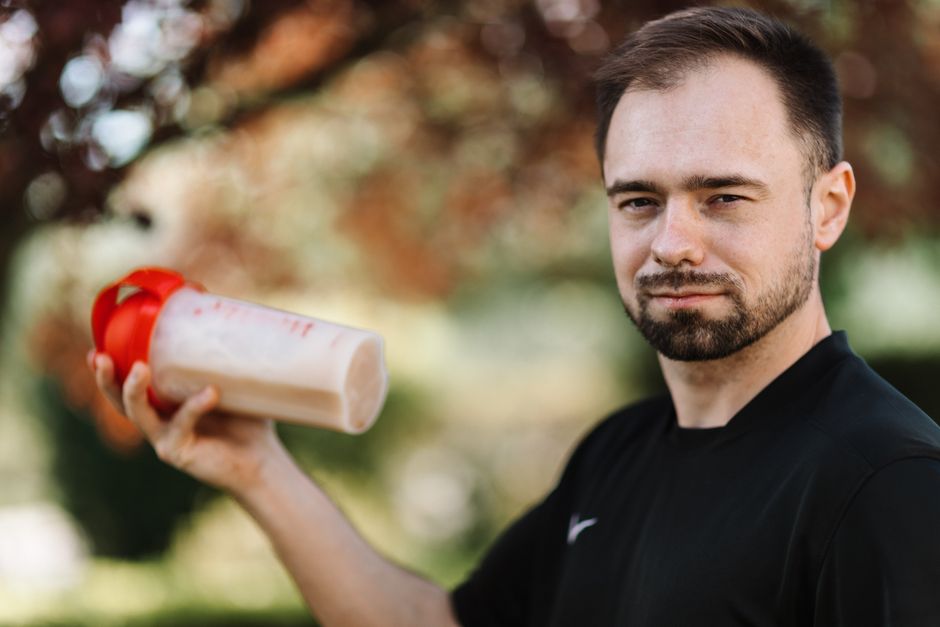
Protein shakes are a convenient way to add more protein to your day, but the right amount depends on your body weight, your goals, and what you ate that day. A standard scoop of most protein powders contains about 20 to 25 grams of protein, and for most healthy adults, a single scoop mixed with water or milk is a reasonable serving. The real question is not just how much is in the shaker, but how much total protein you need in a day and how your body uses what you drink.
How Much Protein Do You Actually Need Per Day?
Your daily protein target is the foundation for deciding how much should come from a shake. The Recommended Dietary Allowance (RDA) for protein is 0.8 grams per kilogram of body weight per day. For a 150-pound person, that works out to about 54 grams of total protein daily. This amount prevents deficiency, but it is not an optimal target for everyone.
If you are active, trying to build muscle, or losing weight, your needs are higher. Research consistently shows that people who exercise regularly benefit from 1.2 to 2.0 grams of protein per kilogram of body weight per day. For that same 150-pound person, that means roughly 82 to 136 grams of protein spread across the day. Your shake should fill the gap between what you eat from food and what your body needs, not replace whole meals entirely.
How Much Of A Protein Shake Should You Drink Per Serving?
For most people, one scoop of protein powder is the right serving size. A typical scoop provides 20 to 25 grams of protein, which is a solid amount for a snack or post-workout recovery. Some powders have larger scoops that deliver 30 to 40 grams per serving. Check the label on your specific product because scoop sizes vary widely between brands.
Your body can absorb and use more protein than once believed. Older research suggested the body could only handle 20 to 30 grams at a time, but newer studies indicate that larger doses are still used for muscle building, just less efficiently. Spreading your protein across three to five meals and snacks is generally more effective for muscle growth than drinking one massive shake with 80 grams at once.
If you are using a shake as a meal replacement, a larger serving may make sense. Combining a scoop of powder with milk, fruit, and nut butter can create a balanced shake with 30 to 40 grams of protein and enough calories to keep you full for several hours. This is a different situation from simply adding a scoop of powder to water for a quick protein hit.
What Happens If You Drink Too Much Protein?
Drinking more protein than your body needs does not automatically harm you, but it can create problems. Extra protein is either used for energy or converted to fat for storage. If you are consistently drinking large shakes on top of a diet that already meets your protein needs, the surplus calories can lead to weight gain over time.
For healthy people with normal kidney function, high protein intake does not damage the kidneys. That said, if you have chronic kidney disease, you should not increase protein intake without talking to your doctor. People with kidney conditions often need to limit protein, and a shake can easily push you past a safe threshold without you realizing it.
Digestive discomfort is the most common side effect of too much protein powder. Bloating, gas, and changes in bowel habits can occur, especially if you are sensitive to dairy and using a whey-based powder. These symptoms usually resolve when you reduce your serving size or switch to a different protein source.




Does Timing Matter For Protein Shakes?
The idea of a narrow “anabolic window” after exercise is not as strict as once believed. You do not need to chug a shake within 30 minutes of finishing a workout to get results. What matters more is that you consume adequate protein throughout the day, with research suggesting that regular protein intake every three to four hours supports muscle maintenance and growth best.
Having a shake after a workout is still a practical choice. It is convenient, easy to digest, and helps you hit your daily target. Some evidence suggests that consuming protein shortly after resistance training is slightly better than waiting several hours, but the overall difference is small compared with the importance of your total daily intake.
A shake before bed is another option that some people use. Casein protein digests slowly and may provide a steady supply of amino acids overnight. Whey protein is faster-digesting and better suited for after exercise or between meals. Both are effective, and your choice should depend on convenience and personal tolerance rather than a belief that one is vastly superior.
How To Calculate Your Personal Shake Serving
Start with your daily protein target based on your weight and activity level. If you weigh 180 pounds and exercise regularly, your target might be around 120 grams per day. Track what you eat from whole foods for a few days using a food app or by reading nutrition labels. Subtract your typical food intake from your target, and the difference is what a shake should provide.
Most people find they need only one shake per day to close this gap. A single 20 to 25 gram scoop after a workout or as an afternoon snack is enough for the average active person. Athletes with very high protein needs or people trying to gain weight may use two shakes daily, but this is not necessary for most readers.
If you are eating a protein-rich diet with eggs at breakfast, chicken at lunch, and fish at dinner, you may not need a shake at all. Protein powder is a supplement, not a requirement. It exists to fill gaps, not to replace food, and whole food sources provide additional nutrients that powder does not.
Do You Need More Protein If You Are Over 50?
Protein needs tend to increase with age. Older adults often experience a natural decline in muscle mass called sarcopenia, and higher protein intake can help slow this process. Some research suggests that adults over 50 may benefit from 1.2 to 1.5 grams of protein per kilogram of body weight per day, which is higher than the standard RDA.
This means an older adult weighing 160 pounds might need 87 to 109 grams of protein daily. A protein shake can be a helpful tool here, especially if appetite is low or chewing meat becomes difficult. Drinking a shake with 25 grams of protein between meals is an easy way to boost intake without preparing a full meal.
What Type Of Protein Powder Should You Choose?
Whey protein is the most studied and widely used type. It is a complete protein, meaning it contains all nine essential amino acids your body cannot make on its own. Whey digests quickly and is particularly effective after exercise. If you tolerate dairy well, whey is a solid choice.
Plant-based powders made from pea, soy, or rice protein are good alternatives. Pea protein is also a complete protein and performs comparably to whey in most studies. Soy protein is complete as well but is not the right choice for everyone due to allergies or personal preference. Rice protein is incomplete on its own but is often blended with other plant proteins to create a complete amino acid profile.
Collagen protein is popular but different. Collagen is not a complete protein, and it should not be your only protein source. Use it if you want it for skin or joint reasons, but do not count on it as your primary muscle-building shake.
Can Protein Shakes Help With Weight Loss?
Protein shakes can support weight loss, but they are not magic. Protein is the most filling macronutrient, meaning it helps you feel full longer than carbohydrates or fat. Replacing a high-calorie meal with a lower-calorie protein shake can create the calorie deficit needed for weight loss.
The evidence is mixed on whether meal replacement shakes produce lasting weight loss. Some studies show they help in the short term, but long-term success depends on whether you maintain healthier eating habits after stopping the shakes. Using a shake as a snack to prevent overeating at your next meal is a more sustainable approach than replacing multiple meals per day with liquid calories.
Be careful with weight-loss shakes that contain added ingredients. Some commercial shakes marketed for weight loss contain added sugars, fillers, or proprietary blends that add calories without adding nutritional value. A plain protein powder with minimal ingredients is generally the better option if weight loss is your goal.
Are There Any Risks With Protein Shakes?
Protein powder is generally safe for healthy adults when used as directed. The main risks come from excessive intake, which can cause digestive upset, or from choosing products with questionable ingredients. Third-party testing organizations like NSF International or Informed Sport verify that some products contain what their labels claim and do not have harmful contaminants.
Pregnant and breastfeeding women should be cautious about protein supplements. No clinical guidelines currently exist for protein powder use during pregnancy, and getting protein from whole foods is the safer, better-studied approach. If you are pregnant and considering protein shakes, talk to your obstetrician first.
People with kidney disease, liver disease, or metabolic disorders should not add protein supplements without medical supervision. The same applies to anyone taking medications that affect protein metabolism. When in doubt, ask your healthcare provider before starting any supplement, including protein powder.
Frequently Asked Questions
Is one scoop of protein powder enough per day?
For most active adults, one scoop providing 20 to 25 grams of protein is enough to meet daily needs when combined with a balanced diet. Only athletes or people with very high protein targets typically need two scoops or multiple shakes daily.
Can I drink a protein shake every day?
Yes, drinking a protein shake daily is safe for healthy adults when it fits within your total daily protein and calorie needs. It is best used to fill gaps in your diet rather than replace whole food meals.
What happens if I drink two protein shakes a day?
Two shakes add roughly 40 to 50 grams of protein, which is fine if your daily target is high from intense training or muscle-building goals. If you are inactive or already eat enough protein, two shakes may contribute excess calories that lead to weight gain.
Should I drink a protein shake before or after a workout?
After a workout is a common and practical choice, but total daily protein intake matters more than exact timing. Drinking a shake within a few hours of training supports recovery effectively.
