
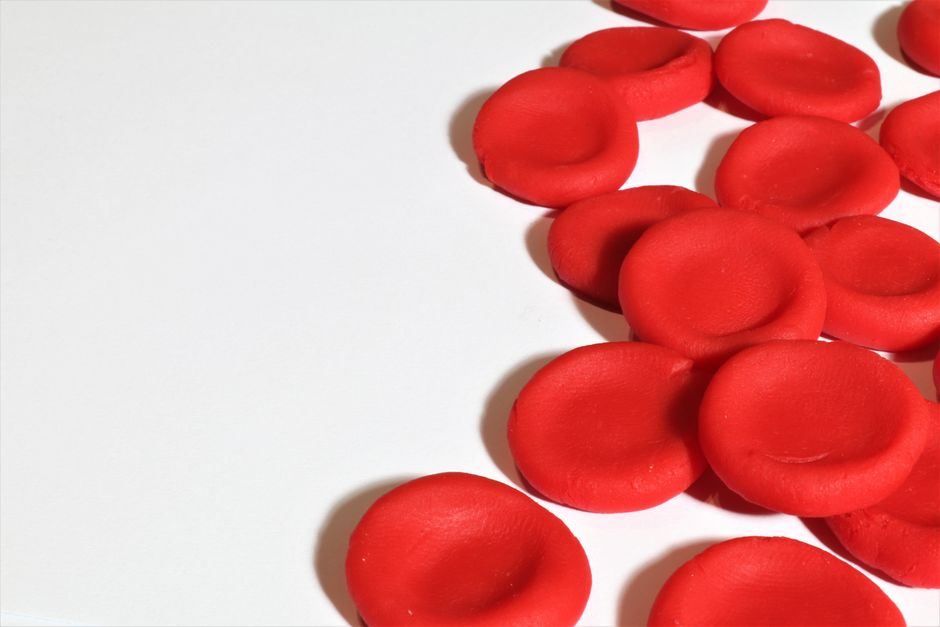
Blood health is about more than just the red stuff you see in a scrape. It is the delivery system for every organ in your body, carrying oxygen, nutrients, hormones, and immune cells where they need to go. Keeping your blood healthy comes down to a consistent pattern of eating whole foods, staying hydrated, moving your body, and avoiding habits that damage blood vessels. The good news is that most of the factors within your control — like what you eat and how you live — have a direct and measurable effect on your blood.
What Does “Healthy Blood” Actually Mean?
Healthy blood is not a single thing. It is a combination of several measurable factors that all need to stay in balance. The main components are red blood cells, white blood cells, platelets, and plasma — the liquid that carries everything.
Red blood cells carry oxygen using hemoglobin, an iron-rich protein. If you do not have enough healthy red blood cells, you have anemia. White blood cells fight infection. Platelets help your blood clot when you get a cut. Plasma carries nutrients, hormones, and waste products to and from your organs.
On top of that, your blood needs to flow freely. That means your blood vessels — arteries and veins — need to stay flexible and clear. High blood pressure, high cholesterol, and high blood sugar all damage blood vessels over time. So when we talk about keeping blood healthy, we are really talking about three things: making enough healthy blood cells, keeping the chemical balance right, and protecting the blood vessels themselves.
How To Keep Your Blood Healthy Nutrition And Habits
Nutrition and habits work together. You cannot out-eat a sedentary lifestyle, and you cannot out-exercise a poor diet. The most effective approach combines both.
For nutrition, focus on foods that support red blood cell production, protect blood vessels, and keep blood sugar and cholesterol in healthy ranges. Iron, vitamin B12, and folate are the building blocks of red blood cells. Iron-rich foods include lean red meat, poultry, fish, lentils, beans, and fortified cereals. Vitamin B12 comes almost exclusively from animal products — meat, fish, eggs, and dairy. Folate is found in leafy green vegetables, beans, and citrus fruits.
For habits, the biggest wins come from regular physical activity, adequate sleep, stress management, and avoiding smoking. Exercise strengthens the heart, which means it pumps blood more efficiently. It also helps maintain healthy blood pressure and blood sugar levels. Smoking damages blood vessel walls and makes blood more likely to clot. Quitting smoking is one of the single most effective things you can do for your blood and cardiovascular system.
What Nutrients Keep Blood Healthy?
Your body needs a steady supply of specific nutrients to produce and maintain healthy blood. These are not exotic supplements. They are everyday nutrients found in ordinary food.
Iron is the core of hemoglobin. Without enough iron, your body cannot make enough functional red blood cells. The recommended daily allowance for iron is 8 mg for adult men and 18 mg for premenopausal women. After menopause, women’s needs drop to 8 mg. Good sources include red meat, poultry, fish, beans, lentils, tofu, and spinach. Vitamin C helps your body absorb iron from plant sources, so pairing beans with bell peppers or tomatoes improves absorption.
Vitamin B12 is needed to make red blood cells and keep nerves healthy. It is found naturally only in animal products. People who follow a vegan or strict vegetarian diet need to be deliberate about getting B12 from fortified foods or a supplement. Deficiency can cause a specific type of anemia called pernicious anemia.
Folate (vitamin B9) works alongside B12. It is especially important for women who may become pregnant, because folate deficiency in early pregnancy increases the risk of neural tube defects. Leafy greens, asparagus, Brussels sprouts, and beans are excellent sources.
Vitamin K is essential for blood clotting. Without it, your blood cannot clot properly. Your body makes some vitamin K in the gut, but you also need dietary sources like leafy greens, broccoli, and fermented foods.
Omega-3 fatty acids from fatty fish like salmon, sardines, and mackerel help reduce inflammation and keep blood vessels flexible. Some research suggests they also help lower triglycerides, a type of fat in the blood.


Why Hydration Matters for Blood
Blood is about 50 percent plasma, and plasma is mostly water. When you are dehydrated, your blood volume drops. That means your heart has to work harder to pump the same amount of oxygen and nutrients to your tissues. Your blood also becomes thicker, which increases the risk of clotting.
Mild dehydration can make you feel tired, dizzy, and mentally foggy. Severe dehydration is a medical emergency. The general guidance is to drink when you are thirsty and to drink more in hot weather or when you are physically active. Urine color is a practical indicator — pale yellow usually means adequate hydration, while dark yellow suggests you need more fluids.
Water is the best choice. Sugary drinks like soda and fruit juice spike blood sugar and provide empty calories. Coffee and tea count toward fluid intake, but caffeine can have a mild diuretic effect, so they should not be your only source of fluids.
Blood Pressure, Cholesterol, and Blood Sugar
Three numbers matter more than almost anything else for blood health: blood pressure, cholesterol, and blood sugar.
Blood pressure is the force of blood against your artery walls. Normal blood pressure is below 120/80 mmHg. High blood pressure, or hypertension, is 130/80 mmHg or higher. Over time, high blood pressure damages the inner lining of arteries, making them stiff and narrow. This increases the risk of heart attack, stroke, and kidney damage. Most people with high blood pressure have no symptoms, which is why it is called the “silent killer.”
Cholesterol is a waxy substance your body needs to build cells. The problem is not cholesterol itself — it is too much LDL cholesterol, the “bad” kind, circulating in your blood. LDL cholesterol can build up on artery walls, forming plaque that narrows the arteries. HDL cholesterol, the “good” kind, helps remove LDL from the bloodstream. A healthy total cholesterol level is below 200 mg/dL, with LDL below 100 mg/dL and HDL above 40 mg/dL for men and 50 mg/dL for women.
Blood sugar is the amount of glucose in your blood. Fasting blood sugar should be between 70 and 99 mg/dL. A fasting level of 100 to 125 mg/dL indicates prediabetes, and 126 mg/dL or higher indicates diabetes. Chronically high blood sugar damages blood vessels throughout the body, increasing the risk of heart disease, stroke, kidney disease, and nerve damage.
Diet directly affects all three. A diet high in processed foods, refined carbohydrates, and unhealthy fats tends to raise blood pressure, LDL cholesterol, and blood sugar. A diet rich in vegetables, fruits, whole grains, lean protein, and healthy fats does the opposite.
Habits That Protect Blood Vessels
Your blood vessels are living tissue. They respond to what you do every day. Some habits protect them. Others damage them.
Regular exercise is one of the most powerful habits for blood health. Aerobic exercise — walking, swimming, cycling, jogging — strengthens the heart and improves circulation. It also helps lower blood pressure, improve cholesterol levels, and regulate blood sugar. The general recommendation is at least 150 minutes of moderate-intensity aerobic activity per week, plus muscle-strengthening activities on two or more days per week.
Sleep matters more than most people realize. During deep sleep, your blood pressure drops and your heart rate slows. This gives your cardiovascular system a chance to recover. Chronic sleep deprivation is linked to higher blood pressure, increased inflammation, and higher risk of heart disease. Most adults need seven to nine hours of quality sleep per night.
Stress management is not optional. Chronic stress keeps cortisol and adrenaline elevated, which raises blood pressure and heart rate. Over time, this damages blood vessels. Effective stress management looks different for everyone — exercise, meditation, deep breathing, time in nature, or talking with a therapist. What matters is that you have a strategy that works for you.
Avoiding tobacco is non-negotiable. Smoking damages the lining of arteries, causes them to narrow, and makes blood more likely to clot. It also reduces the amount of oxygen your blood can carry. Even secondhand smoke is harmful.
Signs Your Blood Health Needs Attention
Many blood problems develop silently. You can have high blood pressure, high cholesterol, or early diabetes and feel perfectly fine. That is why routine blood tests and blood pressure checks matter.
That said, some symptoms can point to blood health problems. Persistent fatigue, shortness of breath, and pale skin can indicate anemia. Easy bruising or prolonged bleeding after a cut can indicate a platelet or clotting problem. Frequent infections can indicate a white blood cell issue. Chest pain, leg pain when walking, and unexplained shortness of breath can indicate blood vessel problems.
These symptoms are not a diagnosis. Many conditions can cause them. But if you notice any of them, especially if they are new or worsening, it is worth discussing with a healthcare provider.
Routine Blood Tests You Should Know About
You cannot manage what you do not measure. Routine blood tests are the best way to know where you stand.
A complete blood count (CBC) measures red blood cells, white blood cells, and platelets. It can detect anemia, infection, and some blood disorders. A lipid panel measures total cholesterol, LDL, HDL, and triglycerides. A fasting blood glucose test measures your blood sugar after not eating for at least eight hours. A hemoglobin A1c test gives a three-month average of your blood sugar levels.
How often you need these tests depends on your age, risk factors, and medical history. Many adults benefit from a lipid panel and blood glucose check every few years starting in their 20s or 30s. People with risk factors — obesity, family history of heart disease, diabetes, or high blood pressure — may need testing more often.
Frequently Asked Questions
What foods should I eat to keep my blood healthy?
Eat a diet rich in iron, vitamin B12, folate, and omega-3 fatty acids from sources like lean meat, fish, leafy greens, beans, and whole grains. Pair plant-based iron sources with vitamin C to improve absorption.
Can drinking more water really improve my blood health?
Yes. Water makes up most of your blood plasma, and dehydration reduces blood volume and makes blood thicker. Staying adequately hydrated helps your heart pump more efficiently and reduces clotting risk.
How often should I get my blood tested?
Many adults should have a lipid panel and blood sugar check every few years starting in their 20s or 30s. Your doctor may recommend more frequent testing if you have risk factors like obesity, diabetes, high blood pressure, or a family history of heart disease.
Does exercise actually change your blood?
Yes. Regular aerobic exercise strengthens the heart, lowers blood pressure, improves cholesterol levels, and helps regulate blood sugar. Aim for at least 150 minutes of moderate-intensity exercise per week.
