
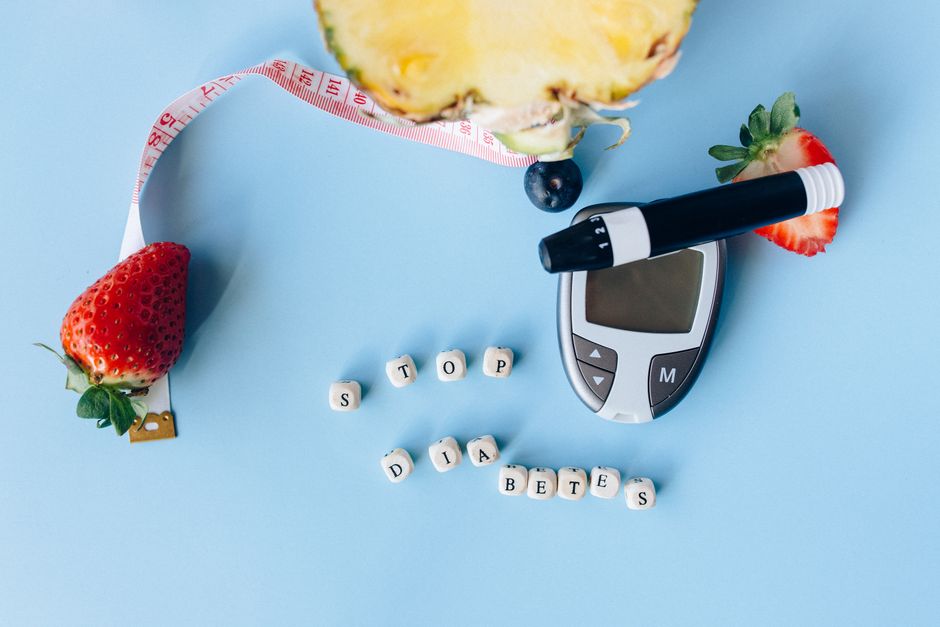
If your blood sugar runs high, the most effective things you can do at home are the unglamorous ones: change what and how you eat, move your body daily, get enough sleep, manage stress, and lose excess weight if you carry it. These steps can meaningfully lower blood sugar for many people with prediabetes or type 2 diabetes. They are not a replacement for medical care, and they cannot “cure” diabetes. But they are the foundation that medication is built on top of.
What you cannot do at home is diagnose yourself or safely ignore rising numbers. A single high reading does not mean much on its own. A pattern does. And some blood sugar problems, especially type 1 diabetes and diabetic ketoacidosis, are medical emergencies that no lifestyle change can fix.
What Actually Counts as High Blood Sugar?
Blood sugar is measured in milligrams per deciliter (mg/dL) in the United States. The numbers that define normal, prediabetes, and diabetes come from established diagnostic criteria, not opinion.
For a fasting blood glucose test — taken after at least 8 hours without eating — a result of 70 to 99 mg/dL is considered normal. A result of 100 to 125 mg/dL falls in the prediabetes range. A result of 126 mg/dL or higher on two separate tests points to diabetes.
An A1C test tells a different story. It reflects average blood sugar over roughly the past two to three months. An A1C below 5.7 percent is normal. Between 5.7 and 6.4 percent is prediabetes. At 6.5 percent or higher, diabetes is the likely diagnosis.
One number in isolation is not a diagnosis. Illness, stress, poor sleep, and certain medications can all push a reading up temporarily. That is why clinicians repeat tests and look at patterns rather than single results.
How Does Food Affect Blood Sugar?
Carbohydrates are the nutrient that raises blood sugar the most, because the body breaks them down into glucose. This is basic physiology, not a diet trend. Protein and fat have far less direct effect on blood glucose, though they still matter for overall health and for how quickly a meal is digested.
Not all carbohydrates behave the same way. The speed at which a food raises blood sugar depends on the type of carb, how much fiber it contains, what else is eaten with it, and how the food is prepared. This is where practical choices make a real difference.
Fiber is one of the more useful levers. It slows digestion and blunts the rise in blood sugar after a meal. Foods high in fiber include beans, lentils, whole grains, vegetables, and fruit with the skin on. Some research suggests higher fiber intake is linked to better blood sugar control, though the effect size varies between people.
Eating protein and fat alongside carbohydrates also slows the release of glucose into the bloodstream. A meal of white rice alone hits differently than the same rice with chicken and vegetables.
Which Foods Help Lower Blood Sugar?
No single food lowers blood sugar the way a medication does. The goal is a pattern of eating that keeps glucose steadier across the day. Several food groups support that pattern.
- Non-starchy vegetables — leafy greens, broccoli, peppers, and similar options are low in carbohydrate and high in fiber.
- Beans and lentils — these combine fiber with protein and digest slowly.
- Whole grains — oats, barley, and quinoa raise blood sugar more slowly than refined grains.
- Nuts and seeds — fat, protein, and fiber in a small package.
- Fatty fish — salmon, sardines, and similar fish are studied for their role in heart health, which matters because diabetes raises cardiovascular risk.
What tends to raise blood sugar quickly: sugary drinks, white bread, white rice, most breakfast cereals, candy, and refined snack foods. Liquid sugar is especially fast because it needs almost no digestion.
Sugar-sweetened beverages deserve a specific mention. They deliver a large glucose load in a short time with little to slow it down. Cutting them is one of the highest-yield changes a person can make.




How To Stop High Blood Sugar Naturally At Home
The core habits below are the ones with the most consistent support in the research. None of them work overnight. Most people see meaningful change over weeks to months, not days.
Move your body every day
Muscle uses glucose for fuel, and exercise makes muscle more sensitive to insulin. That effect can last beyond the workout itself. You do not need intense training. A brisk walk after meals is one of the simplest tools available, and some studies suggest walking after eating blunts the post-meal glucose spike.
Aim for regular activity across the week rather than one big session. Consistency matters more than intensity for blood sugar control.
Lose excess weight if you carry it
For people with excess body weight, losing some of it improves blood sugar. This is one of the best-supported findings in the field. The amount needed varies by person, and even modest loss can help. Research on intensive lifestyle programs has shown that weight loss combined with diet and activity changes can reduce the risk of progressing from prediabetes to type 2 diabetes.
The word “modest” matters here. You do not need to reach an ideal weight for blood sugar to improve.
Sleep and stress are not optional
Short sleep and chronic stress both raise stress hormones, and those hormones push blood sugar up. This is well established. Poor sleep also tends to increase appetite and cravings for high-carb foods, which compounds the problem.
Getting consistent sleep and finding real ways to manage stress are not soft advice. They are part of blood sugar control.
Watch the timing and size of meals
Large meals raise blood sugar more than smaller ones. Eating carbohydrates later in the day, when insulin sensitivity tends to be lower, can also push readings up. Some people find that front-loading calories earlier in the day helps, though individual responses vary.
Can Natural Approaches Replace Medication?
For some people with prediabetes or mild type 2 diabetes, lifestyle changes alone can bring blood sugar into a healthier range. For others, they cannot. This depends on how much insulin the body still makes, how well it responds to insulin, how long the condition has been present, and genetics.
Stopping prescribed medication without medical guidance can be dangerous. Some diabetes medications, particularly insulin and certain others, can cause dangerously low blood sugar if stopped abruptly or mismanaged. Any change to medication should go through a clinician.
Lifestyle changes and medication are not opposites. They work together. In many cases, better habits allow a clinician to reduce medication over time — but that decision belongs to the clinician, not the patient acting alone.
What Are the Warning Signs You Should Not Ignore?
High blood sugar can be silent for a long time. When symptoms do appear, they often include increased thirst, frequent urination, blurred vision, fatigue, and slow-healing wounds. These are signs to get evaluated, not to manage at home indefinitely.
Some situations are emergencies. Very high blood sugar combined with nausea, vomiting, deep rapid breathing, confusion, or a fruity smell on the breath can indicate diabetic ketoacidosis, which is life-threatening and requires immediate emergency care. This is more common in type 1 diabetes but can occur in type 2 as well.
Severe hypoglycemia — dangerously low blood sugar — is also an emergency. Symptoms include shakiness, sweating, confusion, and loss of consciousness. This is a medical crisis, not something to treat with diet changes.
How Long Before Lifestyle Changes Show Results?
Blood sugar responds to food within hours. A single meal change shows up in a single reading. But meaningful, lasting improvement in average blood sugar — the kind an A1C measures — takes weeks to months to show, because A1C reflects a rolling average over roughly two to three months.
Most people who make consistent changes see some improvement within a few weeks, with fuller effects over three months or more. Progress is rarely linear. It depends on how much the body still produces insulin, how sensitive it is to insulin, and how consistently the changes are followed.
There is no universal timeline. Anyone promising fast, dramatic reversal is overselling what the evidence supports.
Frequently Asked Questions
Can I lower my blood sugar without medication?
Many people with prediabetes or mild type 2 diabetes can improve blood sugar through diet, exercise, weight loss, sleep, and stress management. Whether medication is still needed depends on the individual and should be decided with a clinician.
What is the fastest way to lower blood sugar at home?
Physical activity, especially a brisk walk, can lower blood sugar within minutes to hours by helping muscle take up glucose. For lasting control, consistent eating and lifestyle changes matter more than any single quick fix.
Does drinking water lower blood sugar?
Water does not directly lower blood sugar, but staying hydrated helps the kidneys clear excess glucose through urine. Replacing sugary drinks with water removes a major source of blood sugar spikes.
Can high blood sugar be reversed permanently?
Type 2 diabetes can go into remission for some people through significant weight loss and sustained lifestyle change, but this is not guaranteed and varies widely. Type 1 diabetes cannot be reversed, and remission in type 2 often requires ongoing effort to maintain.
