
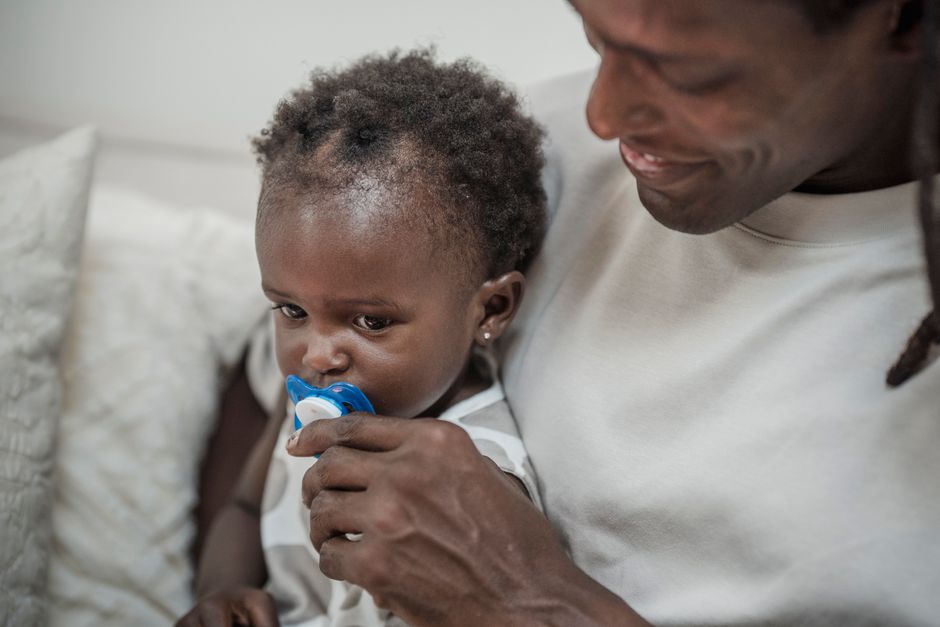
If your 18-month-old is still using a pacifier, you are not alone. Many parents worry about when and how to stop. The short answer is that weaning at 18 months is a good time because the habit is not as deeply set as it would be at age three. But it takes a consistent plan, patience, and knowing that some crying is normal. This article covers what research says works and what to avoid.
Why 18 Months Is a Good Time to Stop the Pacifier
Dentists and pediatricians often recommend stopping pacifier use between 12 and 24 months. At 18 months, your child is in a sweet spot. The risk of dental problems like an open bite or crossbite is lower if you stop before age two. Current research suggests that prolonged pacifier use beyond age two can change how teeth align and affect speech development.
Another reason 18 months works is that your toddler is old enough to understand simple explanations but young enough that the habit is not deeply wired. Waiting until age three often means the child has a stronger emotional attachment. That makes weaning harder for everyone.
Some parents worry about sudden infant death syndrome (SIDS) risk if they stop too early. That concern applies to babies under 12 months. At 18 months, the SIDS risk is already extremely low. So there is no safety reason to keep the pacifier.
How To Wean Baby Off Pacifier At 18 Months: Step-by-Step Methods
There is no single method that works for every child. But research and pediatric guidance point to a few strategies that have the best track record. The key is to pick one approach and stick with it for at least two weeks before deciding it is not working.
Cold turkey removal is the fastest method. You take all pacifiers away at once and do not give them back. This works well for children who are not extremely attached. Expect three to five nights of disrupted sleep. Most children adjust within a week. The advantage is that it is over quickly. The downside is that it can be rough on parents and children.
Gradual reduction works better for children who rely heavily on the pacifier for sleep. You start by limiting pacifier use to the crib or bed only. After a few days, you cut nap-time use. Then you cut bedtime use. This method takes two to four weeks. It causes less crying overall but requires more consistency from parents.
The pacifier fairy or trade-in method works well for toddlers who are old enough to understand a simple story. You tell your child that the pacifier fairy will take the pacifiers and leave a special toy in exchange. This gives the child a sense of control. Many parents report success with this approach. But it requires your child to be verbal enough to grasp the concept.
Here is a quick comparison of the three main methods:
| Method | Time to Complete | Best For | Difficulty Level |
|---|---|---|---|
| Cold turkey | 3-7 days | Less attached children | High initial crying |
| Gradual reduction | 2-4 weeks | Heavy sleep users | Moderate, longer duration |
| Pacifier fairy | 1-2 days | Verbal toddlers | Low if child understands |
What Research Says About Pacifier Weaning at 18 Months
Studies have found that children who stop pacifier use between 12 and 24 months have lower rates of ear infections and dental misalignment. One study published in the Journal of the American Dental Association showed that children who used pacifiers past age two were more likely to need orthodontic treatment later.
Research on sleep disruption during weaning shows that most children return to normal sleep patterns within one to two weeks. The crying and fussing at bedtime is temporary. It does not cause long-term sleep problems. Some studies suggest that children who self-soothe without a pacifier actually develop better sleep skills in the long run.
Evidence indicates that the method matters less than consistency. A 2019 review of weaning studies found that parents who switched methods mid-way had lower success rates. The review also noted that involving the child in the process when possible improved outcomes.
There is no clinical evidence that weaning at 18 months causes emotional harm. Some parents worry about attachment issues. But current research suggests that toddlers adapt quickly to new soothing routines. The pacifier is a tool for comfort, not a relationship. Replacing it with other comfort strategies works well.





Common Mistakes Parents Make When Weaning at 18 Months
Giving in after a few nights of crying is the most common mistake. Your child will test whether the rule is real. If you give the pacifier back on night three, you have taught your child that crying for three nights gets results. Next time will be harder.
Another mistake is trying to wean during a major life change. Do not start pacifier weaning the same week you start potty training, move to a new house, or have a new baby. Your child can only handle so much change at once. Pick a calm two-week period.
Some parents hide pacifiers but keep them “just in case.” That makes it too easy to give in. Throw them away or donate them. If they are not in the house, you cannot use them at 3 AM when you are exhausted.
Using shame or punishment is not effective. Telling your child they are a “baby” for using a pacifier can backfire. It creates anxiety around the process. Stick to neutral language. Say “the pacifiers are gone now” without judgment.
Here are things to avoid during weaning:
- Starting during illness or teething pain
- Weaning both pacifier and bottle at the same time
- Letting grandparents or caregivers give in
- Using the pacifier for daytime calming after you have taken it for sleep
- Replacing the pacifier with a bottle or sippy cup at bedtime
How to Handle Night Wakings and Crying During Weaning
Night wakings are the hardest part of pacifier weaning at 18 months. Your child has likely used the pacifier to fall back asleep during natural night wakings. Without it, they will wake fully and cry. This is normal and expected.
Your job is to offer comfort without the pacifier. Pick a replacement strategy before you start. Some parents use a lovey or small stuffed animal. Others use gentle patting or shushing. Some sit by the crib for a few minutes. Whatever you choose, be consistent. Do not pick up and rock one night and then pat the next. That confuses your child.
Limit your response time. If you rush in at the first sound, your child learns that crying brings immediate attention. Wait 30 seconds to a minute before responding. That gives your child a chance to settle on their own. Many toddlers will fuss for a minute and then go back to sleep without help.
If your child is crying hard and not settling, go in and offer comfort for one to two minutes. Then leave. Come back in five minutes if crying continues. This is called the graduated extinction method. Research shows it works well for weaning-related sleep disruptions. Most children stop crying within three to five nights.
What to Replace the Pacifier With at 18 Months
Your child needs something to fill the soothing role the pacifier played. The best replacement depends on what your child used the pacifier for. If it was mainly for sleep, a lovey or small blanket can work. If it was for general calming during the day, you may need more active strategies.
Some good replacement options include:
- A small stuffed animal that fits in the crib
- A soft baby blanket with a satin edge
- Gentle back rubbing or patting at bedtime
- A white noise machine set to the same sound every night
- A special “big kid” pillow or book for bedtime
Do not replace the pacifier with a bottle of milk or juice at bedtime. That can cause tooth decay and creates a new sleep crutch. Water is fine if your child is thirsty, but do not make it a routine.
Some children develop thumb sucking after pacifier weaning. This is a common concern. Thumb sucking is harder to stop because you cannot take the thumb away. But many children who switch to thumb sucking stop on their own by age three or four. If you notice thumb sucking starting, offer a lovey or other object to redirect the hand.
Current research suggests that thumb sucking causes similar dental issues as pacifier use if it continues past age four. But at 18 months, it is usually a temporary phase. Do not panic if it happens. Focus on the weaning win first.
Frequently Asked Questions
How long does it take to wean a baby off a pacifier at 18 months?
Most children adjust within one to two weeks. Cold turkey methods often show results in three to five nights.
Is it better to go cold turkey or gradual for pacifier weaning?
Both work well. Cold turkey is faster but causes more crying. Gradual is gentler but takes longer to complete.
Will my child’s sleep be ruined if I take the pacifier away?
Sleep disruption is normal for the first few nights. Most children return to normal sleep patterns within one week.
Can I use the pacifier for naps but not bedtime?
Yes, that is a valid gradual approach. Cut nap use first, then cut bedtime use a few days later.
