
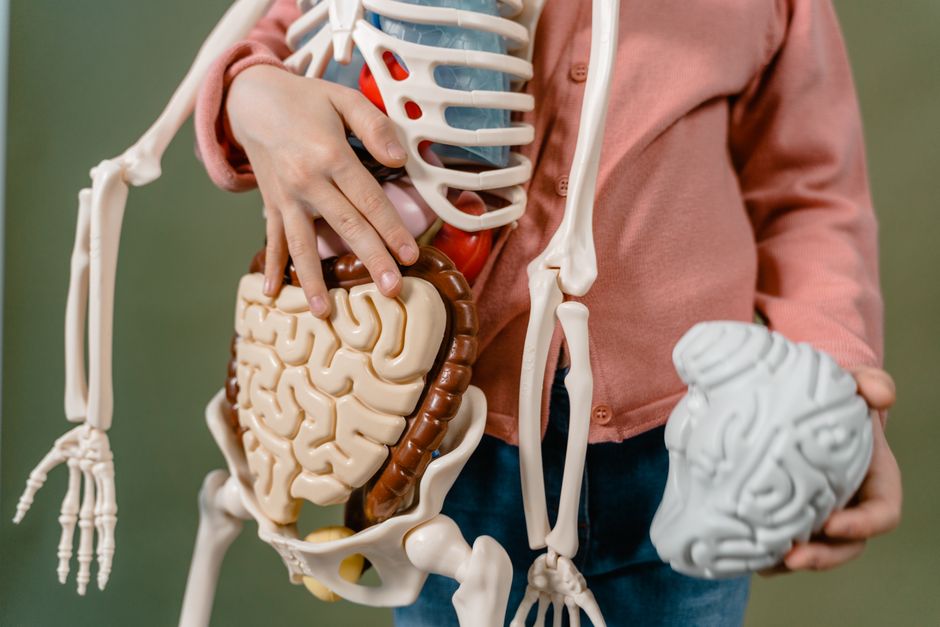
Your digestive system is a self-cleaning machine. It does not need juice cleanses, colonics, or expensive detox kits to work. What it needs is the right fuel and the right environment. So how do you flush your digestive system naturally? You eat more fiber, drink enough water, and stop putting things in your body that slow digestion down. That is the straightforward answer. The rest is just details about how to do it without falling for marketing tricks.
Does How To Flush Your Digestive System Naturally Actually Work?
Yes, it works if you define “flush” the right way. The body has its own built-in system for moving waste through the intestines and out. This is called peristalsis. It is a series of muscle contractions that push food and waste along. When this system slows down, you feel bloated and backed up. When it speeds up, you feel empty and regular.
Natural methods work because they support peristalsis without forcing it. Fiber adds bulk to stool. Water softens it. Movement stimulates the muscles. These are not new ideas. They are basic biology. The problem is that many products and plans claim to do this faster or better. Most of them do not. Your body already knows how to flush itself. You just have to stop getting in its way.
What does not work is a three-day juice fast or a colon cleanse kit from the internet. The evidence for these is weak. The American Gastroenterological Association has stated that colon cleansing for general health has no scientific support. Your colon does not need to be power-washed. It needs consistent support from what you eat and drink every day.
What Does Research on How To Flush Your Digestive System Naturally Show?
Research published in the journal Nutrients has found that dietary fiber is the single most effective natural tool for regular bowel movements. Fiber comes in two types. Soluble fiber dissolves in water and forms a gel that softens stool. Insoluble fiber does not dissolve and adds bulk that pushes waste through faster.
The recommended intake is 25 grams of fiber per day for women and 38 grams for men according to the Academy of Nutrition and Dietetics. Most Americans get about half that. That gap alone explains a lot of digestive complaints.
Water is just as important. A study in the American Journal of Gastroenterology found that low water intake was directly linked to constipation. Fiber without water can actually make things worse. It can form a plug instead of a soft mass. The two work together. Fiber needs water to do its job.
Physical activity also matters. A 2017 review in Scandinavian Journal of Gastroenterology found that moderate exercise like walking for 30 minutes a day improved bowel transit time. That means food moves through the digestive tract faster. Sitting for long periods slows everything down.
Probiotics are a mixed area. Some studies suggest certain strains like Bifidobacterium lactis can help with regularity. Other studies show no effect. The evidence is not strong enough to say probiotics are a must for everyone. If they help you, use them. If not, do not worry about it.
What Foods Help Flush Your Digestive System Naturally?
The best foods for digestion are whole plant foods. They contain fiber, water, and nutrients that support the gut. Here is a short list of foods with strong evidence behind them:
- Oats – High in soluble fiber. They soften stool and feed good gut bacteria.
- Prunes – Research in Alimentary Pharmacology and Therapeutics found prunes work better than psyllium for constipation. They contain sorbitol, a natural laxative.
- Leafy greens – Spinach, kale, and Swiss chard are high in insoluble fiber and magnesium. Magnesium helps relax the intestinal muscles.
- Apples – Contain pectin, a soluble fiber that ferments in the colon and encourages movement.
- Beans and lentils – Packed with both types of fiber. They also feed the microbiome.
- Chia seeds – They absorb many times their weight in water. This creates a gel that helps stool pass easily.
- Ginger – Not a fiber source but helps with bloating. It speeds up gastric emptying according to a study in the European Journal of Gastroenterology and Hepatology.
These foods work because they give the digestive system what it needs to do its job. They are not magic. They are just the raw materials your body uses to move waste along.





What Should You Avoid When Trying To Flush Your Digestive System Naturally?
Some foods and habits directly work against natural digestion. Cutting these out is just as important as adding the right foods.
Processed foods are low in fiber and high in fat and sugar. They slow down digestion. A diet heavy in fast food, white bread, and cheese can stop the digestive system in its tracks. The body has little to work with when there is no fiber.
Dairy is a problem for many people. Up to 65 percent of the global population has some degree of lactose intolerance according to the National Institutes of Health. Even if you are not fully intolerant, dairy can cause bloating and slow transit. Try cutting it for a week and see if things improve.
Alcohol is a diuretic. It dehydrates the body. Dehydration pulls water out of the stool and makes it hard. If you are trying to flush your system, alcohol is working against you. The same goes for caffeine in large amounts. One cup of coffee may stimulate a bowel movement. Four cups may dehydrate you.
Artificial sweeteners like sorbitol and xylitol are found in sugar-free gums and candies. Some people report they cause gas and bloating. The evidence is mixed but if you notice discomfort, cut them out.
The biggest thing to avoid is the idea that you need a drastic clean-out. Your body does not store toxins in the colon. That is a myth. The liver and kidneys handle toxins. The colon handles waste. Trying to force a flush with laxatives or colonics can cause dehydration, electrolyte imbalance, and dependency.
How Does Water Intake Affect How To Flush Your Digestive System Naturally?
Water is the most overlooked part of digestion. The colon reabsorbs water from waste as it passes through. If you are dehydrated, the colon takes more water. This leaves the stool dry and hard. That is the beginning of constipation.
The old advice of eight glasses a day is a general guideline. Individual needs vary based on body size, activity level, and climate. A better rule is to drink enough that your urine is light yellow. Dark urine means you need more water.
Warm water in the morning is a common recommendation for digestion. The evidence for this is thin but some people report it helps. There is no harm in trying it. The key is total water intake over the day, not the temperature of one glass.
Electrolytes matter too. Sodium and potassium help the muscles of the digestive tract contract. If you drink a lot of plain water without eating, you can dilute these. That is why water alone is not enough. Food provides the electrolytes. Water carries them.
What Is the Role of Exercise in How To Flush Your Digestive System Naturally?
Exercise stimulates the muscles of the digestive tract. It is not just about burning calories. The physical movement of walking, running, or cycling helps push gas and waste through the intestines.
Research in Gut journal found that people who exercised regularly had a 30 percent lower risk of constipation. Even light activity like a 15-minute walk after meals can make a difference. The key is consistency. One intense workout will not fix a week of poor digestion. Daily movement keeps things moving.
Yoga has some specific benefits. Twisting poses like the seated spinal twist are thought to massage the internal organs. There is limited clinical evidence for this but many people report relief from bloating after yoga. The breathing aspect of yoga also activates the parasympathetic nervous system. That is the rest-and-digest state. Stress shuts digestion down. Yoga turns it back on.
Pelvic floor tension is another factor. If the muscles around the anus are too tight, stool cannot pass easily. Relaxation exercises and proper posture on the toilet can help. A small stool under your feet to raise your knees above your hips straightens the rectum and makes elimination easier. This is called the squatting position and it is supported by research in the Journal of Clinical Gastroenterology.
| Method | How It Helps | Evidence Level |
|---|---|---|
| Fiber intake | Adds bulk and softens stool | Strong – supported by multiple clinical trials |
| Water intake | Prevents hard stool | Strong – linked to constipation risk in population studies |
| Exercise | Stimulates peristalsis | Moderate – consistent findings in observational studies |
| Probiotics | May improve regularity | Weak to moderate – strain dependent |
| Colon cleanses | Claims to remove toxins | None – no clinical evidence for general health |
| Juice fasts | Claims to reset digestion | None – no evidence and may cause nutrient gaps |
Frequently Asked Questions
How long does it take to naturally flush your digestive system?
For most people, improvements happen within 24 to 72 hours of increasing fiber and water. Full regularity may take one to two weeks.
Can you flush your digestive system with just water?
No. Water alone will not push waste through. You need fiber to create bulk and movement to stimulate the muscles.
Is lemon water good for flushing the digestive system?
Lemon water adds vitamin C and may help some people drink more water. There is no strong evidence that lemon itself flushes the system.
Does apple cider vinegar help clean out the digestive tract?
There is no clinical evidence that apple cider vinegar flushes the digestive system. Some people report less bloating but the effect is not consistent.
