

Nitric oxide is a gas your body makes on demand, and it does one job in your blood vessels extremely well: it tells the smooth muscle in artery walls to relax. When that muscle relaxes, vessels widen, resistance drops, and blood flows more easily. You support this system through daily habits — regular aerobic movement, eating nitrate-rich vegetables, not smoking, and managing blood pressure and blood sugar — because there is no proven way to raise nitric oxide by swallowing a pill.
That last point matters. Nitric oxide is a signaling molecule, not a nutrient. It lasts seconds in the bloodstream. So the goal is not to “stock up” on it. The goal is to keep the machinery that produces it working.
What Is Nitric Oxide And What Does It Do In Your Body?
Nitric oxide is a short-lived gas your cells produce to carry signals between them. In the cardiovascular system, it is the main molecule that keeps blood vessels in a relaxed, open state.
Here is the basic sequence. The inner lining of your arteries — a single-cell-thick layer called the endothelium — converts the amino acid L-arginine into nitric oxide using enzymes called nitric oxide synthases. The nitric oxide diffuses into the surrounding muscle layer, which relaxes. The vessel widens. Blood pressure in that segment falls.
This process runs constantly, adjusting blood flow second by second. It is why your vessels can widen when you exercise, when you digest a meal, or when you stand up.
Nitric oxide also does work beyond blood flow. It helps regulate platelet stickiness, which affects clotting. It plays a role in immune signaling. And in the nervous system it acts as a neurotransmitter.
What happens when this system falters is well documented. Endothelial dysfunction — a reduced ability of the lining to produce usable nitric oxide — is one of the earliest measurable steps in atherosclerosis. It shows up before plaque does. It is associated with high blood pressure, high cholesterol, diabetes, smoking, and aging.
That is the reason the topic gets so much attention. Not because nitric oxide is a supplement category, but because the health of your endothelium is a meaningful marker of vascular health.
How To Increase Nitric Oxide For Better Blood Flow
The most reliable ways to support nitric oxide production are behavioral, not supplemental. Exercise, diet, and removing things that damage the endothelium do more than any product sold for this purpose.
Move your body aerobically. When blood flows faster across the endothelium, it creates a physical drag force called shear stress. The endothelium responds by producing more nitric oxide. This is one of the better-established mechanisms in vascular biology. Regular aerobic activity — walking briskly, cycling, swimming, running — repeatedly applies that stimulus.
The effect is not permanent. It fades when you stop. Consistency matters more than intensity for this specific mechanism, though higher-intensity work produces greater shear stress during the session.
Eat vegetables that contain nitrate. Beetroot, spinach, arugula, lettuce, and other leafy greens contain dietary nitrate. Your body can convert nitrate to nitrite and then to nitric oxide through a pathway that does not depend on the endothelium. This matters because it offers a second route when endothelial function is impaired.
This pathway is real and reasonably well studied. What is less clear is how much it changes long-term cardiovascular outcomes. Short-term studies show measurable effects on blood pressure and exercise efficiency. Long-term outcome data are thinner.
Do not smoke. Cigarette smoke directly damages the endothelium and reduces nitric oxide availability. This is one of the more consistent findings in vascular research. Stopping reverses some of the damage over time, though the timeline varies by person and by how long someone smoked.
Manage blood pressure and blood sugar. Both high blood pressure and elevated glucose impair endothelial function. This is a two-way street — poor nitric oxide signaling contributes to high blood pressure, and high blood pressure damages the cells that make nitric oxide.
Consider the amino acid L-citrulline. L-citrulline is converted in the body to L-arginine, the raw material for nitric oxide production. Some studies suggest citrulline raises arginine levels more effectively than taking arginine directly, because it bypasses breakdown in the gut and liver. Whether this translates into meaningful clinical benefit is not firmly established.
Does Exercise Really Raise Nitric Oxide?
Yes, and the mechanism is well described. Exercise increases blood flow, which increases shear stress on the endothelium, which stimulates nitric oxide production.
This is not a subtle effect in the laboratory. Researchers can measure improved endothelial function after exercise training using flow-mediated dilation, a standard ultrasound technique. Improvements appear with regular training and diminish with detraining.
What exercise does not do is fix everything. If you have significant atherosclerosis, exercise improves endothelial function but does not remove existing plaque. It is one input among several.
There is also a practical point people miss. Very intense exercise can transiently increase oxidative stress, which can temporarily reduce nitric oxide availability. This is normal and short-lived. The chronic adaptation — better endothelial function at rest — is what matters. There is no evidence that moderate exercise harms the nitric oxide system in healthy people.




Which Foods Support Nitric Oxide Production?
Two food categories have the most direct evidence: nitrate-rich vegetables and foods containing L-arginine or L-citrulline.
Dietary nitrate is concentrated in leafy greens and root vegetables. The body’s nitrate-to-nitrite-to-nitric-oxide pathway is well characterized. It involves bacteria on your tongue, which is why some antiseptic mouthwashes have been shown to blunt the blood pressure effect of a beetroot drink in small studies.
L-citrulline is found in watermelon, though the amounts are modest. L-arginine appears in nuts, seeds, meat, and dairy.
Here is a comparison of common food sources and what they contribute.
| Food | Primary contributor | Notes |
|---|---|---|
| Beetroot | Dietary nitrate | Most studied single food for this pathway |
| Spinach, arugula, lettuce | Dietary nitrate | Concentrations vary by growing conditions |
| Watermelon | L-citrulline | Amounts are modest per serving |
| Nuts and seeds | L-arginine | Also supply healthy fats and fiber |
| Citrus fruit | Vitamin C | Supports the enzyme that makes nitric oxide |
Vitamin C deserves a mention because it helps protect nitric oxide from being broken down by oxidative stress. This does not mean megadoses help. It means a diet with adequate vitamin C supports the system.
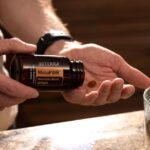
Do Nitric Oxide Supplements Actually Work?
Most commercial nitric oxide supplements have limited evidence for meaningful health benefit, and the marketing often outruns the data.
The category usually contains L-arginine, L-citrulline, beetroot powder, or a mix. Some of these have plausible mechanisms. But mechanism is not the same as demonstrated benefit.
L-arginine is the most studied and the most problematic. When taken orally, a large fraction is broken down before it reaches circulation. Studies in people with cardiovascular disease have produced mixed results, and some research has raised questions about safety at higher doses in people who have had a heart attack.
L-citrulline has a better absorption story. Some small trials show improved markers of endothelial function or exercise performance. These are not large outcome trials. No one has shown that taking citrulline reduces heart attacks or strokes.
Beetroot powder is essentially a nitrate delivery system. It can raise nitrite levels and has shown short-term effects on blood pressure in some studies. Effects are generally modest and vary between people.
What no supplement in this category has shown is a reduction in cardiovascular events. That is the outcome that matters, and the evidence is not there.
If you take blood pressure medication, talk to your doctor before adding any product marketed for nitric oxide. Some can interact with nitrates or affect blood pressure.
What Habits Damage Nitric Oxide Production?
Several common habits work directly against the system, and they tend to compound.
- Smoking. Damages endothelial cells and reduces nitric oxide availability.
- High-sugar diets. Elevated glucose impairs endothelial function.
- Chronic stress. Stress hormones can reduce nitric oxide production over time.
- Poor sleep. Short sleep is associated with impaired endothelial function in some studies.
- Sedentary behavior. Removes the shear stress stimulus that maintains the system.
- Excess alcohol. Can increase oxidative stress and reduce nitric oxide availability.
One clarification worth making: aging reduces nitric oxide production, but it does not eliminate it. Older adults still respond to exercise and dietary nitrate. The response is often smaller, but it is real. This is one reason physical activity remains relevant at every age.
Another point people miss is that mouthwash use can matter. The bacteria on your tongue convert dietary nitrate to nitrite, which is the first step in the nitrate-to-nitric-oxide pathway. Antibacterial mouthwash can interrupt that step. This does not mean mouthwash is dangerous. It means the food pathway is more fragile than it looks.
How Long Before You See A Difference?
Some effects appear quickly. Blood pressure changes from a beetroot drink can show up within hours in studies. Endothelial function improvements from a single exercise session can be measured the same day.
Durable changes take longer. Improvements in resting endothelial function from regular exercise training generally take several weeks to become measurable. Reversing some of the damage from years of smoking or poorly controlled blood sugar takes longer still, and the extent of reversal varies widely between people.
There is no reliable timeline that applies to everyone. What is consistent across the research is that the inputs matter more than the speed. Regular movement, a diet rich in vegetables, not smoking, and managing blood pressure and blood sugar do more for this system than any single product.
Frequently Asked Questions
Can you increase nitric oxide naturally?
Yes. Regular aerobic exercise, eating nitrate-rich vegetables like beetroot and spinach, and avoiding smoking all support nitric oxide production through well-described mechanisms. No supplement is required to do this.
What is the fastest way to raise nitric oxide?
A single bout of aerobic exercise raises nitric oxide production within the session, and dietary nitrate from beetroot or leafy greens can affect blood pressure within hours. These are short-term effects, not lasting changes.
Do nitric oxide supplements really work?
Some show short-term effects on blood pressure or blood flow markers, but none have been shown to reduce heart attacks or strokes. The evidence is not strong enough to call them effective for cardiovascular outcomes.
Does drinking beetroot juice lower blood pressure?
Some studies show modest short-term reductions in blood pressure after drinking beetroot juice, due to its nitrate content. Effects vary between people and the long-term outcome data are limited.
