
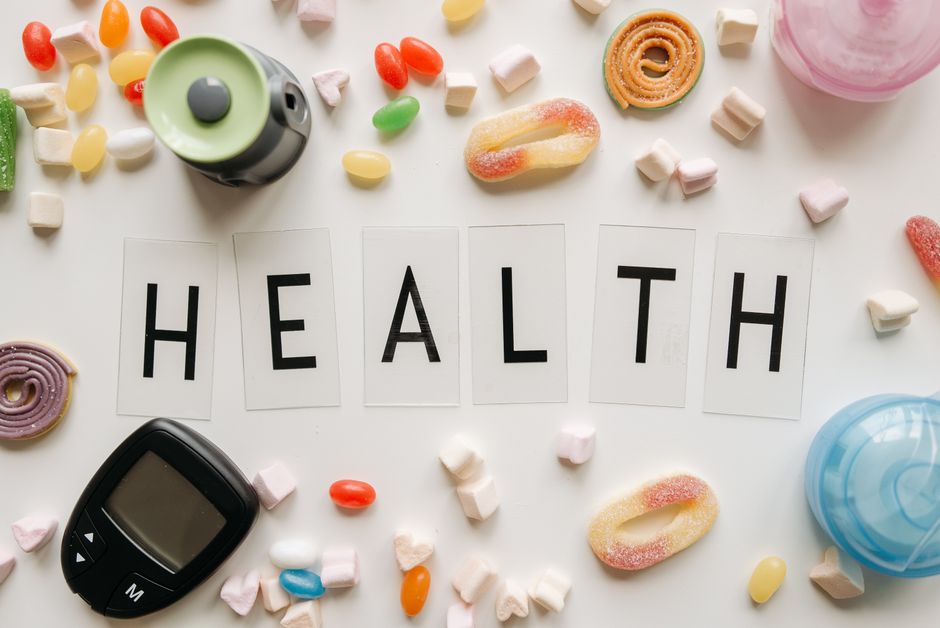
Hemochromatosis is a condition where the body absorbs and stores too much iron. Over time, this extra iron builds up in organs like the liver, heart, and pancreas. The question of whether it increases blood clot risk is important because clots can be dangerous. The direct answer is that hemochromatosis itself is not typically listed as a major, independent cause of blood clots. However, the organ damage caused by untreated iron overload can create conditions that raise clotting risk. The relationship is indirect but real, and it depends heavily on how well the condition is managed.
What Is Hemochromatosis and How Does Iron Overload Work?
Hemochromatosis is a genetic disorder that causes the digestive tract to absorb more iron than the body needs. The body has no natural way to excrete excess iron. So the surplus gets stored in tissues.
Over years, this iron accumulation can reach toxic levels. The most common form is hereditary hemochromatosis, caused by mutations in the HFE gene. Most people with the condition inherit two copies of the faulty gene, one from each parent. Not everyone with the gene mutations develops severe iron overload. Diet, blood loss, and other factors influence how much iron actually accumulates.
When iron builds up, it causes oxidative stress. This means it damages cells at a chemical level. The liver is usually the first organ affected. Over time, this damage can lead to scarring, which doctors call fibrosis, and eventually cirrhosis.
Does Hemochromatosis Increase The Risk Of Blood Clots?
Hemochromatosis does not directly cause blood clots in the way that, say, a genetic clotting disorder like Factor V Leiden does. There is no mechanism where iron itself makes blood platelets stickier or triggers clot formation directly.
However, the complications of untreated hemochromatosis can increase clotting risk. The most significant link is through liver damage. When the liver becomes scarred, it produces fewer of the proteins that normally prevent blood from clotting excessively. At the same time, blood flow through the scarred liver slows down. Both of these changes make clots more likely, particularly in the portal vein, which carries blood from the intestines to the liver.
This type of clot is called portal vein thrombosis. It is a serious condition. People with cirrhosis from any cause, including hemochromatosis, have a higher risk of developing it. The risk is not unique to hemochromatosis. It applies to cirrhosis from alcohol, hepatitis, or other causes.
So the accurate answer is this: hemochromatosis increases blood clot risk only when it has progressed to significant liver disease. Early-stage hemochromatosis, before organ damage occurs, does not appear to raise clotting risk on its own.
How Liver Damage Changes Clotting
The liver is the main factory for clotting proteins. It makes both the proteins that help blood clot and the proteins that keep clotting in check. When the liver is healthy, this balance keeps blood flowing normally.
In cirrhosis, this balance breaks down. The liver produces fewer anticoagulant proteins, such as protein C and protein S. These proteins normally stop clots from forming when they are not needed. With lower levels, the blood becomes more prone to clotting.
At the same time, cirrhosis changes blood flow. Scar tissue blocks the normal passage of blood through the liver. This causes pressure to build up in the portal vein, a condition called portal hypertension. Slower blood flow gives clots a chance to form. This combination of slower flow and fewer protective proteins is what raises clot risk.
Interestingly, people with advanced liver disease can also have bleeding problems. The liver makes fewer clotting factors too. This means a person with cirrhosis can be at risk for both clots and bleeding at the same time. This is a delicate clinical situation that requires careful management.


What the Research Shows
Research on hemochromatosis and blood clots specifically is limited. Most of what doctors know comes from studies on cirrhosis and portal vein thrombosis in general.
Some studies have looked at whether iron levels themselves affect clotting in people without liver disease. The results are mixed. Some research suggests that high ferritin levels, which indicate stored iron, may be associated with a higher risk of venous thromboembolism. Venous thromboembolism is the umbrella term for deep vein thrombosis and pulmonary embolism. Other studies have not found this association.
One challenge is that ferritin is also an acute phase reactant. This means it goes up with any inflammation in the body. So a high ferritin level might reflect inflammation rather than iron overload specifically. This makes it hard to separate the effects of iron from the effects of inflammation.
The clearest evidence points to liver disease as the main driver of clot risk in hemochromatosis. When patients are treated early and iron levels are kept normal, liver damage can be prevented. In that case, their clotting risk appears to be similar to the general population.
Signs of a Blood Clot You Should Know
Blood clots can happen anywhere in the body, but the most common locations are the legs and lungs. Knowing the warning signs matters, especially if you have advanced liver disease.
Deep vein thrombosis, or DVT, usually happens in the leg. Symptoms include swelling, pain, warmth, and redness in one leg. The pain is often described as a cramp or charley horse that does not go away.
A pulmonary embolism happens when a clot breaks loose and travels to the lungs. Symptoms include sudden shortness of breath, chest pain that worsens with deep breathing, a rapid heart rate, and coughing up blood. This is a medical emergency.
Portal vein thrombosis can be harder to notice. Symptoms may include abdominal pain, nausea, and an enlarged spleen. Sometimes it is found only during imaging tests done for other reasons. In some cases, it causes bleeding in the esophagus from swollen veins called varices.
If you have hemochromatosis and liver disease, discuss these symptoms with your doctor. Do not wait to seek help if you develop sudden leg swelling or chest pain.
How Hemochromatosis Is Treated and Why It Matters for Clot Risk
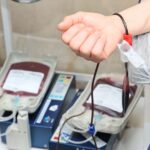
The standard treatment for hemochromatosis is phlebotomy, which means removing blood from the body on a regular schedule. Each unit of blood removed takes a significant amount of iron with it. This treatment is effective at lowering iron levels to a safe range.
Once iron levels are normal, the progression of organ damage stops. In many cases, this prevents cirrhosis from developing in the first place. If cirrhosis is already present, treatment can slow further damage but cannot reverse the scarring that has already occurred.
For people who cannot tolerate phlebotomy, doctors may use chelation therapy. This involves medication that binds to iron and helps the body excrete it. This is more commonly used for other forms of iron overload, but it is an option in some cases.
The key point is that early treatment changes the outcome. People who are diagnosed before organ damage occurs and who maintain normal iron levels have a normal life expectancy. Their blood clot risk is not elevated. People diagnosed after cirrhosis has developed face a different situation. Their clot risk is higher because of the liver disease, not because of the iron itself.
When to See a Doctor
Hemochromatosis is often diagnosed through routine blood tests. A ferritin level and transferrin saturation test can point to iron overload. If these are high, a genetic test can confirm the diagnosis.
If you have a family history of hemochromatosis, talk to your doctor about testing. The condition is more common in people of Northern European descent. Symptoms can include fatigue, joint pain, abdominal pain, and unexplained weight loss. Many people have no symptoms at all in the early stages.
If you have been diagnosed, regular monitoring is essential. Your doctor will check your iron levels and liver function on a schedule. Imaging tests may be used to assess liver health. Catching problems early is the single most effective way to prevent complications, including any potential clot risk.
Frequently Asked Questions
Can high iron levels cause blood clots on their own?
No clear evidence shows that high iron levels alone directly cause blood clots. The increased clot risk in hemochromatosis comes from liver damage that occurs when the condition is untreated.
Does treating hemochromatosis reduce blood clot risk?
Yes, treatment that keeps iron levels normal prevents liver damage, which is the main driver of clot risk. People treated early have a clot risk similar to the general population.
What type of blood clot is most common in hemochromatosis?
Portal vein thrombosis, a clot in the vein that carries blood to the liver, is the most common type associated with hemochromatosis-related liver disease. This risk applies to cirrhosis from any cause, not just hemochromatosis.
Should I take blood thinners if I have hemochromatosis?
Blood thinners are not prescribed routinely for hemochromatosis. They may be considered if you have liver disease and a confirmed clot or a high clot risk, but this decision must be made by your doctor because advanced liver disease can also increase bleeding risk.
