
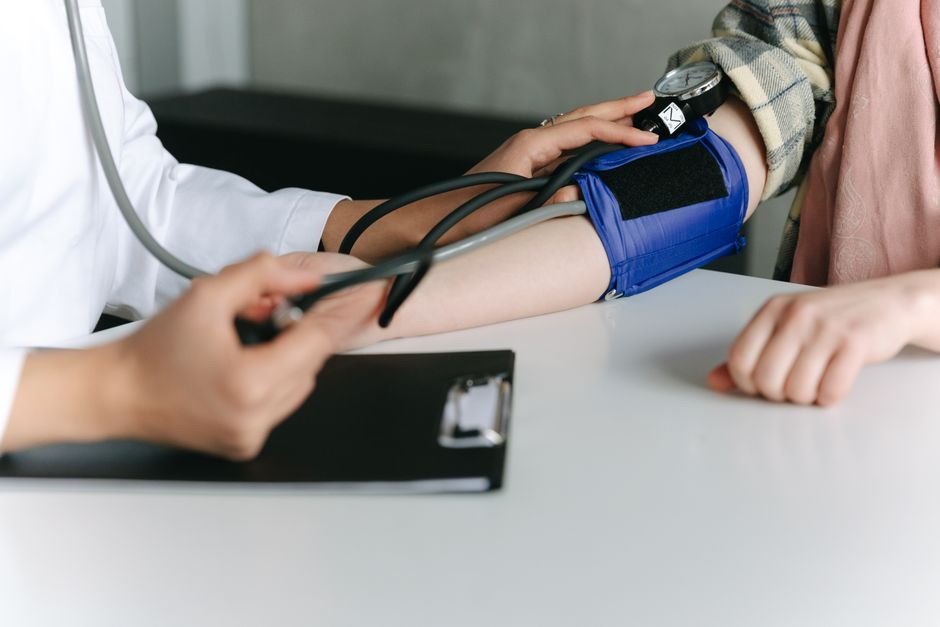
Increasing blood flow to the penis is a direct way to improve erectile function, and the process depends on the health of your blood vessels. For most men, the most reliable steps involve daily habits that support cardiovascular health, alongside specific exercises and lifestyle changes. If you have an underlying medical condition, treating that condition is the first real step. This guide breaks down the process into clear, actionable steps based on what medical evidence actually supports.
What Causes Poor Blood Flow to the Penis?
Erections depend on blood flowing into the penis faster than it flows out. When that balance fails, erections become weaker or don’t happen at all. The most common cause is atherosclerosis, which is the hardening and narrowing of arteries due to plaque buildup. The same plaque that clogs the arteries feeding your heart can clog the smaller arteries feeding the penis.
Other causes include high blood pressure, high cholesterol, diabetes, and smoking. These conditions damage the inner lining of blood vessels, called the endothelium. The endothelium releases nitric oxide, a molecule that signals blood vessels to relax and widen. When the endothelium is damaged, nitric oxide production drops, and blood flow suffers.
Psychological factors like stress and anxiety can also reduce blood flow. Stress triggers the release of adrenaline, which constricts blood vessels. This is a temporary effect, but chronic stress can keep blood vessels in a more constricted state.
Step 1: Improve Your Cardiovascular Health
Your penis is only as healthy as your blood vessels. Research consistently shows that erectile dysfunction is often an early warning sign of cardiovascular disease. Men who have trouble getting or keeping erections are more likely to have undiagnosed heart problems.
The most effective way to increase penile blood flow is to improve your overall cardiovascular fitness. This means regular aerobic exercise — brisk walking, jogging, swimming, or cycling. The American Heart Association recommends at least 150 minutes of moderate-intensity aerobic activity per week. Moderate intensity means your heart rate is elevated and you can still talk but not sing.
Exercise works through multiple mechanisms. It strengthens the heart, which pumps blood more efficiently. It also stimulates the endothelium to produce more nitric oxide. Over time, regular exercise can reverse some of the damage caused by a sedentary lifestyle.
Strength training also helps. Resistance exercise improves insulin sensitivity and blood vessel function. A combination of aerobic and resistance training appears to be more effective than either alone.
Step 2: Eat for Blood Vessel Health
Diet directly affects blood flow by influencing blood pressure, cholesterol, and blood sugar. A diet that supports cardiovascular health will support erectile function.
The Mediterranean diet is the best-studied dietary pattern for heart health. It emphasizes vegetables, fruits, whole grains, legumes, nuts, and olive oil. It includes fish and poultry in moderation and limits red meat and processed foods. Research published in the Journal of Urology found that men who followed a Mediterranean-style diet had better erectile function than those who did not.
Specific foods that support blood flow include:
- Beets — rich in nitrates, which the body converts to nitric oxide
- Spinach and leafy greens — also high in dietary nitrates
- Citrus fruits — contain flavonoids that support blood vessel function
- Dark chocolate — contains flavanols that can improve blood flow
- Watermelon — contains L-citrulline, an amino acid that may boost nitric oxide
Limit sodium intake. Excess sodium raises blood pressure, which damages blood vessels over time. The American Heart Association recommends no more than 2,300 milligrams of sodium per day, with an ideal limit of 1,500 milligrams for most adults.
Limit saturated fats and avoid trans fats entirely. These fats contribute to plaque buildup in arteries. Replace them with unsaturated fats from olive oil, avocados, and nuts.

Step 3: Stop Smoking and Limit Alcohol
Smoking is one of the strongest risk factors for erectile dysfunction. The chemicals in tobacco smoke damage the endothelium and reduce nitric oxide availability. They also increase blood viscosity, making blood thicker and harder to pump through small vessels. Men who quit smoking show measurable improvements in erectile function within months.
If you don’t smoke, don’t start. If you do smoke, quitting is the single most impactful change you can make for penile blood flow. Nicotine replacement therapy, prescription medications, and counseling all improve quit rates. Talk to your doctor about which approach is right for you.
Alcohol has a more complicated relationship with erectile function. Small amounts may help by reducing anxiety and promoting relaxation. Excessive alcohol is clearly harmful. Alcohol is a depressant that can impair nerve signaling and reduce blood flow. Chronic heavy drinking damages the liver and blood vessels, both of which affect erectile function.
Moderate drinking is defined as up to one drink per day for men. Binge drinking — five or more drinks in a short period — is associated with a significantly higher risk of erectile dysfunction.
Step 4: Exercise the Pelvic Floor
Pelvic floor exercises, also called Kegel exercises, strengthen the muscles that support the penis and help push blood into it during an erection. These muscles are the same ones you use to stop urine flow midstream.
To find the right muscles, try to stop urinating midstream. The muscles that engage are your pelvic floor muscles. Once you can identify them, you can do the exercises anywhere.
Here is the technique:
- Tighten your pelvic floor muscles and hold for 3 to 5 seconds
- Relax completely for 3 to 5 seconds
- Repeat 10 to 15 times
- Do this 3 times per day
Research on pelvic floor exercises for erectile dysfunction shows they are effective, particularly for men who have had prostate surgery. Some studies also show benefit for men with general erectile dysfunction. The key is consistency — improvements take several weeks to appear.
Do not do these exercises while urinating. Doing them during urination can interfere with normal bladder emptying and increase the risk of urinary tract infections.
Step 5: Manage Stress and Sleep
Stress and poor sleep both reduce blood flow. When you are stressed, your body releases cortisol and adrenaline. These hormones constrict blood vessels and reduce nitric oxide production. Chronic stress keeps your blood vessels in a state of partial constriction, which makes erections harder to achieve.
Stress management techniques include:
- Deep breathing exercises — slow, diaphragmatic breathing activates the parasympathetic nervous system
- Mindfulness meditation — reduces stress hormones and improves mood
- Regular exercise — the same exercise that helps blood flow also reduces stress
- Adequate sleep — sleep deprivation raises cortisol and reduces testosterone
Sleep is particularly important. Most testosterone production happens during deep sleep. Men who sleep fewer than 6 hours per night have lower testosterone levels than men who sleep 7 to 8 hours. Low testosterone is associated with reduced libido and weaker erections.
Obstructive sleep apnea deserves special attention. This condition causes repeated pauses in breathing during sleep, reducing oxygen levels in the blood. It is strongly associated with erectile dysfunction. Treating sleep apnea with a CPAP machine can improve erectile function in men who have both conditions.
Step 6: Consider Supplements With Caution
Several supplements are marketed for increasing penile blood flow. The evidence for most of them is weak. Some have meaningful research behind them. Here is what the evidence actually shows.
L-arginine is an amino acid that the body converts to nitric oxide. Some studies show it improves erectile function, particularly in men with mild to moderate dysfunction. The evidence is strongest when L-arginine is combined with other compounds like pycnogenol. Doses used in studies typically range from 1,500 to 5,000 milligrams per day. However, L-arginine can interact with blood pressure medications and should be discussed with a doctor first.
L-citrulline is another amino acid that the body converts to L-arginine. Some research suggests it is more effective than L-arginine because it is absorbed better. A small study found that men with mild erectile dysfunction who took L-citrulline daily reported improvement in erection hardness. The dose used was 1,500 milligrams per day.
Ginseng, specifically Korean red ginseng, has some evidence of benefit. A meta-analysis of clinical trials found that ginseng improved erectile function compared to placebo. The effect was moderate, and the quality of the studies varied.
Horny goat weed and yohimbe are widely marketed but have limited evidence. Yohimbe can cause dangerous increases in heart rate and blood pressure. It should not be used without medical supervision.
The supplement industry is not regulated for safety or efficacy. Products can contain ingredients not listed on the label, and some contain hidden prescription drugs. If you choose to try a supplement, buy from a reputable manufacturer and tell your doctor.
When to See a Doctor
Erectile dysfunction can be a sign of a serious underlying condition. If you have trouble getting or keeping erections that persists for more than 3 months, see a doctor. This is especially important if you have risk factors like diabetes, heart disease, or high blood pressure.
Sudden loss of erectile function is a different situation. If you had normal erections and lost them suddenly, this could signal a psychological event or a medication side effect. It could also indicate a vascular problem that needs evaluation.
Your doctor can perform simple tests to assess blood flow and identify underlying conditions. These may include blood tests for testosterone, cholesterol, and blood sugar. Your doctor may also check your blood pressure and assess your cardiovascular risk.
Treatments for erectile dysfunction include oral medications like sildenafil (Viagra) and tadalafil (Cialis). These drugs work by enhancing the effects of nitric oxide, increasing blood flow to the penis. They are effective in most men but require a prescription because they can interact with other medications, particularly nitrates used for heart conditions.
Other treatments include vacuum erection devices, penile injections, and, in severe cases, penile implants. These are more invasive and are typically reserved for men who do not respond to oral medications.
Frequently Asked Questions
How long does it take to improve blood flow to the penis?
Most men notice improvement within 4 to 12 weeks of consistent lifestyle changes. The timeline depends on the severity of the underlying vascular damage and how consistently you follow the steps.
Can pelvic floor exercises really increase blood flow to the penis?
Yes, pelvic floor exercises strengthen the muscles that push blood into the penis during an erection. Studies show they are effective, especially when done consistently over several weeks.
Does drinking water help with blood flow to the penis?
Staying hydrated supports overall blood volume and circulation. Severe dehydration can reduce blood flow, but drinking more water than you need will not further increase penile blood flow.
Are supplements safe for increasing penile blood flow?
Some supplements like L-citrulline and Korean red ginseng have evidence of benefit, but they are not regulated for safety. Always discuss supplements with your doctor, especially if you take any prescription medications.
