
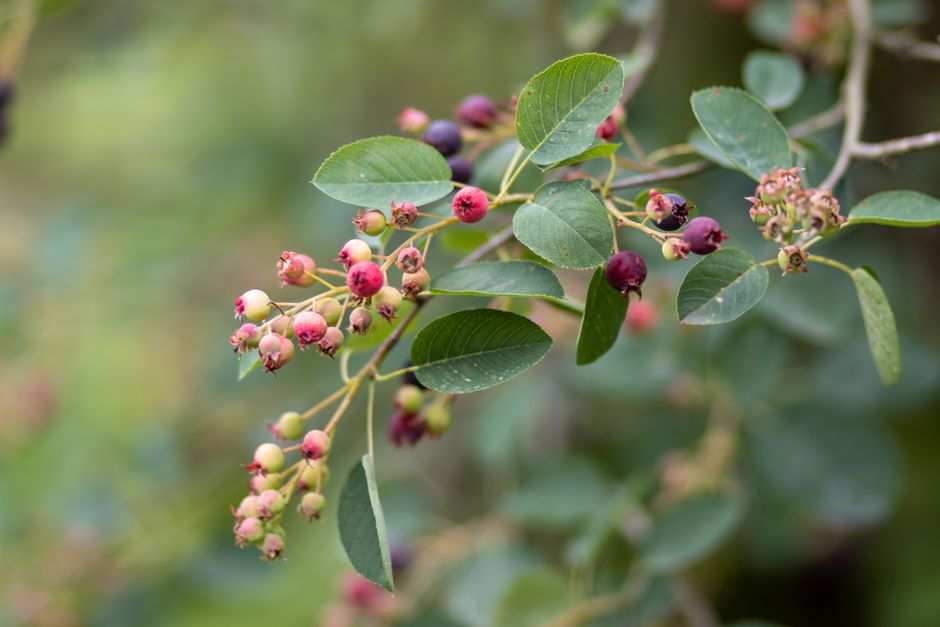
Foraging for wild berries is a rewarding way to connect with nature, but it carries real risks. The only way to stay safe is to positively identify a berry before eating it, using multiple features of the plant, not just the color of the fruit. Never eat a wild berry unless you are 100% certain of its species, because some toxic berries look very similar to safe ones and can cause serious illness or death.
Why Is Identifying Wild Berries So Difficult?
Many people think that if a berry is red or dark purple, it is safe to eat. That is a dangerous myth. Berry color tells you almost nothing about safety. Poisonous berries come in every color, including red, black, white, and blue.
Accurate identification requires looking at the whole plant. You need to examine the leaves, stems, thorns, flowers, and the berry itself. The shape of the leaves, how they grow on the stem, and the environment where the plant grows are all critical clues. A single feature, like berry color, is never enough.
Another challenge is that some toxic berries closely resemble edible ones. For example, the edible blackberry has many look-alikes. Some of these look-alikes are safe, but others are not. This is why you must identify the plant itself, not just the berry.
What Are the Most Common Safe Wild Berries?
Several wild berries are widely recognized as safe to eat. These are the ones most foragers learn first because they have strong identifying features.
Blackberries and Raspberries are the safest choices for beginners. They grow on thorny canes and have compound leaves with three to five leaflets. The key feature is the berry itself. When you pick a blackberry or raspberry, the core stays on the plant, leaving a hollow center in the berry. This is a reliable identification point.
Blueberries and Huckleberries grow on low, woody shrubs. The berries have a five-pointed crown at the top. The inside of a true blueberry is pale green or white, not blue or red. If you cut one open and the inside is blue or red, it is not a blueberry.
Elderberries grow in large clusters of tiny dark purple berries. The plant is a tall shrub with compound leaves. The berries must be cooked before eating because raw elderberries can cause nausea. Never eat the stems, leaves, or roots, which contain toxic compounds.
These four groups are the most commonly harvested wild berries in North America. Even with these, you must confirm every feature before eating.
What Are the Most Dangerous Toxic Berries?
Knowing the dangerous berries is just as important as knowing the safe ones. Some toxic berries are common in backyards and along hiking trails.
Pokeweed produces clusters of dark purple berries on tall plants with red stems. All parts of the pokeweed plant are toxic. The berries are especially dangerous for children. Eating even a few can cause severe abdominal cramping and vomiting.
Nightshade berries are small and shiny. Bittersweet nightshade produces bright red berries, while black nightshade produces dark berries. The unripe berries are the most toxic. Symptoms include headache, dizziness, and stomach pain.
Yew berries are bright red with a single dark seed in the center. The red flesh is not highly toxic, but the seed inside is. Chewing the seed can be fatal. The leaves of the yew plant are also highly toxic.
Holly berries are bright red and grow on evergreen shrubs with spiky leaves. Eating them causes vomiting and diarrhea. They are rarely fatal but are a common cause of emergency room visits for children.
Mistletoe berries are white and grow in clusters. All parts of the plant are toxic, and the berries are especially dangerous for children.
This list is not complete. There are many other toxic berries across North America. If you cannot name the plant with certainty, do not eat the berry.





How To Identify Wild Berries And Stay Safe: A Step-by-Step Approach
Use a systematic method every time you find a berry you want to identify. Do not rely on memory or a quick glance.
Start by photographing the entire plant. Take pictures of the leaves, the stems, the berries, and the flowers if any are present. Note the size of the plant. Is it a low ground cover, a tall shrub, or a climbing vine?
Next, examine the leaves closely. Are they simple or compound? What is their shape and edge pattern? How are they arranged on the stem?
Then look at the berry structure. Does it grow singly, in pairs, or in large clusters? Is it shiny or dull? What color is the juice inside?
Use a field guide or a trusted plant identification app to compare your photos. Look for a plant that matches every feature you observed. If even one feature does not match, start over.
When you think you have identified the plant, check for look-alikes. Research whether any toxic plants resemble your finding. Many toxic berries have harmless look-alikes, and many safe berries have toxic look-alikes.
Only eat a berry when you have confirmed the identification through multiple reliable sources. A good field guide specific to your region is the most dependable tool.
What Are the Look-Alike Berries You Must Know?
Some toxic berries look so similar to safe ones that even experienced foragers must pause. The most famous example involves the edible blackberry and the toxic look-alikes that grow on similar canes.
The black raspberry and the poisonous look-alike can be hard to tell apart. The safe black raspberry has a hollow core when picked. The toxic look-alike does not. This is why the hollow core test is so important.
The edible blueberry has a toxic look-alike called the moonseed. Moonseed berries look like wild grapes, not blueberries, but both can grow in similar areas. The critical difference is that moonseed has a single crescent-shaped seed, while grapes have multiple small seeds. Moonseed is highly toxic.
The edible elderberry has a toxic look-alike called the water hemlock berry. The plants look different, but the berries can be confusing. Water hemlock is one of the most toxic plants in North America.
These examples show why identification must be precise. A close match is not good enough. The plant must match every single feature of the safe species.
What Should You Do If Someone Eats a Toxic Berry?
If you suspect someone has eaten a toxic berry, act quickly. Do not wait for symptoms to appear.
First, remove any remaining berries from the person’s mouth. Do not induce vomiting unless a medical professional tells you to. Some toxins cause more damage when vomited back up.
Call poison control immediately. In the United States, the Poison Help line is 1-800-222-1222. Have the plant or a photo of it ready to describe to the specialist.
If the person is unconscious, having seizures, or struggling to breathe, call 911 immediately. Do not try to drive them to the hospital yourself in these cases.
Save a sample of the berry or plant for identification. This helps medical staff determine the correct treatment.
Do not rely on internet searches or home remedies in an emergency. Poison control specialists have the training and resources to guide you through the situation.
Are There Reliable Tools for Identifying Wild Berries?
Field guides are the most reliable identification tools. Choose one specific to your region. A guide for the Pacific Northwest will not help you identify plants in the Southeast.
Plant identification apps can be helpful but have limits. Apps work best when the plant has clear, distinctive features. They can struggle with young plants, damaged leaves, or unusual growing conditions. Use an app as a starting point, never as your final answer.
Local foraging groups and classes are excellent resources. Learning from an experienced forager in person is the safest way to build your skills. Many parks and nature centers offer guided foraging walks.
No tool replaces your own careful observation. The most important skill is patience. If you are not certain what a plant is, you do not eat it. That rule keeps foragers safe year after year.
Frequently Asked Questions
Can you eat wild berries if birds eat them?
No. Birds can safely eat berries that are toxic to humans because their digestive systems process toxins differently. Bird activity is not a sign of safety.
Are all red berries poisonous?
No, many red berries are safe to eat, but many others are toxic. Berry color alone cannot tell you if a berry is safe.
What is the safest wild berry for beginners to pick?
Blackberries and raspberries are the safest for beginners because they have a clear identifying feature: the hollow core left behind when picked. You must still confirm the plant has thorny canes and compound leaves before eating.
Is it safe to eat wild berries after washing them?
Washing removes dirt and some pesticides, but it does not remove toxins. If the berry is from a toxic plant, washing will not make it safe to eat.
