
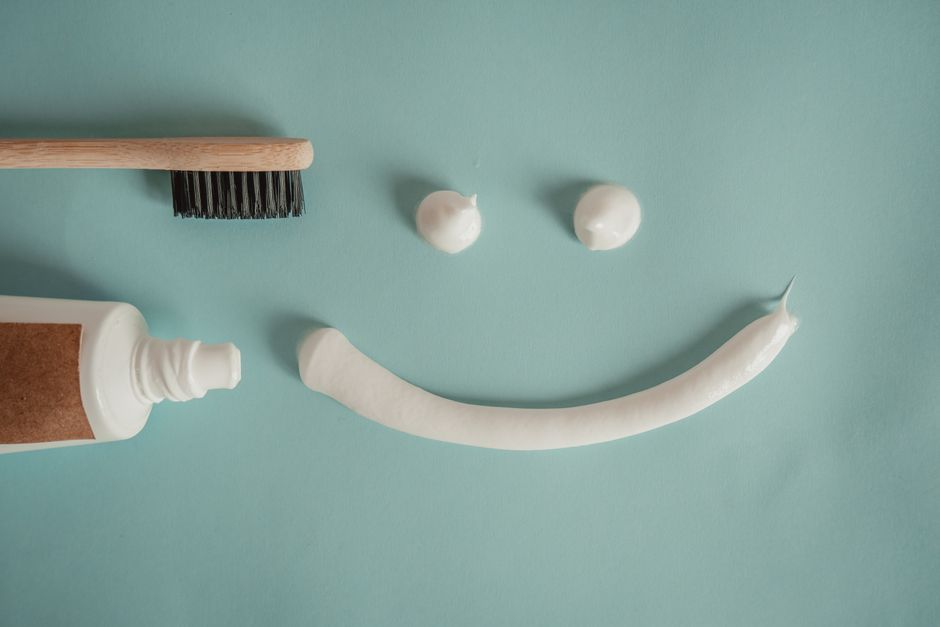
Whitening toothpaste is safe for most people to use every day, but it comes with a trade-off. The same abrasive ingredients that lift surface stains can wear down enamel if you use them too aggressively or for too long. The key is choosing the right formula, using the right amount, and paying attention to how your teeth respond.
How Does Whitening Toothpaste Actually Work?
Whitening toothpaste works differently than professional whitening treatments. Professional treatments use bleaching agents like hydrogen peroxide or carbamide peroxide that penetrate the tooth and break down deeper stains. Most whitening toothpastes do not contain these chemicals at bleaching strength.
Instead, most whitening toothpastes rely on mild abrasives to physically scrub away surface stains. Common abrasives include hydrated silica, calcium carbonate, and alumina. These are the same types of ingredients found in regular toothpaste, just in higher amounts or with different particle shapes.
Some whitening toothpastes also contain low concentrations of hydrogen peroxide. At these levels, the peroxide mainly helps lift surface discoloration rather than deeply bleaching the tooth. The American Dental Association notes that whitening toothpastes can remove surface stains but do not change the natural color of your teeth.
What Does Daily Use Do to Tooth Enamel?
Tooth enamel is the hardest substance in the human body, but it is not indestructible. It is made of tightly packed mineral crystals, primarily hydroxyapatite. Once enamel is worn away, your body cannot regenerate it.
The abrasiveness of toothpaste is measured by something called relative dentin abrasivity, or RDA. Regular toothpaste typically falls in the range of 70 to 100 RDA. Whitening toothpastes often range higher, sometimes reaching 150 or more. The ADA recommends an RDA of 250 as the maximum safe limit.
Every time you brush, you remove a tiny amount of enamel. With normal toothpaste, this loss is so small that the natural remineralization process keeps up. With highly abrasive whitening toothpaste used daily, the loss can outpace remineralization over time.
This is especially true if you brush too hard. Many people press down firmly when brushing, which multiplies the abrasive effect. Over months or years of daily use, this can lead to thinning enamel and increased tooth sensitivity.
Signs Your Toothpaste Is Too Abrasive
Your teeth will tell you if the toothpaste is causing damage. Watch for these warning signs:
- Increased sensitivity to hot, cold, or sweet foods and drinks
- Teeth that look more yellow rather than whiter over time
- Visible notches near the gum line where enamel has worn away
- Gums that feel irritated or recede around the teeth
- A rough or dull texture on the tooth surface
If you notice any of these signs, stop using the whitening toothpaste and switch to a gentle formula. Sensitivity that persists for more than a week or two warrants a visit to your dentist.
Yellowing that gets worse is counterintuitive but real. As enamel thins, the yellowish dentin underneath becomes more visible through the remaining enamel. This makes teeth appear more yellow, not less.





How to Use Whitening Toothpaste Safely Every Day
Daily use is generally acceptable if you follow a few practical rules. The first is to check the RDA value on the packaging. Many brands now list it voluntarily. If the number is above 150, consider alternating it with a regular toothpaste.
Use a pea-sized amount. More toothpaste does not equal more cleaning. It just means more abrasive material in your mouth.
Brush with light pressure. A common mistake is brushing like you are scrubbing a pan. Use a soft-bristled brush and let the bristles do the work. If you are unsure about your pressure, try brushing with your non-dominant hand for a few days to feel the difference.
Consider alternating days. Using whitening toothpaste every other day and a regular fluoride toothpaste on the other days gives your enamel time to recover. This is a simple approach that many dentists recommend for patients who want daily whitening benefits without the risk.
Do not brush immediately after eating acidic foods or drinks. Acid softens enamel temporarily. Brushing during this window removes more enamel than usual. Wait at least 30 minutes after consuming citrus, soda, or wine before brushing.
Fluoride matters. Make sure your whitening toothpaste contains fluoride. Fluoride helps remineralize enamel and can offset some of the abrasive wear. Most major brands include it, but check the label to be certain.
What About Hydrogen Peroxide in Whitening Toothpaste?
Some whitening toothpastes contain hydrogen peroxide in small amounts, typically around 1% or less. At this concentration, the peroxide provides modest stain-lifting but is not strong enough to bleach teeth deeply.
Peroxide in toothpaste is generally safe for daily use. The main concern is not the peroxide itself but the combination of peroxide and abrasives. The abrasives remove the surface layer, and the peroxide works on the exposed area. This combination can be more effective but also more irritating to sensitive teeth.
People with receding gums should be especially careful. Peroxide can irritate exposed dentin and gum tissue. If you have gum recession, talk to your dentist before using a whitening toothpaste that contains peroxide.
Who Should Avoid Daily Whitening Toothpaste
Some people should not use whitening toothpaste daily. If you have thin enamel or existing tooth sensitivity, the abrasives can make both problems worse.
People with exposed dentin from gum recession should use caution. Dentin is softer than enamel and wears away more quickly. Whitening toothpaste can accelerate this process.
Children under 12 should generally use a standard fluoride toothpaste rather than a whitening formula. Their enamel is still developing and more vulnerable to abrasion.
Anyone with enamel erosion from acid reflux, frequent vomiting, or a highly acidic diet should avoid abrasive whitening toothpastes altogether. Their enamel is already compromised.
If you have crowns, veneers, or bonding, whitening toothpaste will not change their color. The abrasives can actually dull the surface of these restorations over time. You may want to use a non-whitening toothpaste on those areas.
Alternatives to Daily Whitening Toothpaste
If daily whitening toothpaste feels risky for your teeth, there are other options. Professional whitening treatments performed by a dentist use higher concentrations of peroxide under controlled conditions. These treatments penetrate the tooth and change its internal color, something toothpaste cannot do.
At-home whitening strips contain peroxide at concentrations higher than toothpaste but lower than professional treatments. They are designed for short-term use over one to two weeks, not daily use.
For maintenance after professional whitening, a gentle whitening toothpaste used two to three times per week can help keep stains away without excessive abrasion.
Good oral hygiene itself is a whitening strategy. Brushing twice daily with regular toothpaste, flossing, and seeing your dentist for regular cleanings will remove many surface stains before they set in.
What the Evidence Actually Shows
Clinical studies on whitening toothpaste show that they do remove surface stains effectively. Research consistently demonstrates measurable color improvement over several weeks of use.
However, long-term studies on enamel wear from daily whitening toothpaste use are limited. Most studies run for a few weeks or months, not years. The concern about cumulative enamel loss is based on the known mechanism of abrasive wear, not on long-term clinical trial data.
Some research suggests that newer formulations with optimized abrasive particles cause less enamel loss than older generations of whitening toothpaste. Manufacturers have improved particle shape and hardness to maximize stain removal while minimizing damage.
The honest position is this: daily use is probably fine for most people with healthy enamel, but the evidence does not fully rule out long-term harm. If you have any doubts about your enamel health, ask your dentist at your next checkup.
Frequently Asked Questions
Can whitening toothpaste damage your teeth permanently?
Yes, enamel loss from abrasive toothpaste is permanent because enamel cannot regenerate. The damage typically takes months or years of daily use to become noticeable.
How long should you use whitening toothpaste before seeing results?
Most people see visible results within two to six weeks of regular use. If you see no change after two months, the product is not likely to work for your type of staining.
Is it better to use whitening toothpaste or whitening strips?
Whitening strips are more effective for deeper stains because they contain higher concentrations of peroxide. Whitening toothpaste is better for maintaining results and removing everyday surface stains.
Can you use whitening toothpaste with sensitive teeth?
You can, but choose a formula specifically designed for sensitive teeth. These products use gentler abrasives and often include ingredients like potassium nitrate to reduce sensitivity.
Daily whitening toothpaste use is a reasonable choice for most people. Pay attention to your teeth, use light pressure, and do not ignore warning signs. Your enamel is the only set you get.
