

Finding tiny bugs crawling on your pet mouse is unsettling. You might wonder if these are the same lice that affect people or other pets. They are not. Mouse lice are species-specific, meaning they only live on mice. This guide explains exactly how to spot them, how to tell them apart from mites, and what treatments are safe and effective for your small companion.
What Do Lice On Mice Look Like?
Lice are small, flat, wingless insects. On a mouse, they are visible to the naked eye, but barely. Adult lice are about the size of a sesame seed’s tip, roughly 1 to 1.5 millimeters long. They are pale yellow or tan in color, which makes them stand out against dark fur.
You are more likely to see their eggs, called nits. These are tiny, white or translucent oval dots firmly glued to the base of the hair shafts. They look like dandruff, but unlike dandruff, they do not flake off easily. If you see small white specks that stay in place when you blow on the fur, those are likely nits.
Live lice move quickly through the fur when disturbed. They avoid light. Parting the fur with a fine-toothed comb or a magnifying glass helps you spot them before they scatter. The most common areas to check are the neck, shoulders, and base of the tail, where the mouse cannot groom as easily.
Lice vs. Mites: How To Tell The Difference
This distinction matters because treatments differ. Lice are insects with six legs. Mites are arachnids with eight legs, closely related to spiders and ticks. You cannot see mites with the naked eye. They require a microscope for a confirmed identification.
Lice are visible without a microscope. Their eggs are visible. Mites cause intense itching and often produce crusty, scaly skin, especially around the ears and face. Lice cause itching too, but the fur often looks thinning or patchy rather than crusty.
Another difference is movement. Lice crawl. They do not jump or fly. Mites also crawl, but they are so small that their movement looks like dust shifting. If you see distinct crawling insects, lice are the more likely culprit. If you only see skin irritation and no visible bugs, mites are a stronger possibility.
Some research suggests that a mouse can carry both lice and mites at the same time. If symptoms persist after lice treatment, a mite infestation should be suspected. A veterinarian can perform a simple skin scrape to confirm which parasite is present.
How Did My Mouse Get Lice?
Mice get lice from direct contact with another infested mouse. This is the only way transmission occurs. Lice cannot jump or fly, and they do not survive long away from a host. They cannot transfer from a human or a dog or a cat to a mouse.
New mice brought into a home are the most common source. A mouse that appears healthy can carry a small number of lice for weeks before the population grows large enough to cause visible symptoms. This is why a quarantine period for new rodents is a standard recommendation among exotic pet veterinarians.
Stress also plays a role. A healthy mouse with a strong immune system can keep a lice population low. Illness, poor nutrition, or overcrowding lowers that natural resistance. The lice then multiply rapidly, and symptoms become obvious.




What Are The Symptoms Of Lice On Mice?
The first sign is usually scratching. The mouse will use its hind legs to scratch its neck and shoulders more frequently than normal. You may also notice the mouse rubbing against cage bars or bedding.
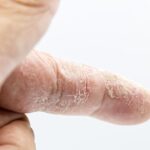
As the infestation grows, fur loss appears. This starts as thinning patches, typically on the back and shoulders. In severe cases, the skin becomes red and irritated. Small scabs may form from the scratching.
Behavioral changes occur in heavier infestations. The mouse may become restless, have trouble sleeping, or show reduced appetite. Young mice with heavy lice loads can fail to gain weight. In extreme, untreated cases, anemia can develop, though this is rare and usually limited to very young, old, or already sick animals.
Do not confuse normal grooming with scratching. Mice groom frequently. Scratching is a distinct, rapid hind-leg motion aimed at a specific spot, often repeated several times in a row. That repeated scratching is the symptom to watch for.
How To Treat Lice On Mice Safely
Treatment requires a two-part approach: treat the mouse and treat the environment. Skipping either step leads to reinfestation.
For the mouse, the most commonly recommended treatment is a topical medication prescribed by a veterinarian. Ivermectin and selamectin are the drugs most frequently used in small rodent practice. These are applied as a tiny drop on the back of the neck. They are not available over the counter for mice. A veterinarian must calculate the dose based on the mouse’s exact weight. A mouse weighs only 30 to 60 grams, so dosing errors are dangerous.
Do not use dog or cat flea and tick products on a mouse. These contain permethrin or fipronil at concentrations that are toxic to small rodents. Do not use flea shampoos, sprays, or powders marketed for other pets. There are no over-the-counter lice treatments approved for mice. The evidence is clear that these products pose a serious poisoning risk.
Some veterinarians recommend a gentle physical removal method as a supplement. A fine-toothed flea comb can remove adult lice and some nits. This is not a cure on its own, because nits are firmly attached and easily missed, but it reduces the parasite load while medication works.
Treating The Cage And Environment
Lice do not survive long off the host, but they can live for a few days in bedding and on cage surfaces. A thorough cleaning breaks the cycle.
Remove all bedding and discard it. Wash the cage and all accessories — water bottles, food bowls, wheels, hides — in hot, soapy water. Rinse thoroughly. A 10% bleach solution is effective against lice and their eggs, but it must be completely rinsed and air-dried before the mouse returns. Any trace of bleach residue is harmful to a small rodent.
Disposable items like cardboard tubes or wooden chews should be thrown away. They are porous and difficult to disinfect. Replace them with fresh ones.
Treat any other mice in the home even if they show no symptoms. A mouse with no visible signs can still carry lice. All mice in the same room should be treated at the same time to prevent one from reinfesting the others.
Vacuum the area around the cage. Dispose of the vacuum bag or empty the canister immediately. This removes any stray lice that may have hitched a ride on bedding that was carried across the room.
Can Humans Get Lice From Mice?
No. Mouse lice are host-specific. They are biologically adapted to live on mice, and they cannot survive on human blood or human skin. The same applies to other pets. Dog lice do not infect cats, and cat lice do not infect dogs.
If you develop itching after handling an infested mouse, the cause is likely something else. It could be a sensitivity to the mouse’s bedding, a different parasite, or an unrelated skin condition. Consult a doctor if the itching persists.
The confusion is understandable because the word “lice” is used for many different species. But a louse that infests a mouse cannot transfer to a person. This is a well-established biological fact, not an assumption.
When To See A Veterinarian
See a veterinarian as soon as you suspect lice. The longer the infestation continues, the more uncomfortable the mouse becomes, and the harder it is to treat secondary skin infections from scratching.
A veterinarian can confirm the diagnosis with a quick examination. They can also rule out mites, which require a different medication. The cost of an exam is modest, and the alternative — guessing and using the wrong product — carries real risk.
If your mouse is very young, very old, pregnant, or already sick, veterinary guidance is especially important. These mice are more vulnerable to both the parasite and the treatment. Do not attempt home treatment with any product not explicitly prescribed for that specific mouse.
In emergency situations — if the mouse is lethargic, not eating, or has pale gums — seek immediate veterinary care. These signs can indicate anemia from a severe infestation or an unrelated illness. Lice are treatable, but a mouse in this condition needs professional support.
Frequently Asked Questions
Can I use regular lice shampoo on my mouse?
No. Human lice shampoos contain ingredients that are toxic to mice. There is no safe over-the-counter lice treatment for mice.
How long does it take to get rid of lice on mice?
With prescription treatment, adult lice die within hours and the infestation resolves within one to two weeks. A second dose may be needed to kill newly hatched lice.
Can lice from mice live on my furniture?
Mouse lice can survive a few days off the host, but they cannot reproduce and will die without a mouse. Thorough cage cleaning and vacuuming the surrounding area is sufficient.
Do I need to treat all my mice if only one has lice?
Yes. Treat all mice in the same enclosure or room at the same time, even if they show no symptoms. They have likely been exposed already.
