
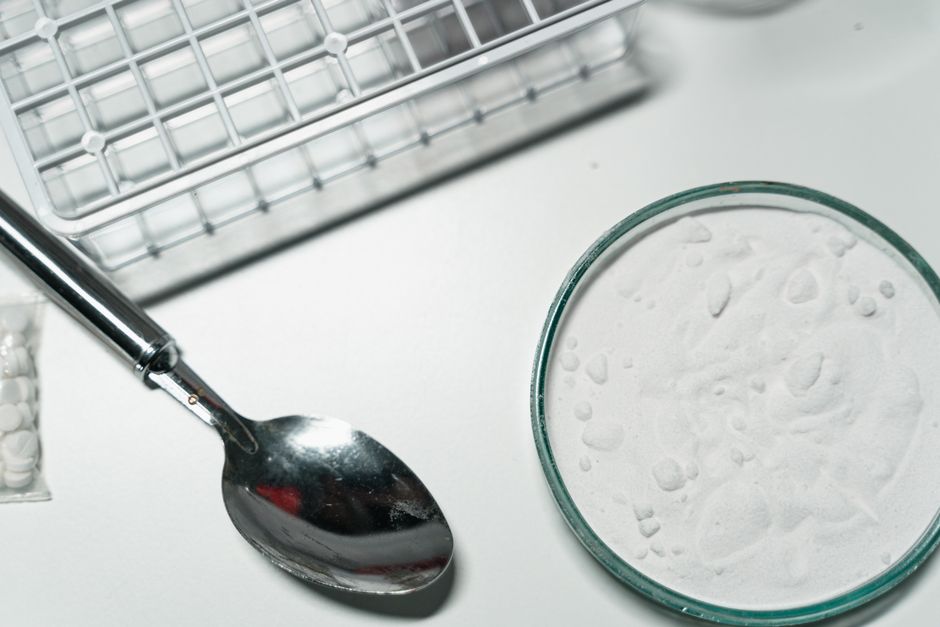
Dip powder manicures are popular because they last longer than regular polish and don’t require UV light to cure. But the question of whether they are sanitary is more complicated than a simple yes or no. The short answer is that dip powder systems are generally safe when the salon follows strict hygiene practices, but they carry real infection risks when tools and powders are shared or handled improperly. Understanding those risks and knowing what to look for can help you protect your nails and your health.
What Is Dip Powder and How Does It Work?
Dip powder is a finely milled colored powder made from acrylic resin. The process involves applying a base coat to the nail, dipping the finger into the powder, and then repeating the layers. A sealant or top coat locks everything in place. The result is a hard, durable finish that can last three to four weeks.
The key difference between dip powder and gel polish is the curing method. Gel needs UV or LED light to harden. Dip powder hardens through the chemical reaction between the base coat and the powder. This means no UV exposure, which is one reason people choose it.
But the application process itself creates the sanitation challenge. The finger goes directly into the powder jar. If the previous client had a fungal or bacterial infection, particles can linger in that powder. This is the central hygiene concern with dip powder systems.
Is Dip Powder Sanitary? The Real Risks
The biggest risk is contamination of the powder itself. When a nail tech dips a client’s finger into the shared jar, skin cells, oils, and potential pathogens can transfer into the powder. Over time, that powder becomes a shared medium for everyone who uses that jar.
Fungal infections are the most commonly reported issue. Nail fungus thrives in warm, moist environments, and a shared powder jar can be an ideal breeding ground. Bacterial infections are also possible, especially if the nail tech uses unsanitary tools or if the skin around the nail is broken during filing or cuticle care.
Some research suggests that dip powder can harbor bacteria even when salon staff believe they are following proper protocols. One study found bacterial growth in dip powder containers from salons that reported regular cleaning practices. This does not mean every salon has a problem, but it does mean the risk is real and not just theoretical.
Another concern is the dust created during the filing process. Dip powder is acrylic, and filing it creates fine particles that can be inhaled. Nail techs and clients are both exposed to this dust. Some studies have linked acrylic dust inhalation to respiratory irritation, though the long-term effects are not fully established.
How Infections Spread in Nail Salons
Infections spread in salons through several routes. The first is shared tools. Nail clippers, cuticle pushers, and files can carry blood and skin cells from one client to the next if they are not properly sterilized. The second route is the powder jar itself, as discussed above. The third route is the work surface and the salon environment.
Cuticle damage is a major entry point for infection. When a nail tech pushes back or trims cuticles, they create tiny breaks in the skin. These breaks are entry points for bacteria and fungi. If the tools are not sterile, pathogens can enter directly into the bloodstream or the nail bed.
It is also important to understand the difference between cleaning and sterilizing. Cleaning removes visible dirt. Sterilizing kills all microorganisms. Many salons clean their tools with alcohol or a disinfectant solution, but this does not achieve true sterilization. Autoclaves, which use high-pressure steam, are the gold standard for sterilizing metal tools. Not all salons have them.





How to Tell If a Salon Is Following Proper Hygiene
You can assess a salon’s hygiene practices before you sit down for a service. Watch how the nail tech handles their tools. Do they pull fresh tools from a sealed pouch or a sterilizer? Or do they reach into a drawer and grab whatever is there? This is your first clue.
Ask about their dip powder protocols. A salon that prioritizes sanitation will either use a fresh powder jar for each client or use a method that prevents direct contact between the finger and the powder. Some salons pour a small amount of powder into a separate dish for each client. This is a good sign. Others use a “pour and toss” method where the powder is never shared. If the tech dips your finger directly into a communal jar, you are being exposed to whatever is in that jar.
Check the overall cleanliness of the salon. Are the workstations wiped down between clients? Are the floors clean? Is there visible dust or debris around the nail stations? A clean salon is not a guarantee of sterile practices, but a dirty salon is a red flag.
Look at the nail tech’s own hands. Are they clean? Do they wear gloves? Gloves are not required by law in most states, but they are a strong indicator of a hygiene-conscious professional. Some states do require gloves for nail services, so check your local regulations.
What You Can Do to Protect Yourself
You have more control over your safety than you might think. The most effective step is to bring your own tools. Purchase a personal nail kit and bring it to every appointment. This eliminates the risk of shared tools entirely. Make sure your kit includes a file, buffer, cuticle pusher, and clippers.
Ask the salon to use a fresh powder jar for your service. Many salons will accommodate this request, especially if you explain your concern. If they cannot or will not, consider finding a different salon. Your nail health is not worth the risk.
Inspect your nails before and after the service. If you notice any redness, swelling, pain, or discharge in the days following your appointment, see a healthcare provider. Early treatment of nail infections is much easier than treating a fully established infection.
Avoid cutting your cuticles. The cuticle is a natural barrier against infection. Trimming it removes that barrier and creates an entry point for pathogens. If your nail tech insists on cutting your cuticles, you can politely decline and ask them to simply push them back gently.
Give your nails a break between dip powder applications. Constantly wearing dip powder can weaken the natural nail over time. The removal process, which often involves soaking in acetone, is also drying and can damage the nail plate. A break of one to two weeks between applications allows your nails to recover.
Signs of a Nail Infection to Watch For
Nail infections can develop days or even weeks after a salon visit. The signs are not always obvious at first. Watch for changes in the nail color, especially yellowing or greenish discoloration. Thickening of the nail, unusual brittleness, or a foul odor are also warning signs.
Pain, redness, or swelling around the nail bed is a sign of a bacterial infection. This is especially concerning if it appears suddenly or gets worse. If you see pus or any drainage, seek medical attention promptly.
Fungal infections are often harder to spot because they develop slowly. The nail may become discolored, thicker, and more brittle over several weeks. If you notice these changes, do not try to cover them with more polish. See a dermatologist or podiatrist for an accurate diagnosis.
Not every nail problem is an infection. Allergic reactions to the dip powder products can cause redness, itching, and swelling. This is less common than infection, but it does happen. If your symptoms appear quickly after the service and are accompanied by itching, an allergic reaction may be the cause.
Frequently Asked Questions
Can you get a fungal infection from dip powder?
Yes. Fungi can survive in shared dip powder jars and on improperly sterilized tools. If the skin around your nail is broken, the fungus can enter and cause an infection.
How often should dip powder be replaced?
Salons that follow best practices replace the powder or use a fresh container for each client. There is no industry-wide standard, so ask your salon about their specific protocol.
Is it safe to do dip powder at home?
Home dip powder kits are generally safe because you are the only person using the products. The main risks are improper application and removal, which can damage the natural nail.
What should I do if I think I have an infection from dip powder?
Stop wearing nail products and see a healthcare provider. A doctor can determine whether you have a fungal or bacterial infection and prescribe the appropriate treatment.
Dip powder manicures are not inherently unsafe. The risk comes from shared products and poor salon hygiene. By choosing a salon that takes sanitation seriously, bringing your own tools, and paying attention to your nails, you can significantly reduce your chances of developing an infection. If something feels off about a salon’s practices, trust that feeling. Your health is more important than a manicure.
