
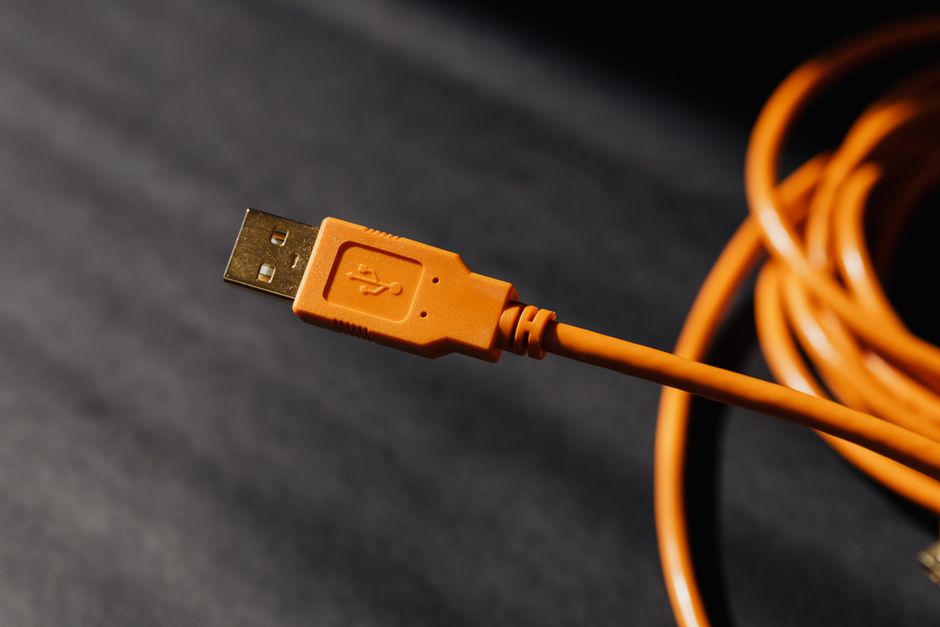
Copper is one of the best electrical conductors used in everyday wiring, and it shows up in far more places than most people realize. The wires that contain copper include the power cords on lamps and appliances, the cables inside your walls, speaker wire, network cables, and the wiring in cars and electronics. You can often identify copper wire by its reddish-brown or orange color, its soft bendable feel, and markings printed on the cable jacket. This guide explains which wires contain copper, how to tell copper from other metals, and where to look.
What Wires Have Copper In Them Types How To Identify
Most household and commercial electrical wiring uses copper because it carries current efficiently and resists corrosion. If you cut into a standard power cord or electrical cable, you will usually find copper inside.
Here are the common types of wire that contain copper:
- Household electrical cable — the non-metallic sheathed cable (often called Romex) inside walls. Each cable holds two or three insulated copper conductors plus a bare copper ground wire.
- Appliance and lamp cords — the flexible cords on toasters, lamps, and power tools contain stranded copper.
- Extension cords — almost all use stranded copper conductors.
- Speaker wire — typically two stranded copper conductors, sometimes one copper and one silver-colored (which may still be copper with tinning or a different metal).
- Network and data cables — Ethernet cables use solid or stranded copper conductors in twisted pairs.
- Coaxial cable — used for TV and internet, with a copper center conductor and copper braided shield.
- Automotive wiring — cars use copper wire throughout for power and signal circuits.
- Electronics — circuit boards, transformers, and motor windings all rely on copper.
Not every wire is copper. Some wiring uses aluminum, especially older large-gauge circuits and utility lines. Some specialty cables use silver-plated or tinned conductors. But for the vast majority of low-voltage and household wiring, copper is the standard.
How Can You Tell If a Wire Is Copper?
The most reliable way is to look at the exposed metal. Copper has a distinct reddish-orange or brown color that darkens to a green-brown patina over time when exposed to air and moisture.
Here are practical ways to identify copper wire:
- Color — fresh copper is a warm reddish-orange. Aluminum is silvery-gray. Tinned copper looks silver on the outside but is copper underneath.
- Weight — copper is denser than aluminum. A copper wire feels heavier for its size than an aluminum one.
- Bendability — copper bends smoothly and springs back slightly. Aluminum is softer and can kink or break more easily.
- Magnet test — copper is not magnetic. If a magnet sticks to the wire, it contains steel or iron, not pure copper.
- Scratch test — scratching the surface of a silver-colored wire can reveal copper underneath if it is only tinned or plated.
- Jacket markings — cable jackets often print the conductor material. Look for “CU” or “copper” on the outer sheath.
If the wire is already installed and you cannot see the metal, check the jacket printing or the manufacturer’s specifications. Never cut into live wiring to check.
Is Copper Wire Always the Best Choice?
Copper is the most widely used conductor for household and low-voltage wiring, but it is not the only option. Aluminum wiring was common in some homes built in the 1960s and 1970s, particularly for large circuits like range and dryer feeds.
Aluminum has lower conductivity than copper, so it must be larger to carry the same current. It also expands and contracts more with temperature changes, which can loosen connections over time. That is why some aluminum branch-circuit wiring has been linked to a higher risk of connection failures and overheating.
That does not mean aluminum wiring is always unsafe. Many homes with aluminum service entrance cables and large-appliance circuits operate safely. But if you have aluminum branch-circuit wiring, it is worth having a qualified electrician inspect the connections.
Copper remains the standard for most new residential wiring because of its conductivity, durability, and ease of termination. Silver is a slightly better conductor but far too expensive for general wiring. Gold is used only in tiny electronic contacts where corrosion resistance matters more than cost.





Where Is Copper Wire Commonly Found in a Home?
Copper wiring runs through almost every part of a modern home. Knowing where it is can help with repairs, renovations, and recycling.
- Electrical panel and branch circuits — the main service panel connects to copper branch circuits that feed outlets, lights, and switches.
- Outlets and switches — the wires behind them are usually copper.
- Light fixtures and ceiling fans — connected with copper wire.
- HVAC equipment — furnaces, air conditioners, and thermostats use copper wiring and copper tubing.
- Plumbing — copper pipes are not electrical wires, but they are a common source of scrap copper.
- Appliances — refrigerators, washers, and dryers contain copper wiring and motors.
- Low-voltage systems — doorbells, security systems, and landscape lighting often use copper wire.
If you are renovating, be aware that older homes may have a mix of copper and aluminum wiring. A licensed electrician can identify what you have and whether it needs updating.
Can You Identify Copper Wire Without Cutting It?
Yes, in many cases you can identify copper wire without damaging it. The outer jacket often carries printed markings that list the conductor material and gauge.
Look for text on the cable sheath such as “14/2 CU” or “12/2 with ground.” The “CU” stands for copper. If the jacket says “AL,” that indicates aluminum.
You can also check the ends of the wire where it connects to a device. If the exposed metal is visible and reddish-orange, it is likely copper. If it is silver-gray, it could be aluminum or tinned copper.
For wires inside walls or conduits, a tone generator and probe can help trace the wire, but it will not tell you the metal. The most reliable method is to check the jacket markings or consult the building plans. When in doubt, have a qualified electrician confirm.
Never rely on color alone for safety-critical decisions. Insulation color indicates function, not metal. The black, white, and green wires in a cable are all usually copper.
Why Does Copper Matter for Electrical Safety?
Copper’s electrical and physical properties make it well suited for wiring. It has low resistance, so less energy is lost as heat. It resists corrosion, which helps connections stay stable over time. It is also ductile, so it can be bent and routed without breaking.
These properties matter for safety. A conductor with higher resistance can heat up under load. Poor connections can create hot spots. That is why electrical codes specify conductor materials, sizes, and termination methods.
Copper does not eliminate risk on its own. Overloaded circuits, damaged insulation, and loose connections can cause problems regardless of the metal. Regular inspection and proper installation are what keep a system safe.
If you notice discolored outlets, burning smells, or flickering lights, treat it as a potential wiring issue and have it checked. Do not ignore these signs.
How Is Copper Wire Recycled and Why Does It Matter?
Copper is highly recyclable, and scrap copper has real value. Recycling copper reduces the need for new mining and saves energy compared to producing virgin copper.
Common sources of recyclable copper include:
- Old extension cords and power cords
- Leftover wire from electrical projects
- Plumbing pipes and fittings
- Motors, transformers, and electronics
- Appliances and HVAC equipment
Before recycling, remove any non-copper parts such as plastic insulation, steel screws, or aluminum connectors. Many scrap yards pay more for clean, bare copper than for insulated wire.
Never burn insulation off copper wire to clean it. Burning PVC insulation releases toxic fumes and is illegal in many areas. Strip it mechanically or sell it as insulated wire.
Frequently Asked Questions
How can I tell if a wire is copper or aluminum?
Copper is reddish-orange and aluminum is silvery-gray. You can also check the jacket markings for “CU” (copper) or “AL” (aluminum).
Do all electrical wires contain copper?
Most household and low-voltage wiring uses copper, but some large circuits and older branch circuits may use aluminum. Specialty cables may use tinned or plated conductors.
Is copper wire magnetic?
No, copper is not magnetic. If a magnet sticks to a wire, it contains steel or iron rather than pure copper.
Can I identify copper wire without cutting it?
Yes, check the printed markings on the cable jacket or look at the exposed metal at connection points. If the wire is hidden, a qualified electrician can confirm the material.
