
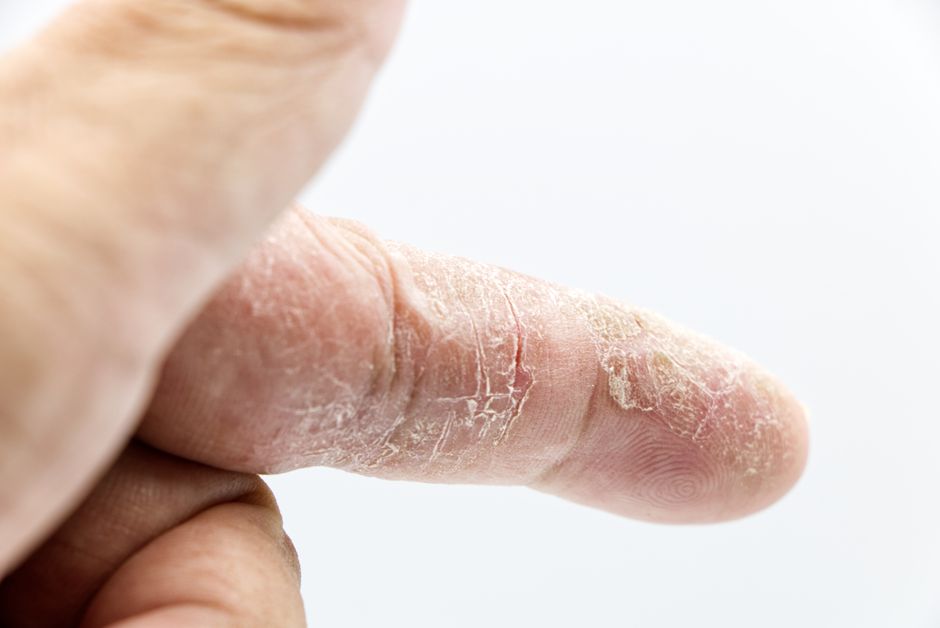
Dyshidrotic eczema is a stubborn, itchy blistering rash that shows up on the palms of your hands and the sides of your fingers, sometimes on your feet too. It is not contagious, and it is not caused by a fungus or an allergy to a specific food. The most effective treatment combines a strong topical corticosteroid applied early, aggressive moisturizing, and identifying and avoiding your personal triggers. For severe or recurring cases, dermatologists add treatments like topical calcineurin inhibitors, oral steroids, or other prescription options.
What Is Dyshidrotic Eczema and What Causes It?
Dyshidrotic eczema is a form of eczema that produces tiny, deep-seated blisters that look like tapioca pearls under the skin. The medical term is now often “pompholyx” or “dyshidrotic dermatitis.” It is not caused by excessive sweating, despite the older name suggesting a link to sweat glands.
The condition is an inflammatory skin reaction. The immune system mounts an exaggerated response in the skin of the hands and feet, causing fluid-filled vesicles to form. This is the same basic process seen in other types of eczema, just concentrated in a specific location.
Triggers vary widely between people. Commonly reported ones include:
- Stress and emotional strain
- Contact with certain metals, especially nickel and cobalt
- Fragrances, dyes, and preservatives in soaps or lotions
- Warm, humid weather or excessive sweating
- Frequent hand washing or prolonged water exposure
- Certain medications, including intravenous immunoglobulin
Some people have a genetic predisposition to eczema, and dyshidrotic eczema often appears alongside atopic dermatitis or hay fever. It is more common in adults aged 20 to 40, though it can occur at any age. Men and women are affected roughly equally.
One non-obvious point: nickel is not just in jewelry. It is in many foods, including chocolate, nuts, beans, and oatmeal. For most people with dyshidrotic eczema, dietary nickel is not the main driver. But for a small subset with a confirmed nickel sensitivity, reducing high-nickel foods sometimes helps. This is not a first-line strategy and should be discussed with a dermatologist before making major dietary changes.
How To Treat Dyshidrotic Eczema What Actually Works?
The single most effective treatment is a prescription topical corticosteroid applied at the first sign of itching or blistering. Over-the-counter hydrocortisone is generally too weak for this condition on the hands and feet, because the skin there is thicker than on the face or arms.
Dermatologists typically prescribe medium-to-high potency steroids such as triamcinolone, fluocinonide, or clobetasol. These are applied once or twice daily for a limited course, usually one to two weeks. They reduce inflammation, dry up blisters, and break the itch-scratch cycle.
Moisturizing is not optional. It is a core part of treatment. Thick, fragrance-free emollients like petrolatum or ceramide-based creams help repair the skin barrier. Apply them immediately after washing hands and after applying steroid medication. Ointments generally work better than lotions because they seal in moisture more effectively.
For severe flares, a dermatologist may prescribe:
- Oral corticosteroids like prednisone for short-term control
- Topical calcineurin inhibitors such as tacrolimus or pimecrolimus for maintenance
- Phototherapy with ultraviolet light for chronic cases
- Botulinum toxin injections for cases linked to heavy sweating
- Oral immunosuppressants like methotrexate or mycophenolate for refractory disease
- Biologic medications in selected severe cases
Not every treatment works for every person. What works well for one patient may do little for another. This is why working with a dermatologist matters more than following a generic protocol.
What Makes Dyshidrotic Eczema Worse?
Scratching and popping blisters make everything worse. It increases inflammation, can introduce bacteria, and prolongs the flare. If blisters are large and painful, a doctor can drain them sterilely, but doing it at home risks infection.
Frequent hand washing with harsh soaps strips the skin barrier. During a flare, use lukewarm water and a gentle, fragrance-free cleanser. Pat dry rather than rubbing. Apply moisturizer within a few minutes while the skin is still damp.
Contact with irritants is a major aggravating factor. Common culprits include:
- Dish soap and laundry detergent
- Shampoo and conditioner
- Cleaning products with bleach or ammonia
- Hand sanitizers with high alcohol content
- Raw meats, vegetables, and acidic fruits
Wearing cotton-lined gloves for wet work and for handling irritants helps. For some people, wearing gloves makes sweating worse and triggers a flare, so trial and error is needed.
Stress is a well-recognized trigger, though the mechanism is not fully understood. It likely involves stress hormones amplifying the immune response. Stress reduction techniques do not cure the condition, but some patients report fewer flares when they manage stress consistently.





Are There Home Remedies That Help?
Some home measures have reasonable supporting evidence, while others are purely anecdotal. It is worth being honest about which is which.
Cool compresses can reduce itching and soothe inflamed skin. This is low-risk and widely recommended by dermatologists.
Oatmeal baths are often suggested for eczema. Colloidal oatmeal has been shown in some studies to have anti-inflammatory and barrier-repair properties. For hand and foot eczema, soaking in cool water with colloidal oatmeal may provide temporary relief.
Diluted bleach baths are sometimes recommended for people with recurrent skin infections. The evidence for bleach baths in eczema comes mainly from studies on atopic dermatitis, not specifically dyshidrotic eczema. Some dermatologists recommend them, but they should be used only under medical guidance and never on broken or severely inflamed skin.
Apple cider vinegar soaks are popular online. There is no clinical evidence supporting this for dyshidrotic eczema. Vinegar is acidic and can irritate already damaged skin. It is not recommended.
Essential oils like tea tree or lavender are frequently promoted. Some have antimicrobial properties in lab studies. But they can also cause allergic contact dermatitis, which would make the condition worse. No clinical trials support essential oils as a treatment for dyshidrotic eczema.
If a remedy has no evidence and carries a risk of irritation, it is not worth trying. Stick to approaches that are either well-established or at least low-risk and recommended by a doctor.
When Should You See a Dermatologist?
See a doctor if the rash is widespread, painful, or not improving after a week or two of consistent moisturizing and over-the-counter treatment. Also seek care if you see signs of infection: increased redness, warmth, swelling, pus, or fever.
Dyshidrotic eczema can be mistaken for other conditions. Contact dermatitis, fungal infections like tinea manuum, and psoriasis of the palms can look similar. A dermatologist can usually tell the difference by examination, and sometimes with a skin scraping or patch testing.
Patch testing is particularly useful if a contact allergy is suspected. It involves applying small amounts of common allergens to the back and checking for reactions over a few days. Identifying a specific allergen can lead to targeted avoidance and significant improvement.
For people with frequent flares, a dermatologist can create a long-term plan that includes maintenance therapy, trigger avoidance, and a strategy for catching flares early. Early treatment is consistently more effective than waiting for a flare to worsen.
What Is the Long-Term Outlook?
Dyshidrotic eczema is a chronic condition for many people. It tends to come and go, with flares lasting weeks and then clearing. Some people have only one or two episodes in their lifetime. Others deal with recurring flares for years.
The condition is not curable, but it is manageable. Most people can reduce the frequency and severity of flares by identifying triggers, maintaining a consistent skin care routine, and treating early.
Over time, repeated flares can cause the skin to thicken and develop cracks. This is called lichenification. It makes the skin more vulnerable to infection and can be uncomfortable. Consistent treatment and moisturizing help prevent this.
Some research suggests that dyshidrotic eczema may improve with age in certain individuals, but this is not universal. The evidence on long-term remission rates is limited. What is clear is that good management makes a meaningful difference in quality of life.
Frequently Asked Questions
Is dyshidrotic eczema contagious?
No. Dyshidrotic eczema is an inflammatory skin condition, not an infection. You cannot catch it from someone else or pass it to others.
Can I pop the blisters?
No. Popping blisters increases the risk of infection and can worsen inflammation. If blisters are large and painful, a doctor can drain them safely.
What is the fastest way to clear a flare?
A prescription topical corticosteroid applied at the first sign of a flare is the fastest reliable treatment. Over-the-counter hydrocortisone is generally too weak for hand and foot eczema.
Does diet affect dyshidrotic eczema?
For most people, diet is not a major trigger. A small subset with confirmed nickel sensitivity may benefit from reducing high-nickel foods, but this should be discussed with a dermatologist first.
