

You wake up with an itchy welt on your ankle and no idea what made it. Or you spot a small brown insect on the kitchen counter and wonder if it warrants a call to an exterminator. Identifying a bug comes down to three practical methods: examining the insect’s body shape and features, reading the pattern and location of bites on your skin, and using a phone-based identification app to narrow down the possibilities. Each method has real strengths and real limits.
No single approach is perfect. A photo app can misidentify a harmless beetle as a bed bug. A bite pattern can look identical whether it came from a mosquito or a spider. The most reliable results come from combining all three methods and knowing when to stop guessing and call a professional.
How To Identify A Bug By Looks Bites And Apps
Start with the insect itself if you can see it. Body shape, leg count, wing presence, and color are the most dependable visual clues. Insects have six legs. Arachnids — spiders, ticks, mites — have eight. That single difference eliminates half the possibilities immediately.
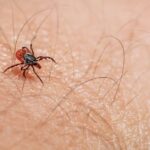
Bed bugs are flat, oval, reddish-brown, and roughly the size of an apple seed. They cannot fly. Cockroaches have long antennae and a flattened, oval body that is usually much larger. Fleas are tiny, dark, and laterally flattened — they look narrow from above but tall from the side. Ticks are also eight-legged but have a teardrop shape and cannot jump.
Size matters less than people think. A newly hatched bed bug is about the size of a poppy seed and nearly transparent. Many people mistake it for carpet debris. Immature cockroaches look like small adults but lack wings. Knowing what a bug looks like at every life stage matters for accurate identification.
Phone apps use image recognition to compare your photo against a database. They work best with a clear, well-lit, close-up image on a plain background. They work poorly with blurry photos, poor lighting, or insects photographed from an angle that hides key features. No app is 100 percent accurate, and some are better at certain insect groups than others. Treat app results as a starting point, not a final answer.
What Do Common Bug Bites Look Like?
Most insect bites cause a red, raised, itchy bump within minutes to hours. The specific appearance depends on the insect and on how your immune system reacts. Some people have almost no reaction. Others develop large welts from the same bite.
Mosquito bites typically appear as soft, pinkish wheals that itch intensely and fade within a day or two. Flea bites tend to cluster around the ankles and lower legs — often three or four bites in a rough line. Bed bug bites are commonly described as appearing in lines or small clusters, though this pattern is not universal and not a reliable standalone diagnostic sign.
Spider bites are harder to pin down. Most are mild and look like a small red bump. A few species in the United States can cause more serious reactions, but confirmed spider bite diagnoses are rare because people seldom see the spider bite them. What looks like a spider bite is often a minor skin infection or an allergic reaction to something else.
Tick bites are usually painless and may leave a small red bump. The rash associated with Lyme disease — erythema migrans — often expands over days into a bullseye pattern, though not everyone develops the classic ring. If you find an attached tick or notice an expanding rash, contact a healthcare provider. Early treatment matters for tick-borne illness.
Here is a comparison of common bite appearances:
| Bug | Typical Bite Appearance | Common Location |
|---|---|---|
| Mosquito | Pink, raised, itchy wheal | Any exposed skin |
| Flea | Small red bumps, often in clusters or lines | Ankles, lower legs |
| Bed bug | Red, itchy welts; sometimes in lines | Any skin exposed during sleep |
| Tick | Small bump; may expand into a rash | Wherever the tick attached |
| Spider | Variable; usually a single red bump | Anywhere |
A single bite or a few scattered bumps rarely tells you much. Pattern alone cannot confirm a specific insect. The bite is a clue, not proof.
Can You Identify a Bug From Bites Alone?
No. Bite appearance alone cannot reliably identify a specific insect. This is one of the most common misconceptions in consumer health information.
Many bites produce identical immune responses. Your body releases histamine in response to saliva or venom proteins, and that histamine creates the redness, swelling, and itch regardless of what bit you. Two people bitten by the same mosquito may have completely different reactions. One person might develop a large welt while another has nothing visible.
What bites can tell you is limited but useful. Location matters. Bites concentrated on the ankles suggest fleas or ground-level insects. Bites on skin exposed during sleep — arms, neck, face — raise the possibility of bed bugs. Bites in a line or cluster are sometimes associated with bed bugs or fleas, but mosquitoes and other insects can also bite multiple times in one area.
Timing helps too. Daytime bites point toward mosquitoes, flies, or chiggers. Nighttime bites could be bed bugs, but also mosquitoes if you sleep with a window open.
If bites keep appearing over days or weeks, that suggests an ongoing infestation rather than a one-time encounter. In that case, inspect your sleeping area and furniture for signs of insects — shed skins, tiny dark spots, or live bugs.




How Accurate Are Bug Identification Apps?
Accuracy varies widely. Some apps perform well on common insects like mosquitoes, ticks, and bed bugs when given a clear photo. Others struggle with less common species or with insects photographed at odd angles.
Research on image-based insect identification apps has found that accuracy drops significantly when photos are blurry or taken from too far away. Apps trained on large datasets tend to perform better than those with smaller reference libraries. But even the best apps can confuse similar-looking species.
Bed bugs and bat bugs, for example, look nearly identical to the naked eye. Distinguishing them requires a microscope and expertise. An app might confidently identify a bat bug as a bed bug, leading to unnecessary treatment. The reverse error — missing a real bed bug infestation — is also possible.
Use apps as a first filter. If an app identifies your insect as something concerning, verify with a second source — a pest control professional, your state extension service, or a university entomology department. Many extension services offer free or low-cost insect identification.
When Should You Call a Professional?
Call a professional when you find live insects in your home, when bites continue over multiple days, or when you cannot confidently identify what you are dealing with.
Bed bugs are the clearest case. Do-it-yourself treatments rarely eliminate an infestation completely. Bed bugs hide in cracks, behind baseboards, inside mattress seams, and in electrical outlets. Over-the-counter sprays may scatter them into other rooms rather than kill them. A licensed pest control operator has access to treatments and knowledge that consumer products cannot match.
Cockroaches also warrant professional help, especially in multi-unit buildings. A single visible cockroach often means many more are hidden. Cockroach allergens can trigger asthma symptoms, particularly in children, so prompt treatment matters.
For a single mosquito bite or a lone flea, professional help is not necessary. But if you are seeing multiple bites each morning, or if you spot insects in your bed, act quickly. Early intervention reduces the scope and cost of treatment.
If you develop signs of infection around a bite — increasing redness, warmth, swelling, pus, or fever — see a healthcare provider. Some bites can become infected when scratched, and tick-borne illnesses require medical treatment.
What Tools Actually Help With Identification?
A few simple tools improve accuracy more than any app.
- A magnifying glass or a phone camera with a macro lens reveals details invisible to the naked eye.
- A white sheet or paper under furniture makes it easier to spot tiny insects and debris.
- A flashlight helps inspect dark cracks, seams, and crevices where insects hide.
- Double-sided tape placed along baseboards can catch insects for closer examination.
- A small jar or plastic bag lets you capture a specimen for a professional to identify.
Good lighting is underrated. Many insects look completely different under bright, direct light compared to dim or indirect light. Color and surface texture become much clearer. If you are photographing a bug for an app or for an expert, natural daylight works best.
Keep a record. Note where you found the insect, what time of day, and whether you have seen more than one. This information helps professionals narrow down the species faster than a photo alone.
Frequently Asked Questions
Can a phone app really identify bed bugs accurately?
Apps can identify bed bugs from clear photos, but they sometimes confuse them with similar-looking insects like bat bugs. Always confirm with a pest professional before treating.
What do bed bug bites look like compared to mosquito bites?
Bed bug bites and mosquito bites both cause red, itchy welts that can look nearly identical. The main difference is timing and location — bed bug bites typically appear after sleeping, while mosquito bites can happen anytime.
Do all bug bites itch?
No. Tick bites are usually painless and may not itch at all. Some spider bites cause pain rather than itch. The reaction depends on the insect and your individual immune response.
When should I see a doctor for a bug bite?
See a doctor if you notice spreading redness, swelling, pus, fever, or a bullseye-shaped rash. These signs may indicate infection or a tick-borne illness that needs treatment.
